

Pet Travel Calculator
Calculate the total cost of traveling with your pet including airline fees, accommodation, and international travel requirements.
Use CalculatorConvert your bird's age to human years with species-specific results. Includes parrots, canaries, cockatiels, and more with a full age chart.
Enter the details requested in Bird Age Calculator, then review the estimate as a practical starting point for the decision you are making.
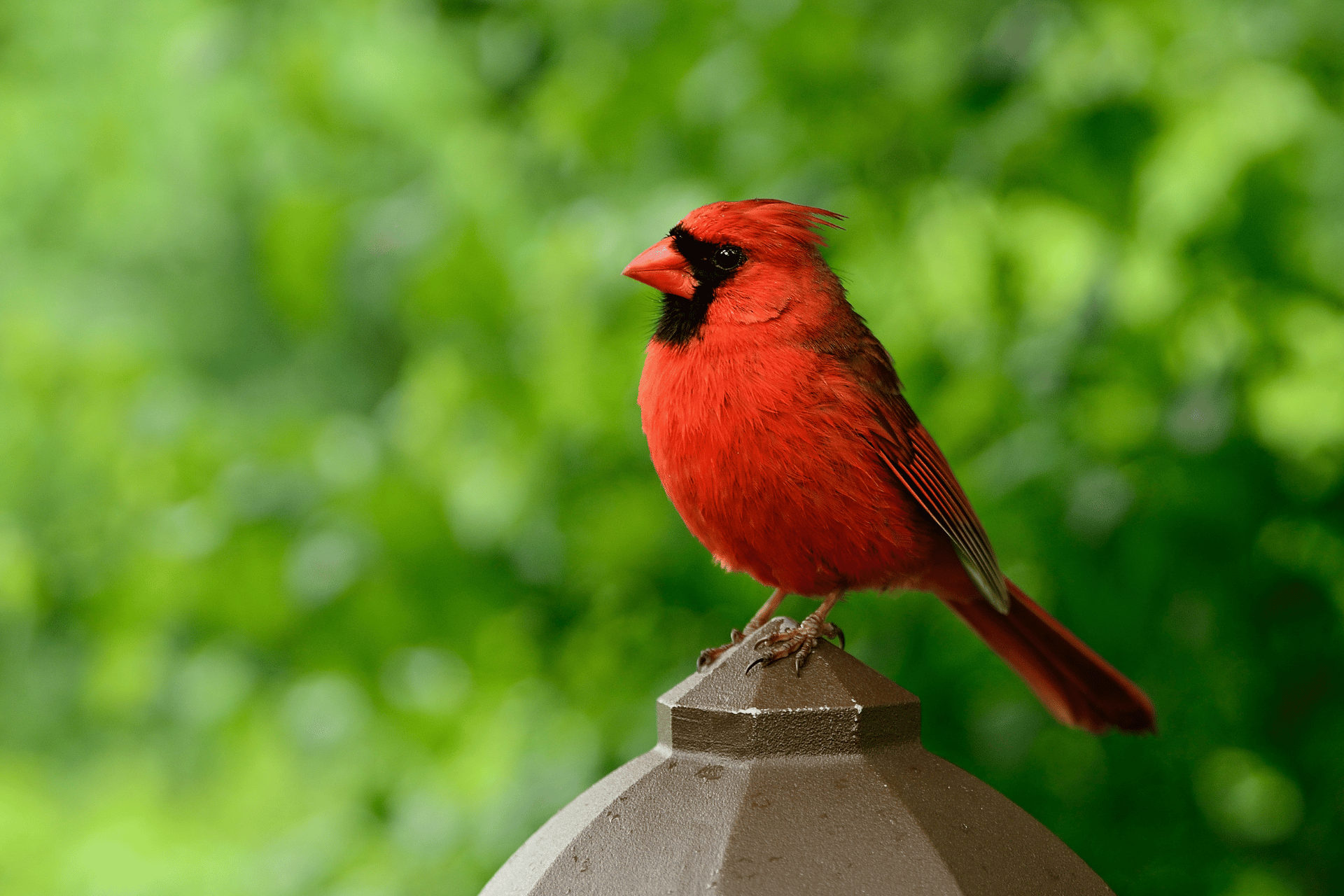
Birds age very differently from mammals, and the rate of aging varies dramatically between species. A 5-year-old cockatiel is not comparable to a 5-year-old macaw in terms of life stage. The Bird Age Calculator converts your bird's actual age into an approximate human-equivalent age, helping you understand where your feathered companion sits in their life journey and what health and behavioral changes to expect.
Understanding your bird's age in human-equivalent years helps you make better decisions about diet, veterinary care, enrichment, and end-of-life planning. It also provides context when comparing your bird's behavior to developmental milestones.
Birds have fundamentally different aging biology. Smaller birds like budgerigars and canaries have faster metabolisms, age quickly, and have shorter lifespans, while large parrots like macaws can outlive their owners. The size-lifespan relationship in birds is actually the reverse of mammals: larger birds tend to live longer, not shorter.
This is partly due to birds' efficient DNA repair mechanisms, lower oxidative stress from their high-efficiency respiratory systems, and in many species, a slower rate of telomere shortening compared to same-sized mammals.
The following table provides approximate human-equivalent age conversions for popular pet bird species. These are estimates based on typical lifespans and developmental milestones for each species.
| Bird Age | Budgerigar | Cockatiel | African Grey Parrot | Macaw (Large) | Canary | Cockatoo |
|---|---|---|---|---|---|---|
| 1 year | 12 years | 8 years | 5 years | 3 years | 14 years | 6 years |
| 2 years | 22 years | 15 years | 9 years | 6 years | 26 years | 11 years |
| 5 years | 45 years | 35 years | 20 years | 14 years | 55 years | 25 years |
| 10 years | 72 years | 60 years | 38 years | 27 years | 80 years | 45 years |
| 15 years | 90 years | 78 years | 55 years | 40 years | 95 years | 62 years |
| 20 years | - | 92 years | 70 years | 53 years | - | 78 years |
| 30 years | - | - | 90 years | 75 years | - | 95 years |
| 50 years | - | - | - | 95 years | - | - |
Use the table below to compare Average Lifespan by Bird Species.
| Species | Average Lifespan (Captivity) | Maximum Recorded Lifespan | Life Stage Category |
|---|---|---|---|
| Budgerigar (Budgie) | 5-10 years | 21 years | Short-lived small bird |
| Canary | 10-15 years | 24 years | Short-lived small bird |
| Lovebird | 10-15 years | 25 years | Short-lived small bird |
| Cockatiel | 15-25 years | 36 years | Medium-lived bird |
| Conure (Sun/Green Cheek) | 15-30 years | 35 years | Medium-lived bird |
| Amazon Parrot | 40-70 years | 100+ years | Long-lived large bird |
| African Grey Parrot | 40-60 years | 80 years | Long-lived large bird |
| Cockatoo | 40-70 years | 100 years | Long-lived large bird |
| Macaw (Blue/Gold) | 50-70 years | 100+ years | Long-lived large bird |
| Eclectus Parrot | 30-50 years | 65 years | Long-lived large bird |
The chick stage covers hatching through fledging. Birds are entirely dependent on parents or hand-feeders during this phase. This is the critical imprinting window for parrots. Handling during this stage shapes social behavior and bonding.
Juvenile birds are learning to fly, forage, vocalize, and interact socially. Parrots in the juvenile stage are highly trainable. Behavioral foundation set during this period largely determines adult temperament.
Similar to human teenage years, adolescent birds can display increased hormonal behavior, bluffing, screaming, or biting. This stage is temporary but can catch unprepared owners off guard. Consistent boundaries and routine help.
Adult birds are at their behavioral prime. Larger parrots may not reach full emotional and social maturity until 5-7 years. This is the longest life stage for most birds.
Senior birds may show reduced activity, changes in feather quality, decreased appetite, and potential onset of age-related conditions like arthritis, lipomas, cataracts, and kidney disease. More frequent vet checks are recommended.
If you adopted a bird without documented history, several signs can give clues:
Use the table below to compare How Aging Affects Bird Care Needs.
| Life Stage | Diet Needs | Exercise/Enrichment | Vet Care Frequency | Key Health Watch |
|---|---|---|---|---|
| Chick/Juvenile | High protein, frequent feeding | Stimulating toys, socialization | Initial checkup + banding | Weight gain, fledgling health |
| Adolescent | Balanced pelleted + fresh foods | High activity, foraging | Annual exam | Hormonal behavior, feather plucking |
| Adult | Species-appropriate balanced diet | Daily out-of-cage time | Annual exam | Weight, feather condition, behavior changes |
| Senior | Softer foods, easily digestible | Gentle activity, lower perches | Every 6 months | Arthritis, kidney disease, tumors |
Divide your bird's lifespan expectancy into human life stages proportionally. For a cockatiel with a 20-year lifespan, each bird year roughly equals 3.5-4 human years in mid-life, though early years count more. Our calculator handles this automatically with species-specific formulas.
Yes. Macaws, cockatoos, and Amazon parrots routinely live 50-70 years in captivity. This is why responsible large-parrot ownership includes estate planning and designating a caretaker in your will.
Yes, an 8-year-old budgerigar is elderly. The average budgie lifespan is 5-10 years, with exceptional individuals reaching 15-20. An 8-year-old budgie is equivalent to roughly a 65-75 year old human and should receive senior-level veterinary care.
Captivity typically extends lifespan significantly compared to wild counterparts because it removes predation risk, food scarcity, and weather exposure. However, poor diet, stress, lack of enrichment, and inadequate veterinary care can dramatically shorten captive lifespans.
This varies by species. Budgies may show senior changes at 6 years, cockatiels at 15, and large macaws not until 30-40 years. Use the species-specific life stage chart above as your guide.
Note: Bird age comparisons are general estimates because lifespan and ageing vary widely by species.
Continue with Pet Travel Calculator, Pet Medical Treatment Cost Calculator, Pet Name Generator for the next practical step.
Calculate the total cost of traveling with your pet including airline fees, accommodation, and international travel requirements.
Use Calculator
Estimate vet procedure costs for dogs and cats. Compare routine and emergency visit prices by type and plan your pet healthcare budget.
Use Calculator
Generate unique and creative names for dogs, cats, and more. Filter by theme, personality, or starting letter to find the perfect pet name.
Generate Names