
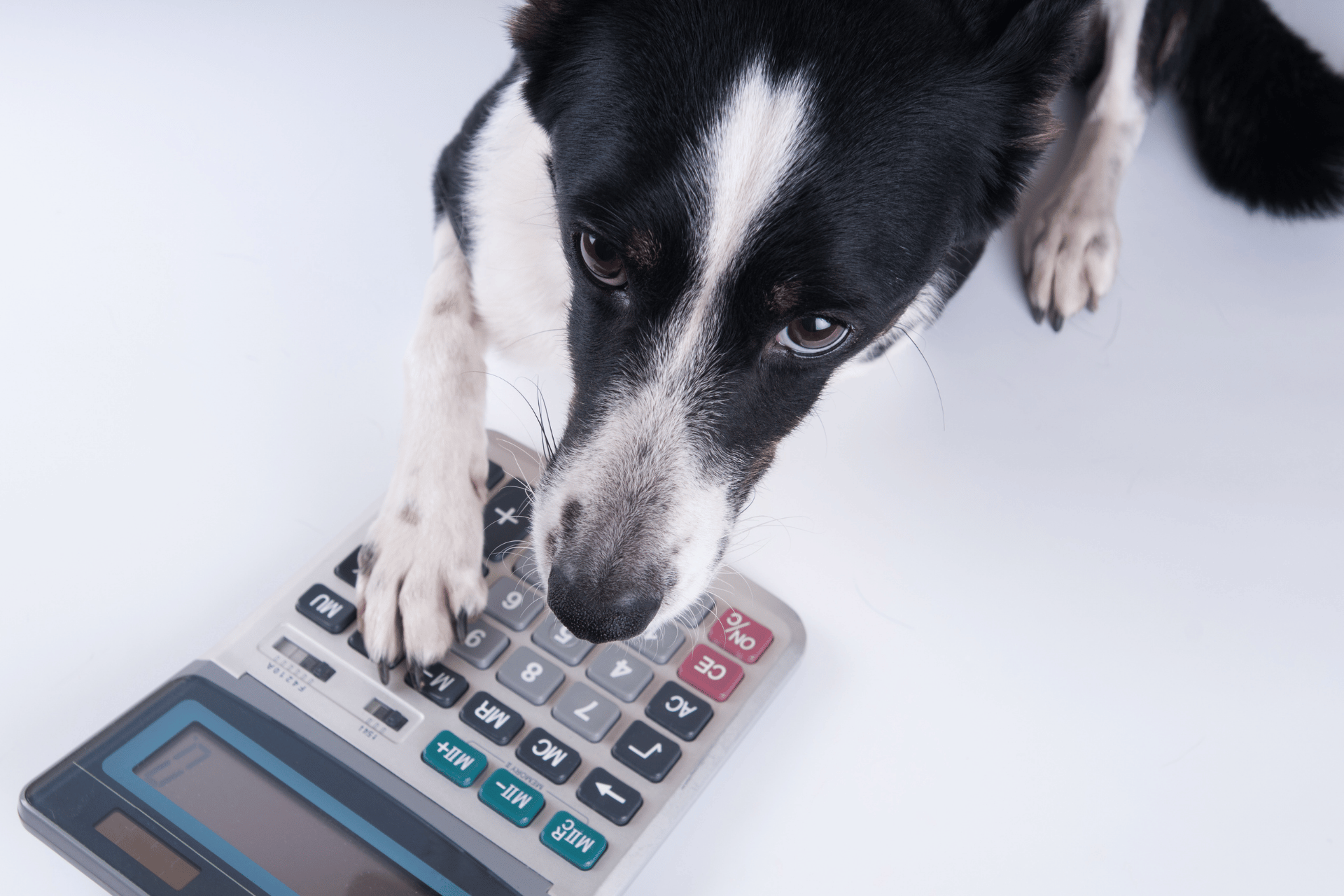
Dog Age Calculator & Converter
Convert your dog's age to human years using breed-size-aware formulas. More accurate than the old 'multiply by 7' rule. Fast, free, and science-backed.
Use ConverterEstimate your dog's life expectancy based on breed, size, and lifestyle factors. Includes a breed comparison chart and tips to extend your dog's healthy years.
Enter current age, body condition score, and the closest option in Dog Life Expectancy Calculator. Review the estimate together with the assumptions shown in the result.

Understanding your dog's expected lifespan and what factors most influence longevity helps you make better decisions about their care, anticipate life stage transitions, and cherish the years you have together. The Dog Life Expectancy Calculator combines breed, size, lifestyle, and care factors to generate a personalized lifespan estimate, adjusted for known risk factors and protective factors.
Use the table below to compare Average Lifespan by Breed Size.
| Size Category | Weight Range | Average Lifespan | Range | Why Smaller Dogs Live Longer |
|---|---|---|---|---|
| Toy | Under 10 lbs | 14-16 years | 12-20 years | Lower IGF-1; slower cellular aging; less cardiovascular strain |
| Small | 10-25 lbs | 13-15 years | 12-18 years | Similar to toy; some exceptions (Jack Russell often reaches 16-18) |
| Medium | 25-50 lbs | 11-13 years | 10-15 years | Moderate aging rate |
| Large | 50-90 lbs | 10-12 years | 9-14 years | Faster cellular aging correlates with larger body size in dogs |
| Giant | 90+ lbs | 7-10 years | 6-12 years | Rapid growth, high IGF-1, faster cellular aging; cancer risk highest |
Use the table below to compare Longest and Shortest Lived Breeds.
| Breed | Average Lifespan | Key Factors |
|---|---|---|
| Chihuahua | 14-20 years | Tiny size; minimal genetic disease in well-bred lines |
| Jack Russell Terrier | 13-18 years | Robust health; active lifestyle; minimal breed-specific disease |
| Australian Cattle Dog | 12-16 years | Working breed fitness; Bluey holds the all-time canine longevity record at 29 years |
| Toy Poodle | 14-18 years | Minimal breed-specific disease; good genetic diversity possible |
| Irish Wolfhound | 6-8 years | Giant size; dilated cardiomyopathy; osteosarcoma risk |
| Great Dane | 7-10 years | Giant size; bloat risk; cardiac disease |
| Bernese Mountain Dog | 6-9 years | Very high cancer prevalence; histiocytic sarcoma |
| Neapolitan Mastiff | 7-9 years | Giant size; orthopedic stress; heat sensitivity |
Use the table below to compare Factors That Extend or Shorten Dog Lifespan.
| Factor | Effect on Lifespan | Evidence Strength |
|---|---|---|
| Spay/neuter (female) | Eliminates pyometra and mammary cancer risk; may extend by 1-4 years | Strong |
| Spay/neuter (male) | Eliminates testicular cancer; mixed evidence on other cancers and orthopedic effects | Moderate |
| Lean body weight | Ideal BCS dogs live 1.8-2.5 years longer than overweight peers (Purina study) | Strong |
| Preventive vet care | Early disease detection extends survival across most conditions | Strong |
| Dental care | Periodontal disease linked to cardiac and kidney disease | Moderate |
| Indoor vs outdoor living | Outdoor dogs face higher trauma, toxin, and disease exposure | Strong |
| Physical activity | Moderate regular exercise associated with longer survival; excessive high-impact exercise in growing dogs associated with joint disease | Moderate |
| High-quality diet | Association with longer lifespan in large cohort studies; mechanism unclear | Moderate |
| Chronic stress | Associated with shortened telomeres and earlier aging | Moderate (emerging research) |
Use the table below to compare Breed-Specific Lifespan Records.
| Species Record | Age | Breed | Notes |
|---|---|---|---|
| Oldest verified dog ever | 29 years, 5 months | Australian Cattle Dog (Bluey) | Record set in Australia; died 1939 |
| Oldest living dog (2024) | ~21 years | Bobi - mixed breed, Portugal | Record contested by some registries |
| Oldest large breed dog | Approx. 21 years | Australian Cattle Dog mix | Large breed longevity records are exceptional outliers |
Activity level is a positive prognostic sign, but does not change population-level breed statistics significantly. A healthy, active 10-year-old Labrador is likely in the top quartile of their breed for longevity and may well exceed the average. Continue preventive care to maximize their remaining healthy years.
No study has definitively shown that one commercial diet brand extends lifespan over another when both are nutritionally complete. What matters is meeting caloric needs appropriately, maintaining ideal body weight, and providing adequate nutrition for the life stage. Avoiding obesity is the single most impactful dietary longevity intervention.
Yes. The Dog Aging Project has identified several promising associations including a link between rapamycin (an mTOR inhibitor used in human transplant medicine) and improved cardiac function and longevity in older dogs. Human-dog caloric restriction parallels and exercise associations are also being quantified. The project continues to publish findings; check dogagingproject.org for current results.
Note: Lifespan calculators show general ranges, not a prediction for an individual dog.
Continue with Dog Age Calculator & Converter, Canine Life Stage Calculator, Dog Quality of Life Calculator for the next practical step.
Convert your dog's age to human years using breed-size-aware formulas. More accurate than the old 'multiply by 7' rule. Fast, free, and science-backed.
Use Converter
Find out what life stage your dog is in based on age and breed size. Understand care needs, nutrition shifts, and vet screening for each stage.
Use Calculator
Use our free HHHHHMM quality of life calculator to assess your dog's comfort and wellbeing. Get a clear score to guide end-of-life care decisions.
Start Assessment