
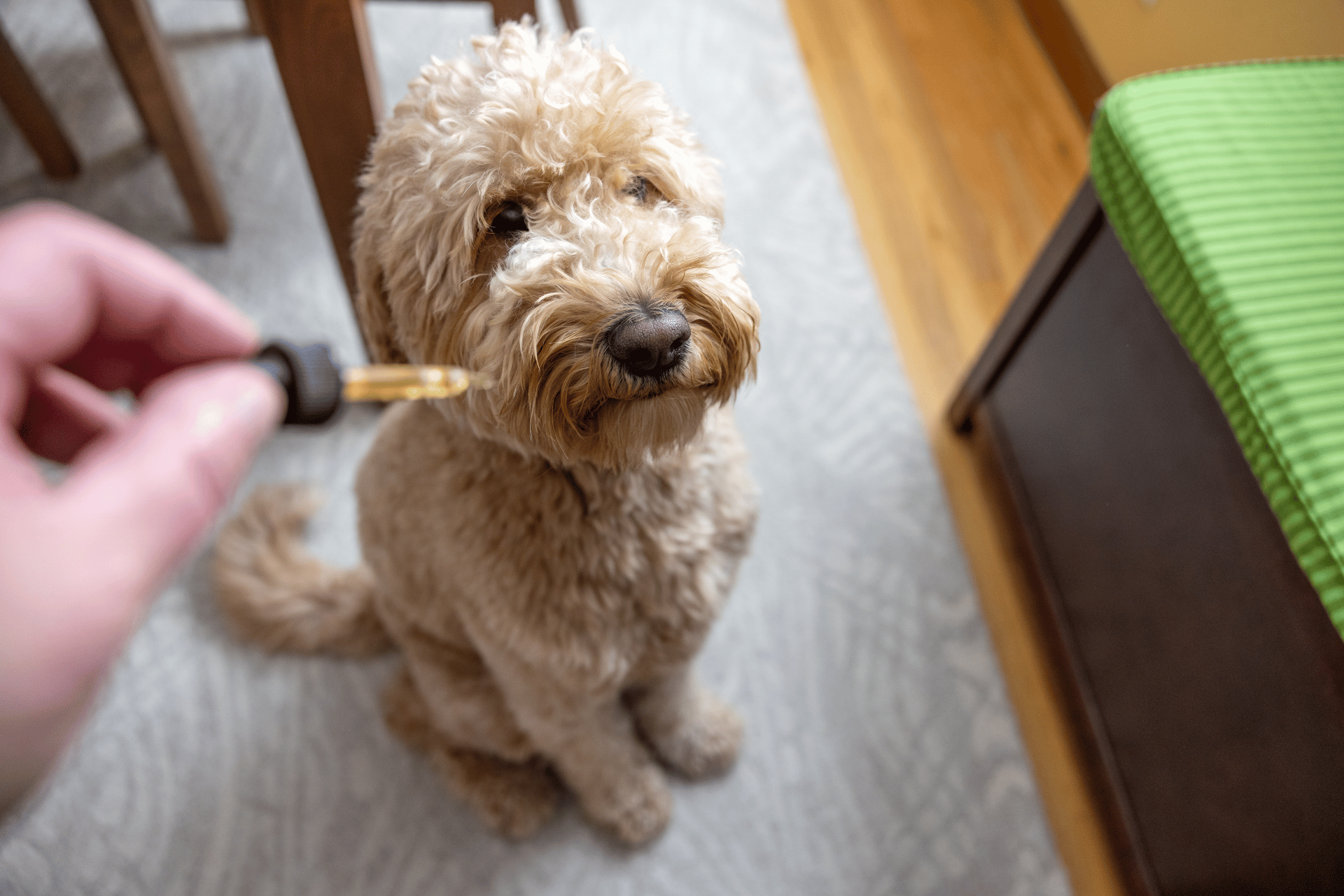
CBD Dosage Calculator for Pets
Calculate the right CBD dose for your dog by weight and condition. Covers anxiety, pain, and seizures with a step-up dosing guide and product tips.
Use CalculatorOrganize your dog's weight, medication concentration, and reference details before confirming use with a veterinarian. The supporting charts are for dose-planning context, not an instruction to give a medicine.
Enter dog weight in kg, medication concentration from the label in mg per ml, and the closest option in Dog Medication Calculator: Safe Dosage Charts. Review the estimate together with the assumptions shown in the result.
Medication references are often weight-based, which is why accurate body weight and product concentration matter. This page keeps researched charts available for context while the form helps organize details for veterinarian review. Medication decisions also depend on the exact drug, diagnosis, age, health history, other medicines, and whether the product was prescribed for the individual dog.
Many human medications can be dangerous to dogs. Use this page to organize questions, not choose a medicine to give at home. Products with acetaminophen, ibuprofen, naproxen, pseudoephedrine, xylitol, or grape-derived ingredients require veterinary guidance because the exact product, amount, formulation, and dog history matter.
Use the table below to review Common Over-the-Counter Medications: Canine Dosing Reference with a veterinarian. The researched figures are reference context, not an instruction to give a medicine at home.
| Medication | Canine Use | Dose | Frequency | Reference Duration | Cautions |
|---|---|---|---|---|---|
| Diphenhydramine (Benadryl plain) | Allergic reactions, mild anxiety, motion sickness | 1 mg/kg | Every 8 hours | 3-5 days | Avoid formulations with xylitol or decongestants; causes sedation |
| Famotidine (Pepcid AC) | Stomach acid reduction, nausea, gastritis | 0.5-1 mg/kg | Every 12-24 hours | 5 days | Plain formulation only; veterinarian confirmation still matters |
| Omeprazole (Prilosec) | Gastric ulcers, esophagitis | 0.7-1 mg/kg | Once daily | 7 days | Delayed-release capsule; do not crush |
| Cerenia (maropitant) OTC in some regions | Vomiting, motion sickness | 2 mg/kg (motion sickness) | Once daily | 2 days (motion sickness use) | Prescription in US; OTC in some countries |
| Aspirin (use with extreme caution) | Short-term mild pain - NOT recommended for regular use | 10 mg/kg | Every 12 hours with food | Not recommended without vet guidance | High GI ulceration risk; avoid if dog on any other NSAID or steroid |
Use the table below to review Veterinary NSAID Dosing Reference (Prescription Only) with a veterinarian. The researched figures are reference context, not an instruction to give a medicine at home.
| Drug | Dose | Frequency | Food Requirement | Key Monitoring |
|---|---|---|---|---|
| Carprofen (Rimadyl) | 2.2 mg/kg | Every 12 hours OR 4.4 mg/kg once daily | With food | Liver enzymes every 6 months; stop if vomiting, jaundice, or black stools |
| Meloxicam (Metacam) | 0.2 mg/kg on day 1 | 0.1 mg/kg once daily thereafter | With food | Kidney and liver function; avoid in dehydrated dogs |
| Galliprant (grapiprant) | 2 mg/kg | Once daily | With or without food | Newer EP4 receptor antagonist; GI side effects possible |
| Deracoxib (Deramaxx) | 1-2 mg/kg | Once daily | With food | Same monitoring as carprofen |
Use the table below to review Antiparasitic Dosing Reference with a veterinarian. The researched figures are reference context, not an instruction to give a medicine at home.
| Drug | Target | Dose | Notes |
|---|---|---|---|
| Fenbendazole (Panacur) | Roundworms, hookworms, whipworms, giardia | 50 mg/kg | Once daily for 3 days; repeat at 2-3 weeks |
| Pyrantel pamoate | Roundworms, hookworms | 5 mg/kg | Single dose; repeat at 2-3 weeks |
| Milbemycin oxime (Interceptor) | Heartworm prevention, roundworms, hookworms | 0.5 mg/kg minimum | Monthly prevention |
| Ivermectin (AVOID in sensitive breeds) | Heartworm prevention, some mites | 6-12 mcg/kg (heartworm prevention dose only) | DO NOT use higher doses without vet supervision; toxic in MDR1/ABCB1 mutation breeds |
The MDR1 (ABCB1) gene mutation causes extreme sensitivity to certain drugs, including ivermectin, loperamide (Imodium), acepromazine, vincristine, and others. Dogs with this mutation can have fatal reactions to doses safe in other breeds.
| Breed | MDR1 Mutation Prevalence |
|---|---|
| Collie (Rough and Smooth) | ~70% affected |
| Australian Shepherd | ~50% affected |
| Shetland Sheepdog (Sheltie) | ~15% affected |
| Border Collie | ~5% affected |
| McNab Shepherd | ~30% affected |
| Silken Windhound | ~30% affected |
Test your herding breed dog for MDR1 before administering any affected medications: Washington State University Veterinary Clinical Pharmacology Lab offers testing at vcpl.vetmed.wsu.edu.
Absolutely not. Ibuprofen (Advil, Motrin) and naproxen (Aleve) cause severe gastrointestinal ulceration and acute kidney failure in dogs. Even a single tablet can be life-threatening for a small dog. Never give human NSAIDs to dogs. Use veterinary-approved NSAIDs only.
Plain diphenhydramine (Benadryl) has mild sedative properties but is not an analgesic. Cold packs applied briefly to an injured area can reduce acute swelling. Aspirin is sometimes used but carries significant risks and should only be considered as a very temporary last resort. Always seek veterinary care as soon as possible for pain management.
Note: Medication amounts depend on the exact drug, concentration, health history, age, and other medicines. Confirm medication use with a veterinarian before giving anything new.
Continue with CBD Dosage Calculator for Pets, CBD Dosage Calculator: Dosage for Cats and Dogs, Dog Supplement Dosage Calculator by Weight for the next practical step.
Calculate the right CBD dose for your dog by weight and condition. Covers anxiety, pain, and seizures with a step-up dosing guide and product tips.
Use Calculator
Find the right CBD dose for your cat based on weight and condition. Covers anxiety and pain with a safe step-up dosing guide and product recommendations.
Use Calculator
Calculate the right probiotic dose for your dog or cat based on weight and supplement type. Includes CFU guidance and top strains for pet gut health.
Use Calculator