
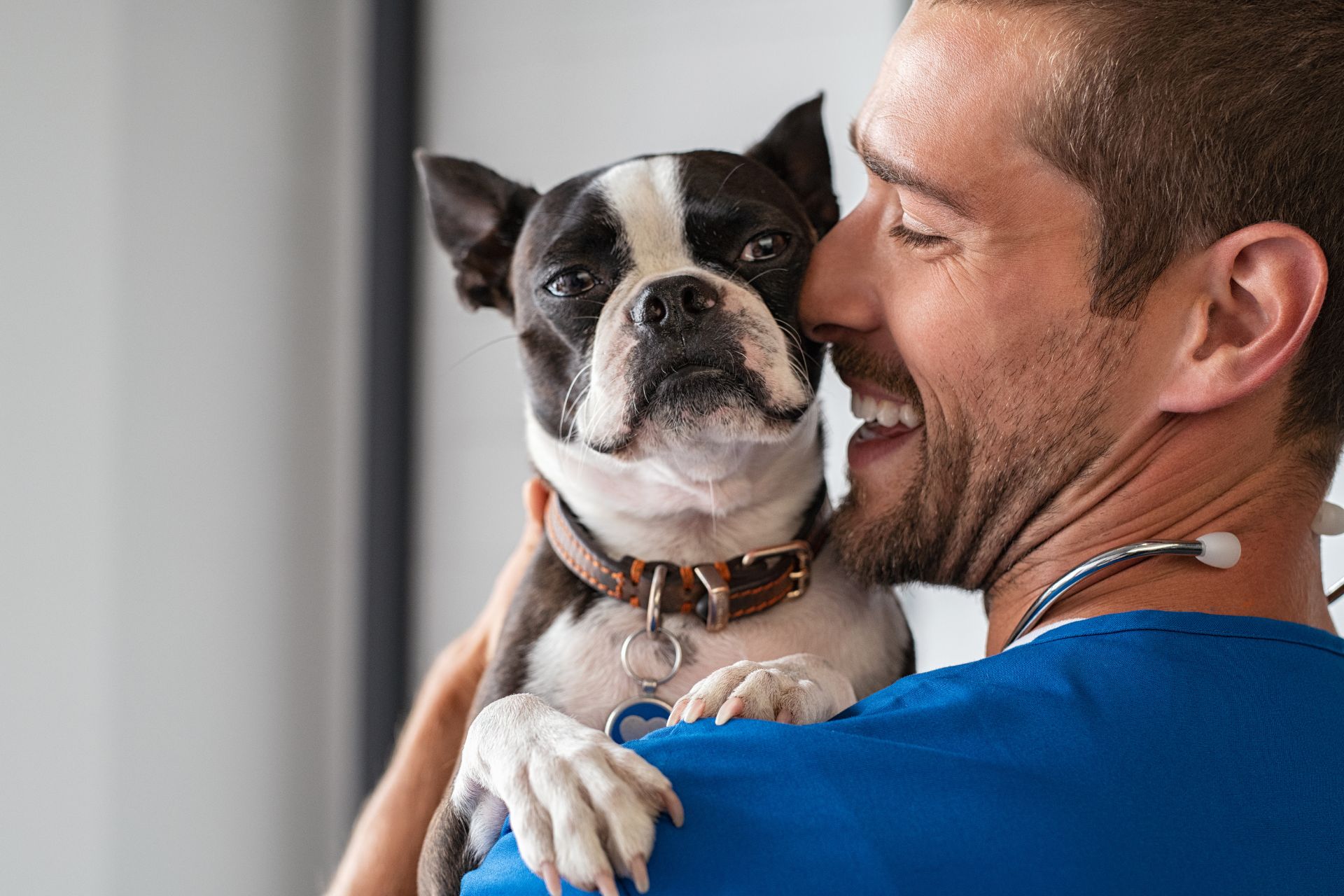
Dog Exercise Calculator by Breed
Find out how much daily exercise your dog needs based on breed, age, and health. Avoid under-exercising or overdoing it with breed-specific activity guidelines.
Use CalculatorCheck if it's safe to walk your dog based on outdoor temperature and humidity. Get warnings for heatstroke risk and cold weather danger thresholds.
Enter outdoor temperature, humidity or sun exposure, and the closest option in Dog Optimal Temperature Calculator. Review the estimate together with the assumptions shown in the result.
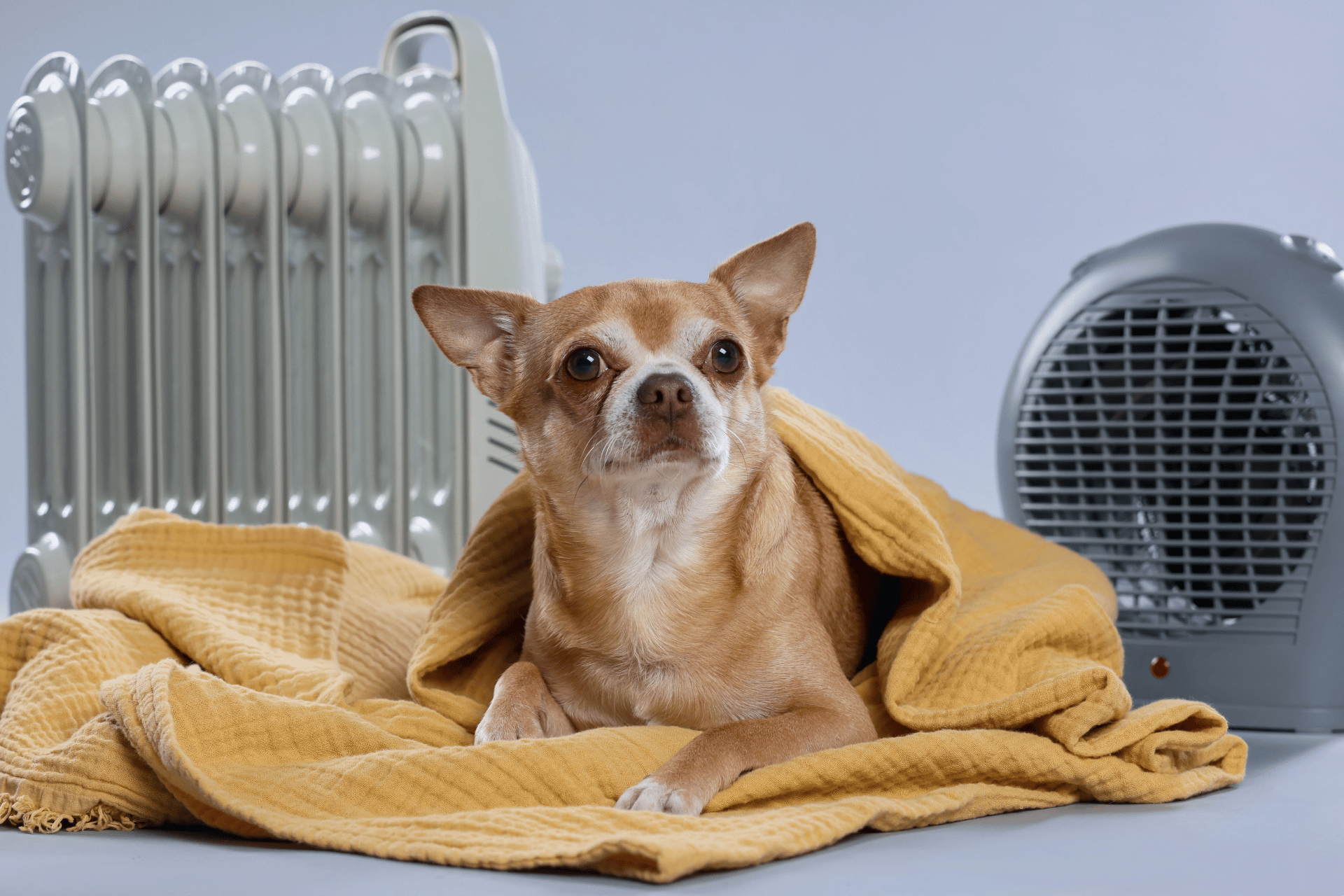
Dogs are susceptible to both heat stroke and hypothermia, but their tolerance varies significantly based on breed, coat type, body size, age, and health status. What is a comfortable temperature for a Siberian Husky may be dangerously hot for a French Bulldog. The Dog Optimal Temperature Calculator helps you determine the safe outdoor temperature range for your specific dog and provides guidance on when to modify exercise, take precautions, or keep your dog indoors entirely.
Use the table below to compare Temperature Safety Chart by Breed Type.
| Temperature | Short-Coated Breeds (Beagle, Lab, Boxer) | Brachycephalic Breeds (Pug, Bulldog, Frenchie) | Northern/Heavy-Coated Breeds (Husky, Malamute, Chow) | Toy Breeds (Chihuahua, Maltese) |
|---|---|---|---|---|
| Below 20F (-7C) | Caution: limit time; paw protection | High risk: very limited time only | Moderate: tolerate better but still limit | High risk: coat and boots required; very brief outings |
| 20-32F (-7 to 0C) | Moderate: short to moderate walks fine | Caution: short walks only; watch for shivering | Generally fine: enjoy the cold | Caution: coat required; limit duration |
| 32-50F (0-10C) | Fine for most activities | Comfortable range; ideal for brachycephalic exercise | Ideal: peak performance range | Fine with light coat in lower range |
| 50-70F (10-21C) | Ideal: all activities fine | Ideal: most comfortable exercise temperature | Fine: moderate activity acceptable | Ideal for all toy breeds |
| 70-80F (21-27C) | Fine for moderate activity; water available | Caution: shorten exercise; watch breathing | Moderate caution: shade and water essential | Fine with shade and water |
| 80-90F (27-32C) | Caution: morning/evening only; watch panting | High risk: avoid exercise; outdoor time only if shade and rest | High risk: restrict activity; cooling essential | Caution: limit activity; watch for overheating signs |
| Above 90F (32C+) | High risk: heat stroke possible; indoors or minimal outdoor time | Extreme risk: avoid outdoors; air conditioning required | Extreme risk for exercise | High risk: keep indoors |
Use the table below to compare Heat Stroke Risk Factors.
| Factor | Why It Increases Risk | Precaution |
|---|---|---|
| Brachycephalic airway | Restricted airway limits heat dissipation through panting | Exercise only in coolest part of day; immediate shade and water |
| Obesity | Insulating fat layer; reduced cardiovascular efficiency | Weight management is heat safety management |
| Dark coat color | Absorbs solar radiation | Shade-focused walks; avoid direct sun |
| Age extremes (very young or very old) | Reduced thermoregulatory capacity | More conservative temperature limits |
| Cardiovascular or respiratory disease | Reduced heat dissipation capacity | Consult vet on safe temperature thresholds |
| High humidity | Reduces evaporative cooling from panting | Heat Index (temp + humidity) is more predictive than temperature alone |
Use the table below to compare Cold Weather Safety.
| Dog Type | Safe Minimum Temperature | Signs of Hypothermia to Watch |
|---|---|---|
| Heavy-coated Nordic breeds (Husky, Malamute, Samoyed) | Can tolerate -20F (-29C) with shelter | Shivering is an early warning; address even if you think they are hardy |
| Medium coat, healthy adult dogs | Limit outdoor time below 20F (-7C) | Shivering, hunched posture, seeking warmth, sluggishness |
| Short-coated or toy breeds | Dress in a coat below 45F (7C); limit below 32F | Rapid shivering, curling up, reluctance to move |
| Senior dogs, puppies, sick dogs | More conservative than adult standards for all coat types | More susceptible to both heat and cold extremes |
No. Even on a 70F (21C) day, a car interior reaches 89F (32C) within 10 minutes and 104F (40C) within 30 minutes. On an 80F (27C) day, temperatures exceed 120F (49C) within 30 minutes. Cracked windows provide negligible temperature reduction. Never leave a dog in a parked car, even briefly.
Yes. Asphalt surface temperatures can be 40-60F (22-33C) hotter than air temperature on sunny days. A simple test: hold the back of your hand on the pavement for 5 seconds. If you cannot keep it there comfortably, it is too hot for your dog's paws. Booties also protect from ice melt chemicals in winter, which cause paw pad irritation and are toxic if licked.
Note: Temperature comfort can change with humidity, coat type, age, weight, health, pavement heat, and activity level.
Continue with Dog Exercise Calculator by Breed, Canine & Feline Water Consumption Calculator, Pet Breath Counter for the next practical step.
Find out how much daily exercise your dog needs based on breed, age, and health. Avoid under-exercising or overdoing it with breed-specific activity guidelines.
Use Calculator
Calculate how much water your dog or cat needs per day based on weight, diet, and activity. Spot dehydration risks and keep your pet healthy.
Use Calculator
Calculate and track your dog or cat's resting respiratory rate. Compare to normal ranges and get guidance on when elevated breathing needs vet attention.
Open Tracker