

Canine & Feline Water Consumption Calculator
Calculate how much water your dog or cat needs per day based on weight, diet, and activity. Spot dehydration risks and keep your pet healthy.
Use CalculatorCalculate how much protein your dog needs daily based on weight, age, and activity. Includes life stage breakdowns and best protein sources for dogs.
Enter the details requested in Dog Protein Calculator by Weight, then review the estimate as a practical starting point for the decision you are making.
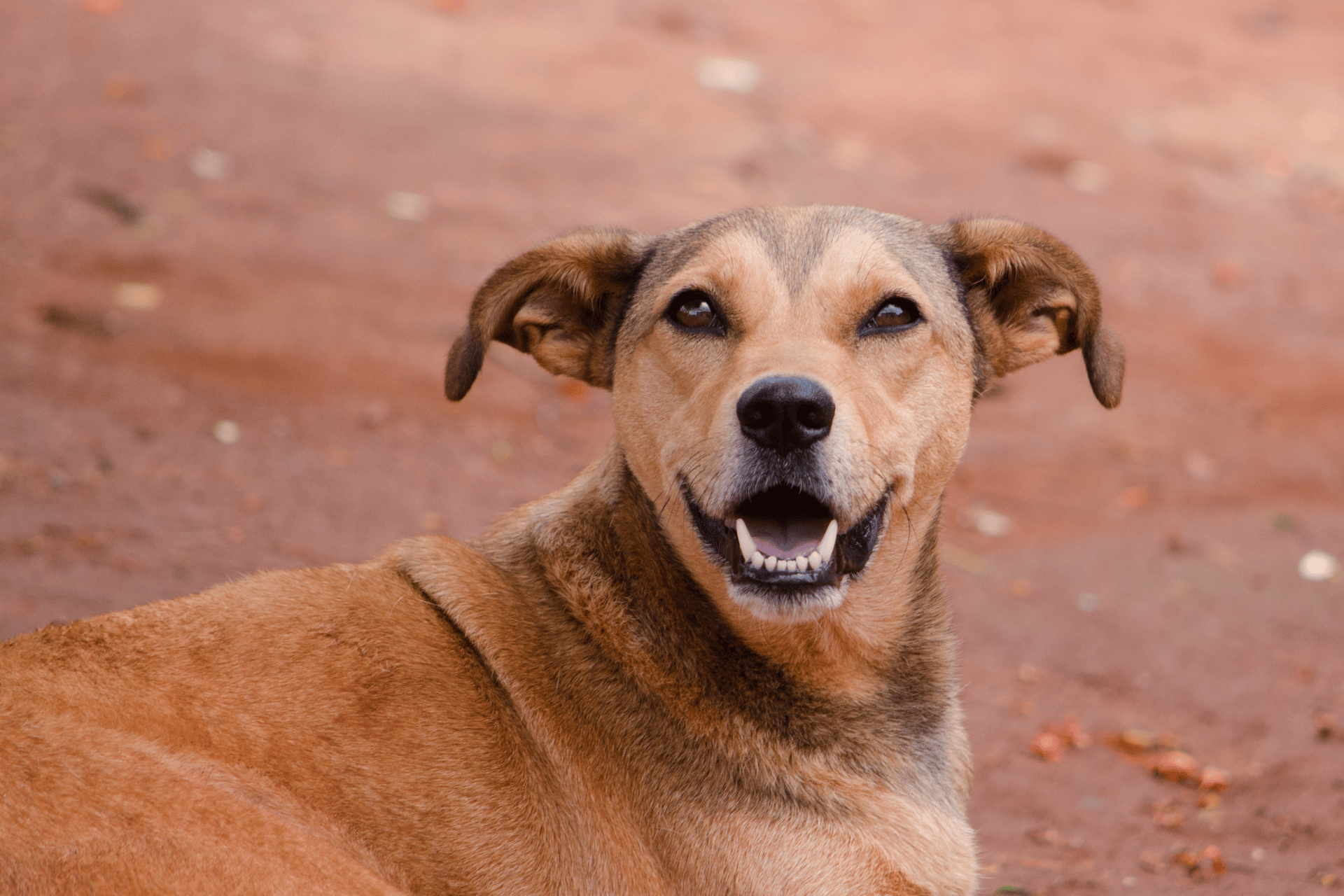
Protein is the most critical macronutrient in a dog's diet, serving as the source of essential amino acids needed for muscle maintenance, immune function, enzyme production, hormone synthesis, and tissue repair. Unlike humans, dogs do not have a strong ability to synthesize many amino acids internally, making dietary protein quality and quantity essential. The Dog Protein Calculator provides a personalized daily protein requirement estimate based on your dog's weight, life stage, activity level, and health status.
Dogs are metabolically adapted to use protein as a primary energy source, with amino acid catabolism pathways that are always active regardless of protein intake. This means dogs require protein not just for growth and maintenance but for ongoing energy metabolism, making protein requirements proportionally higher than in humans or omnivorous species.
Use the table below to compare AAFCO Minimum Protein Requirements.
| Life Stage | AAFCO Minimum Protein (DM%) | Recommended Adequate Intake (DM%) | Notes |
|---|---|---|---|
| Adult maintenance | 18% | 22-28% | Minimum to prevent deficiency; optimal intake higher |
| Growth (puppy) | 22% | 28-35% | Critical for muscle and organ development |
| Reproduction (gestation/lactation) | 22% | 28-35% | Elevated demand similar to growth |
| Senior dogs (11+) | 18% (same as adult) | 25-32% (often should be higher) | Current research suggests higher protein prevents muscle loss in seniors |
Use the table below to compare Daily Protein Requirements by Weight.
| Dog Weight | Sedentary Adult (g protein/day) | Active Adult (g protein/day) | Working Dog (g protein/day) | Puppy (g protein/day) |
|---|---|---|---|---|
| 5 lbs (2.3 kg) | 8-10g | 12-14g | 16-20g | 14-18g |
| 10 lbs (4.5 kg) | 14-18g | 20-25g | 28-35g | 25-32g |
| 20 lbs (9 kg) | 24-30g | 34-42g | 48-60g | 42-54g |
| 30 lbs (13.6 kg) | 32-40g | 46-56g | 64-80g | 56-72g |
| 50 lbs (22.7 kg) | 46-58g | 66-80g | 92-115g | 80-104g |
| 75 lbs (34 kg) | 62-78g | 88-108g | 124-155g | 108-140g |
| 100 lbs (45.4 kg) | 78-98g | 110-136g | 155-194g | 136-176g |
Use the table below to compare Protein Quality: Not All Protein Is Equal.
| Protein Source | Biological Value (approx) | Digestibility | Notes |
|---|---|---|---|
| Egg | 100 (reference standard) | 97% | Highest quality single protein source |
| Fish (salmon, sardine, whitefish) | 92-95 | 92-95% | Excellent quality; omega-3 bonus |
| Chicken/turkey (muscle meat) | 79-88 | 87-91% | High quality; widely used as primary protein |
| Beef | 74-80 | 80-87% | Good quality; common allergen |
| Lamb | 71-75 | 76-82% | Good quality; less common allergen |
| Pea/legume protein | 56-65 | 70-80% | Lower biological value; all essential amino acids present but less bioavailable |
| Corn/grain proteins | 50-60 | 65-75% | Low biological value; should not be primary protein source |
In healthy dogs with normal kidney function, there is no evidence that high-protein diets cause kidney damage. This is a common myth derived from human kidney disease management. However, in dogs with existing kidney disease (CKD), protein restriction IS appropriate to reduce the buildup of nitrogen waste products. For healthy dogs, excess protein is simply metabolized and excreted safely.
No - the opposite is increasingly supported by research. Older dogs lose muscle mass more rapidly (sarcopenia) and often need 25-35% protein on a DM basis to maintain muscle mass. The old recommendation to reduce protein in seniors was not evidence-based and is now largely reversed in veterinary nutrition guidance, except when kidney disease specifically requires restriction.
Novel proteins your dog has never eaten are the best choice for food allergy elimination trials: venison, duck, rabbit, kangaroo, bison, or novel fish species. The key is 'novel' - it must be a protein source with no prior exposure. Hydrolyzed protein diets break proteins into fragments too small to trigger immune reactions and are an alternative for dogs with multiple protein allergies.
Note: Protein needs vary by age, activity, body condition, food quality, and health history.
Continue with Canine & Feline Water Consumption Calculator, Dog & Cat Food Calculator: Your Pet Feeding Guide, MER Calculator for Dogs for the next practical step.
Calculate how much water your dog or cat needs per day based on weight, diet, and activity. Spot dehydration risks and keep your pet healthy.
Use Calculator
Calculate the right daily food portion for your dog based on weight, age, and activity level. Supports dry, wet, and mixed feeding for accurate portions.
Use Calculator
Find out exactly how many calories your dog needs per day. Enter weight, age, and activity level for a precise MER-based feeding recommendation.
Use Calculator