

Puppy Weight Calculator
Predict how big your puppy will get based on current weight, age, and breed size. Includes growth rate charts for small, medium, large, and giant breeds.
Use CalculatorEstimate your dog's adult height and weight based on age, breed, and current size. Includes size categories and breed-specific growth timelines.
Enter current age in weeks, current weight, and the closest option in Dog Size Calculator. Review the estimate together with the assumptions shown in the result.
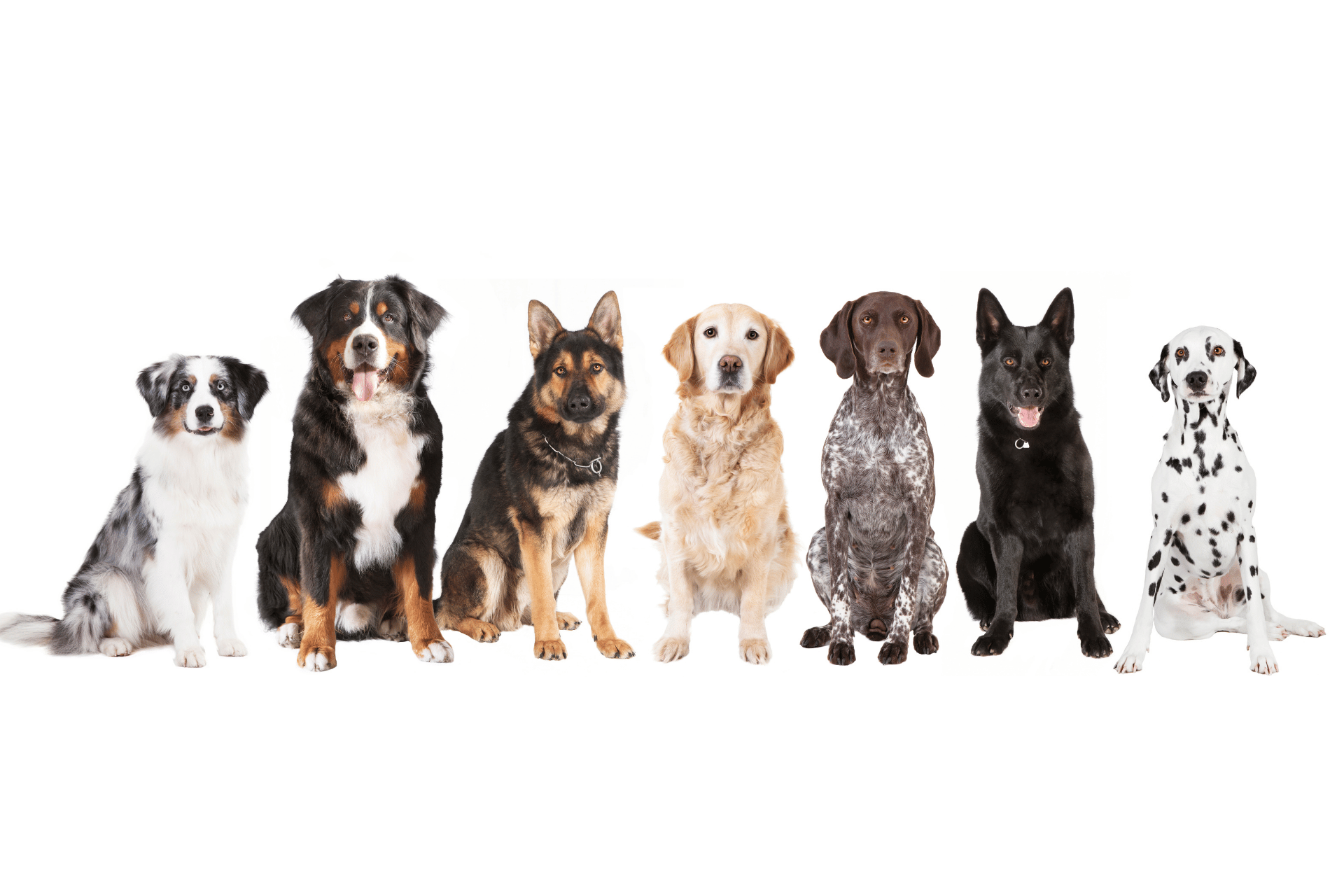
Predicting how large a puppy will grow is one of the most common questions new dog owners have - and one of the most practically important. Adult size affects feeding amounts, housing and crate needs, veterinary costs, exercise requirements, and compatibility with your living situation. The Dog Size Calculator uses your puppy's current age and weight to estimate their adult size using validated veterinary growth formulas, and cross-references with breed standards where the breed is known.
For most dogs, a reliable adult weight estimate can be made from a puppy's weight at a known age using these formulas:
For small and medium breeds: Adult weight = (puppy weight at 6 weeks) x 4
For large breeds: Adult weight = (puppy weight at 14 weeks) x 2.5
For giant breeds: Adult weight = (puppy weight at 16 weeks) x 2
These are estimates. Individual variation means a 15-25% error range is typical for mixed breed or uncertain parentage dogs.
| Age at Measurement | Estimated Adult Weight Multiplier | Accuracy | Best For |
|---|---|---|---|
| 6 weeks | x4 | Moderate - best for small/toy breeds | Toy and small breeds under 20 lbs expected adult |
| 8 weeks | x3.3 | Moderate | Most commonly used checkpoint for all sizes |
| 12 weeks | x2.7 (small/medium) x2 (large) | Good | Most commonly used for shelter/rescue assessment |
| 16 weeks | x2 (medium) x1.6 (large) | Good-high | Good accuracy at this age for most breeds |
| 6 months | x1.5 (small) x1.6-1.8 (large) | High | Very reliable for small breeds; good for large |
Use the table below to compare Growth Curves by Breed Size.
| Size Category | Birth Weight | 8 Weeks | 4 Months | 6 Months | 12 Months | 18 Months | Full Adult |
|---|---|---|---|---|---|---|---|
| Toy (under 10 lbs) | 2-5 oz | 1-3 lbs | 2-4 lbs | 3-6 lbs | 4-8 lbs | Same | 4-10 lbs |
| Small (10-25 lbs) | 5-8 oz | 3-6 lbs | 6-12 lbs | 10-18 lbs | 15-22 lbs | Same | 10-25 lbs |
| Medium (25-50 lbs) | 8-16 oz | 5-10 lbs | 12-22 lbs | 18-35 lbs | 25-45 lbs | Same or slightly more | 25-50 lbs |
| Large (50-90 lbs) | 1-2 lbs | 10-20 lbs | 25-45 lbs | 35-65 lbs | 50-85 lbs | Same | 50-90 lbs |
| Giant (90+ lbs) | 1.5-3 lbs | 15-30 lbs | 40-70 lbs | 55-90 lbs | 80-120 lbs | 90-140 lbs | 90-180+ lbs |
Use the table below to compare When Do Different Breeds Stop Growing?.
| Breed Size | Physical Maturity Age | Growth Plate Closure | Notes |
|---|---|---|---|
| Toy breeds | 8-10 months | 8-10 months | Reach adult size quickly; growth plates close early |
| Small breeds | 10-12 months | 10-12 months | Most reach full size by 1 year |
| Medium breeds | 12-15 months | 12-15 months | Some continued filling out after 12 months |
| Large breeds | 15-18 months | 16-18 months | Skeletal growth before muscular filling; protect growth plates |
| Giant breeds | 18-24 months | 18-24 months | Last to mature; some continue growing until 2 years |
For mixed breed dogs, the most reliable approach is: if you know the parent breeds, the expected adult size is typically somewhere between the two parent sizes, often closer to the larger parent. DNA testing (Embark, Wisdom Panel) reveals breed percentages and these map to expected size ranges. Paw size alone is not a reliable adult size predictor despite the popular myth.
No. Even for known breed crosses, individual genetic variation means predictions carry a 15-30% range. The most you can reliably do is predict a weight range. DNA testing improves prediction by identifying breed percentages, but individual variation within breed still applies.
Potential explanations include mixed parentage, an unusually large-framed individual within the breed, or inaccurate breed identification. A single larger-than-breed-standard puppy is not necessarily a concern. However, rapid weight gain in a large or giant breed puppy warrants dietary review - excess calorie and calcium intake accelerates growth in harmful ways.
Note: Adult size estimates can vary, especially for mixed-breed puppies and dogs with unknown parent size.
Continue with Puppy Weight Calculator, Dog Crate Size Calculator, Canine Life Stage Calculator for the next practical step.
Predict how big your puppy will get based on current weight, age, and breed size. Includes growth rate charts for small, medium, large, and giant breeds.
Use Calculator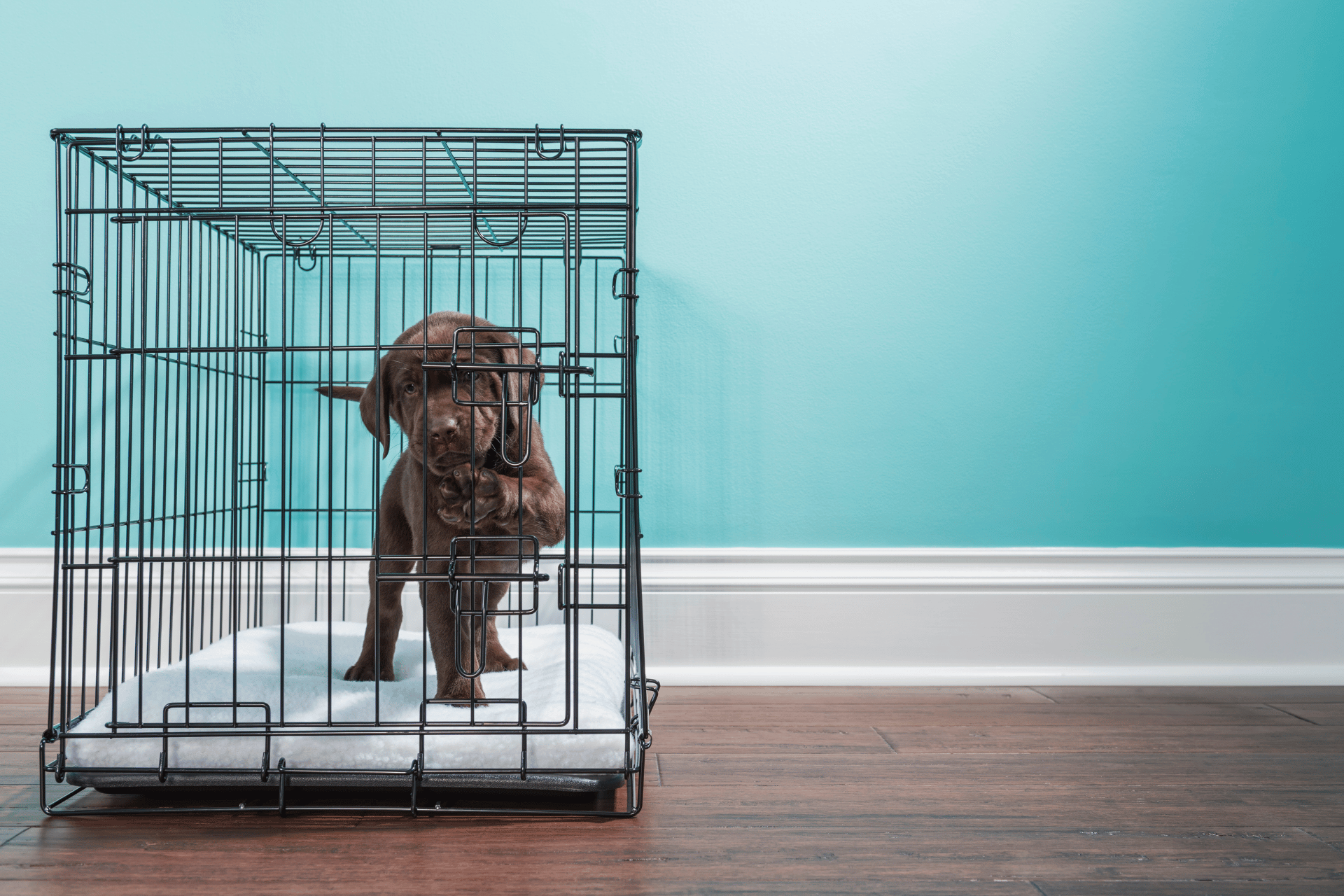
Find the correct crate size for your dog based on height, length, and breed. Includes a size chart, measuring guide, and airline crate requirements.
Use Calculator
Find out what life stage your dog is in based on age and breed size. Understand care needs, nutrition shifts, and vet screening for each stage.
Use Calculator