
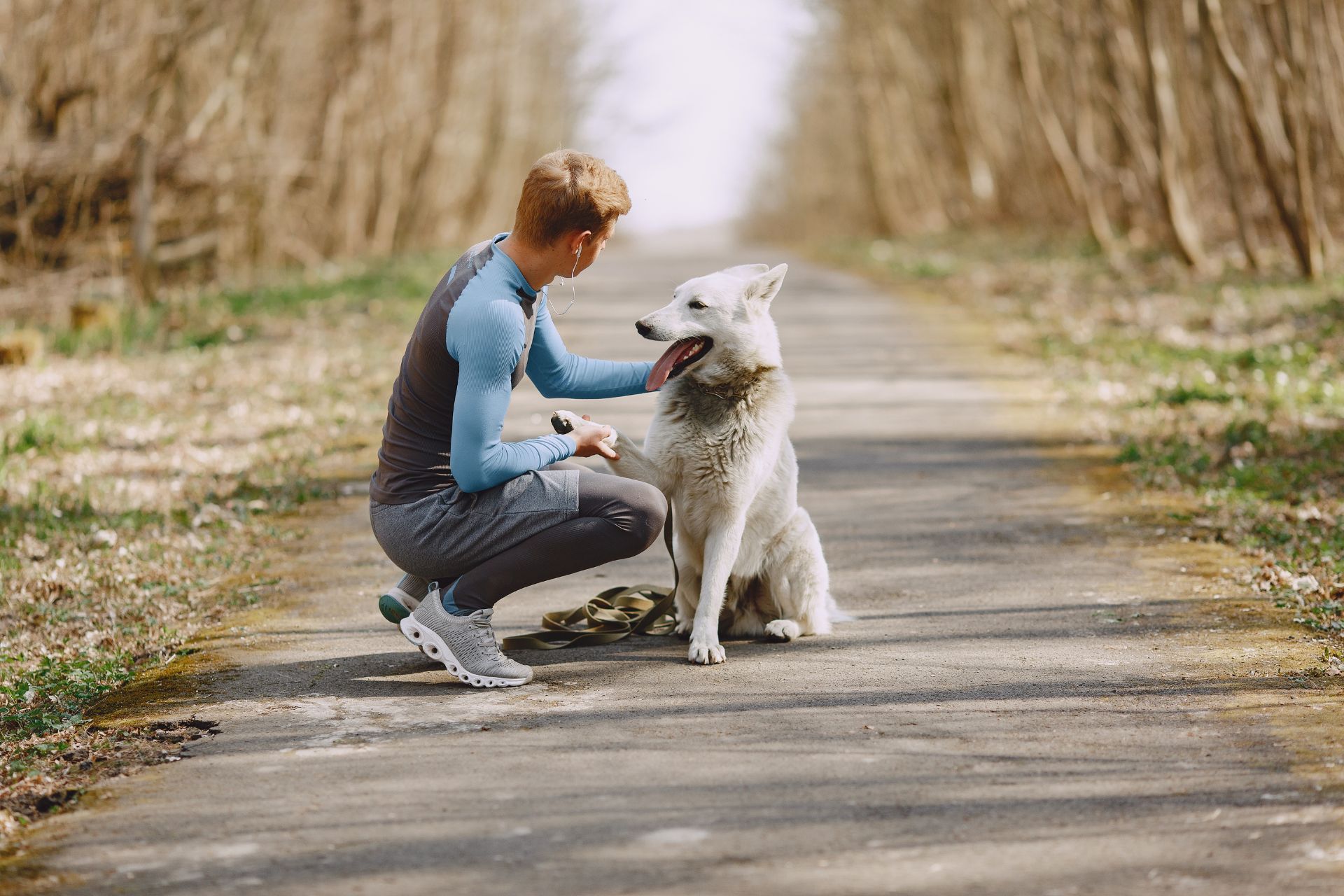
Canine Stress Calculator
Score your dog's stress level using behavioral and physical signs. Understand what triggers canine anxiety and learn how to help your dog feel calmer.
Start AssessmentScore your dog or cat on the 0-5 Fear, Anxiety, and Stress (FAS) scale. Understand their fear level and learn how to reduce stress at the vet and home.
Answer the questions in FAS Spectrum using recent observations. Review the score as a practical summary, then compare it with changes you have noticed at home.

Choose dog or cat first, then enter the details that match your pet's species, weight, routine, and current situation.
The Fear, Anxiety, and Stress (FAS) Spectrum is a standardized scoring system developed by Dr. Marty Becker and the Fear Free organization to assess and communicate the emotional state of animals in veterinary, grooming, and training settings. Rather than treating fear and anxiety as binary (present or absent), the FAS Spectrum recognizes that stress exists on a continuum and that recognizing early signs allows intervention before an animal reaches dangerous or traumatic levels of stress.
The FAS Spectrum is widely used by veterinary professionals trained in Fear Free techniques, groomers, trainers, and shelters. Understanding it helps pet owners recognize their own animals' stress levels and advocate for fear-reducing handling and care.
Use the table below to compare The FAS Spectrum: 0 to 5.
| Level | Label | Animal State | Physical Signs | Behavioral Signs | Recommended Response |
|---|---|---|---|---|---|
| 0 | Calm | Completely relaxed; no sign of stress | Soft eyes, relaxed body, natural tail carriage, loose mouth | Explores freely, seeks interaction, playful | Continue current environment; maintain positive association |
| 1 | Alert | Slightly elevated awareness; no distress | Ears slightly forward, tail mid-height, normal posture | Attentive to novel stimulus; readily redirectable | Normal handling; positive reinforcement; extra treats |
| 2 | Interested/Concerned | Early mild anxiety; aware of triggers | Ears forward or slightly back; slightly tense body | Focused on trigger; mild sniffing or scanning; not yet avoidant | Give extra treats; slow the pace; allow choice and control |
| 3 | Afraid/Stressed | Moderate anxiety; stress clearly visible | Ears back, whale eye, lowered tail, crouching, trembling | Avoidance attempts; hypervigilance; may refuse treats | Pause or change approach; move to safer environment; modify handling technique |
| 4 | Panicking | High anxiety; near or at threshold | Pupils dilated, panting, heavy trembling, urination or defecation | Active escape attempts; may freeze or become unresponsive to redirection | Stop procedure if possible; do not force; consider sedation with vet; reschedule |
| 5 | Shutting down / Aggressive | Extreme fear or learned helplessness; aggression likely or occurring | Completely frozen OR explosive; bite threshold reached or exceeded | Aggression, biting, or complete shutdown and unresponsiveness | Immediate cessation; safety first; referral to veterinary behaviorist |
Fear Free practices aim to keep animals at FAS 0-2 throughout veterinary visits. Key strategies include:
Use the table below to compare Recognizing FAS at Home.
| Situation | Common FAS-Raising Triggers | Signs to Watch For |
|---|---|---|
| Bath or grooming | Water, restraint, nail trimming, dryer noise | Trembling, lip licking, yawning, whale eye, trying to escape |
| Car travel | Motion, confinement, destination association | Panting, drooling, vomiting, vocalization |
| Strangers visiting | Unfamiliar people, noise, unpredictability | Hiding, cowering, barking, stress yawning |
| Vet visit | Novel smells, handling, unfamiliar equipment | All of the above; trembling, freezing, bladder expression |
| Thunderstorms/fireworks | Noise, pressure changes | Hiding, panting, pacing, destruction, self-harm in extreme cases |
No. The FAS Spectrum applies wherever animals experience stress: grooming salons, training classes, boarding facilities, and even at home. Many groomers trained in Fear Free use the FAS scale to assess animals before and during appointments, and document FAS levels in client records.
Happy visits - taking your pet to the vet clinic when no procedures are needed, just for treats and sniffing - build positive associations and lower baseline FAS. Carrier training (leaving the carrier out at home as a resting spot for cats) dramatically reduces transport stress. Ask your vet about pre-visit medications for pets consistently reaching FAS 3+.
Note: FAS scores show observed stress patterns and can help guide handling, training, and environment changes.
Continue with Canine Stress Calculator, Glasgow Pain Score Calculator, Feline Stress Calculator for the next practical step.
Score your dog's stress level using behavioral and physical signs. Understand what triggers canine anxiety and learn how to help your dog feel calmer.
Start Assessment
Assess your dog's pain level using the Glasgow Composite Pain Scale. Score behavioral indicators to determine severity and know when to seek vet care.
Start Assessment
Find out if your cat is stressed using behavioral and physical indicators. Get a stress score and actionable tips to help your cat feel safe and relaxed.
Start Assessment