

Dog BMI Calculator
Calculate your dog's BMI and compare it to healthy ranges for their breed. Find out if your dog is underweight, ideal, or overweight in seconds.
Use CalculatorAssess your dog's body condition using the veterinary 1-9 BCS scale. Find out if your dog is underweight, ideal, or overweight in minutes.
Answer the questions in Body Condition Score in Dogs using recent observations. Review the score as a practical summary, then compare it with changes you have noticed at home.
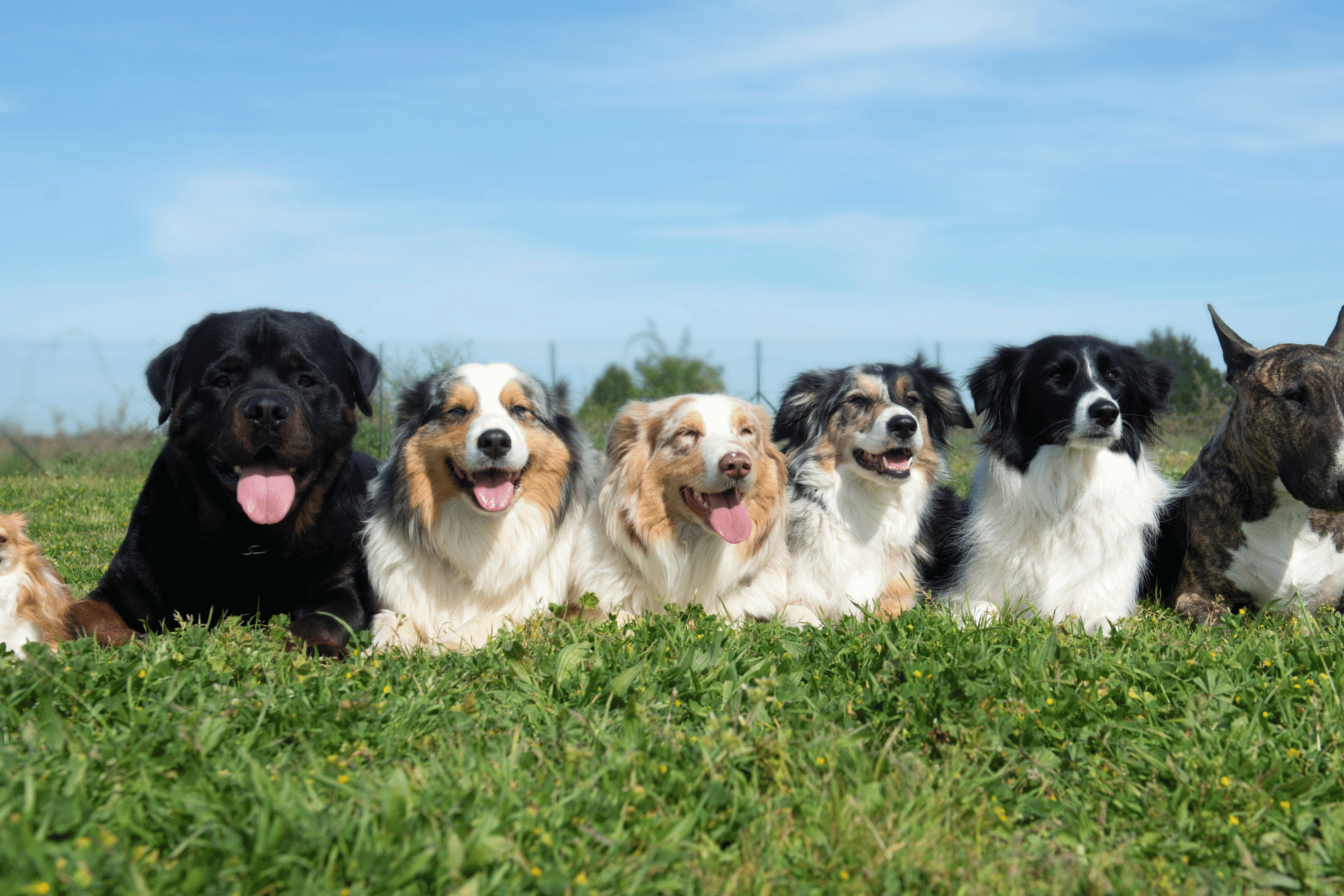
The Body Condition Score (BCS) is the most reliable, practical, and widely used veterinary tool for assessing whether a dog is at a healthy weight. Unlike a scale alone, the BCS combines visual inspection with hands-on assessment of fat cover over key landmarks to give a score that reflects true body composition rather than just weight. This is important because two dogs of the same breed and weight can have very different body conditions depending on their muscle mass and fat distribution.
According to a 2022 report by the Association for Pet Obesity Prevention, approximately 59% of dogs in the United States are overweight or obese. Learning to accurately body-score your dog is one of the most valuable skills a pet owner can develop for long-term health management.
The Body Condition Score for dogs uses a 1-9 scale (developed by Purina and now industry standard) or a 1-5 scale used by some European veterinary organizations. The 1-9 scale is more precise and more commonly used in North America.
| BCS Score | Category | Visual Description | Rib Check | Action Required |
|---|---|---|---|---|
| 1 | Emaciated | Visible ribs, spine, hip bones with no fat; severe muscle wasting | Ribs extremely prominent, no fat | Immediate veterinary attention - possible illness |
| 2 | Very Thin | Visible ribs, spine, and pelvic bones; minimal muscle mass | Ribs easily visible | Veterinary evaluation for underlying cause |
| 3 | Thin | Ribs visible without touching; top of spine prominent; obvious waist | Ribs felt with minimal pressure | Increase caloric intake with vet guidance |
| 4 | Underweight | Ribs easily felt, slight fat cover; obvious waist from above; abdominal tuck | Ribs easily palpated | Slightly increase food quantity |
| 5 | Ideal | Ribs felt with light pressure; waist visible from above; abdominal tuck present | Ribs felt without excess fat | Maintain current diet and exercise |
| 6 | Overweight | Ribs felt with firm pressure; waist discernible but not prominent; slight abdominal tuck | Ribs palpable with slight excess fat | Reduce calories by 10-15%; increase exercise |
| 7 | Heavy | Ribs hard to feel under fat deposits; waist barely visible; abdominal tuck absent | Ribs difficult to feel | Formal weight loss program with vet guidance |
| 8 | Obese | Ribs not felt; obvious fat deposits over spine and limbs; waist absent | Ribs not palpable | Veterinary weight management program |
| 9 | Severely Obese | Massive fat deposits; no waist or abdominal tuck; neck fat pads | Ribs not palpable under thick fat | Urgent veterinary care - health risk is high |
Stand directly above your dog while they are standing. You should see a clear hourglass waist behind the ribcage. If the sides appear straight or bulge outward, the dog is likely overweight.
Observe the abdominal tuck - the underside of the belly should rise upward toward the hips rather than hanging level or sagging downward. A level or sagging belly in the context of a wide side view suggests excess abdominal fat.
Place both thumbs on the spine and slide your fingers along the ribcage. You should be able to feel individual ribs with light pressure, similar to feeling the knuckles on the back of your hand. If you need to press firmly to feel ribs, the dog is overweight. If ribs are visible or protrude, the dog is underweight.
Run your hand along the spine and over the hip bones. In an ideal-weight dog, these should be felt easily but not prominently visible.
Looking from above, the waist should be clearly defined. A BCS of 5 shows a moderate hourglass shape. A BCS of 7-9 shows little to no definition.
Some breeds naturally carry more or less visible musculature or fat, which affects BCS assessment:
| Breed Type | BCS Assessment Note | Example Breeds |
|---|---|---|
| Sighthounds | Naturally lean; BCS 4-5 normal; ribs more visible than in other breeds | Greyhound, Whippet, Saluki |
| Heavy-coated breeds | Hard to visually assess; rely more on palpation | Chow Chow, Malamute, Samoyed |
| Bulldogs/brachycephalic | Prone to obesity; waist hard to see due to build | English Bulldog, French Bulldog, Pug |
| Barrel-chested breeds | May appear heavier than their BCS; rely on rib feel | Boxer, Rottweiler, Staffordshire Bull Terrier |
| Toy breeds | Small size amplifies weight changes; very sensitive to even small weight gain | Chihuahua, Yorkshire Terrier, Pomeranian |
Use the table below to compare Target BCS for Weight Management.
| Current BCS | Target BCS | Recommended Calorie Reduction | Estimated Time to Goal |
|---|---|---|---|
| 6 (slightly over) | 5 | 10-15% calorie reduction | 1-2 months |
| 7 (heavy) | 5 | 15-20% calorie reduction + exercise increase | 2-4 months |
| 8 (obese) | 5 | Veterinary prescription diet, 20-30% reduction | 4-8 months |
| 9 (severely obese) | 5-6 initially | Veterinary management required | 6-18 months |
Weigh your dog and assess BCS monthly. Weight alone is insufficient because a dog can gain fat while losing muscle (sarcopenic obesity), keeping body weight stable while health deteriorates. BCS captures this better than scales alone. Keep a logbook with monthly weight and BCS scores to track trends.
Studies show that trained assessors scoring BCS correlate strongly with DEXA scan results (the gold standard for body fat measurement). BCS is not as precise as DEXA but is far more accessible and practical for regular monitoring.
Owner perception of dog weight is frequently inaccurate. Because so many dogs in the population are overweight, overweight dogs have become normalized. If your vet assigns a BCS of 7 or higher, take it seriously even if the dog looks normal to you.
Yes, but with modified expectations. Puppies should generally be slightly on the lean side (BCS 4-5) during growth to reduce load on developing joints, particularly in large and giant breeds.
A safe weight loss rate is 1-2% of body weight per week. For a 50-lb (22 kg) dog, that is 0.5-1 lb (0.22-0.45 kg) per week. Faster weight loss risks muscle loss and nutritional deficiencies.
Yes. Spayed and neutered dogs have a 20-30% lower caloric requirement than intact dogs because of reduced metabolic rate. This is one of the most common reasons dogs gain weight after spaying or neutering. Adjust food intake accordingly.
Note: Body condition scoring is a helpful visual guide, but weight, muscle condition, age, and breed shape should also be considered.
Continue with Dog BMI Calculator, Step Weight Loss Calculator, MER Calculator for Dogs for the next practical step.
Calculate your dog's BMI and compare it to healthy ranges for their breed. Find out if your dog is underweight, ideal, or overweight in seconds.
Use Calculator
Calculate your pet's safe weight loss rate and daily calorie target. Covers dogs and cats with vet-recommended calorie deficit guidance.
Open Planner
Find out exactly how many calories your dog needs per day. Enter weight, age, and activity level for a precise MER-based feeding recommendation.
Use Calculator