
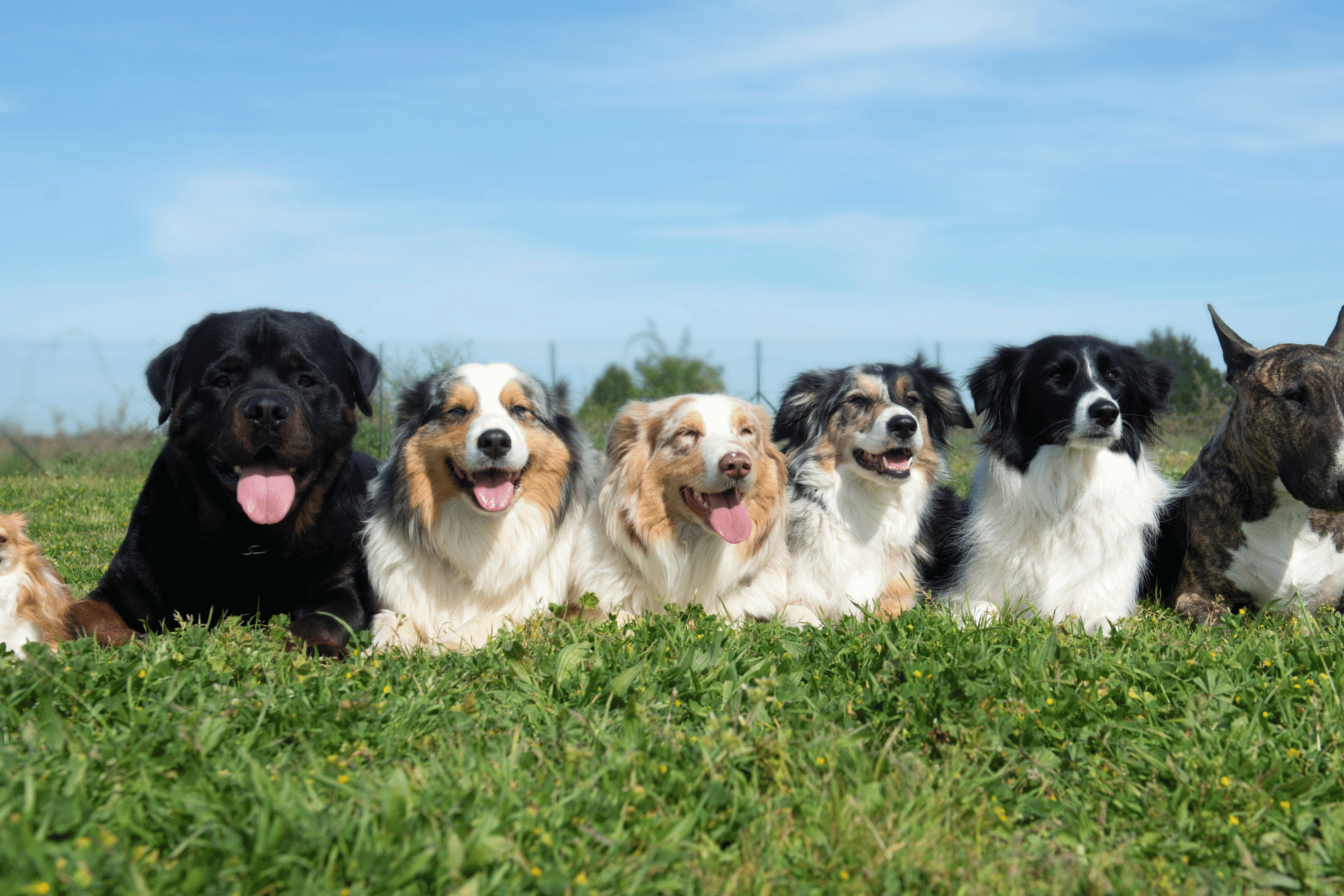
Body Condition Score in Dogs
Assess your dog's body condition using the veterinary 1-9 BCS scale. Find out if your dog is underweight, ideal, or overweight in minutes.
Start AssessmentCalculate your dog's BMI and compare it to healthy ranges for their breed. Find out if your dog is underweight, ideal, or overweight in seconds.
Enter the details requested in Dog BMI Calculator, then review the estimate as a practical starting point for the decision you are making.

Body Mass Index (BMI) is commonly used in human medicine to assess weight relative to height, but dogs present a unique challenge because of the enormous variation in breed body structure, muscle mass distribution, and bone density. Despite these limitations, a dog BMI calculation offers a useful starting point for assessing weight status, particularly when combined with the Body Condition Score (BCS) assessment that evaluates fat cover directly. The Dog BMI Calculator uses your dog's weight and body measurements to generate an estimate of healthy weight range and flag potential over or underweight status.
The most commonly used dog BMI formula adapted for veterinary use is:
Dog BMI = (weight in lbs / (height in inches x height in inches)) x 703
Alternatively, a ribcage girth-based formula is used by some veterinary scales:
Body Weight Score based on rib cage circumference and rib cage depth varies by breed family.
Note: Because dogs vary so enormously in body type - from a 5 lb Chihuahua to a 200 lb Mastiff - BMI is less definitive in dogs than in humans. The BCS assessment (feeling the ribs and observing waist definition) is always recommended alongside any BMI calculation.
Use the table below to compare Healthy BMI Ranges for Dogs (Approximate).
| BMI Category | BMI Range | Interpretation | Recommended Action |
|---|---|---|---|
| Underweight | Below 18.5 | Insufficient body fat; muscle wasting possible | Veterinary evaluation; increase calories |
| Lean-normal | 18.5-22 | Good - lean body type typical of athletic breeds | Maintain; confirm with BCS assessment |
| Ideal weight | 22-27 | Normal healthy range for most breeds | Maintain current diet and exercise |
| Overweight | 27-30 | Excess fat beginning to accumulate | Reduce calories 10-15%; increase exercise |
| Obese | Above 30 | Significant excess fat; health risk | Veterinary weight management program recommended |
Use the table below to compare BMI Limitations in Dogs.
| Breed Type | BMI Limitation | Better Assessment Tool |
|---|---|---|
| Sighthounds (Greyhound, Whippet) | Naturally lean build - BMI will read underweight even at ideal BCS | Use BCS; rib visibility is normal for this breed type |
| Bulldog/brachycephalic breeds | Low height, wide body inflates BMI | Use BCS; palpate ribs |
| Heavily muscled breeds (Rottweiler, Pit Bull) | Muscle mass increases BMI without fat | Combine BMI with BCS and visual assessment |
| Long-bodied breeds (Dachshund) | Height measurement may not capture proportional weight accurately | Use BCS primarily |
While BMI gives a weight-to-height ratio, BCS evaluates actual fat distribution over key anatomical landmarks. Together they provide a more complete picture: a dog can have a normal BMI but a BCS of 7 (heavy) if they carry weight in the belly and lose muscle mass - a common pattern in older, less active dogs. Always assess both together.
No universally standardized dog BMI chart exists because of the extreme size variation between breeds. The values provided are approximate and most useful for medium-sized, standard-proportion breeds. For all breeds, the veterinary Body Condition Score (BCS) on a 1-9 scale is more reliable and more widely used.
A calorie reduction of 20-25% below current intake, targeting the RER (resting energy requirement) of the ideal body weight rather than current weight, is the standard starting point for veterinary weight loss programs. This should be confirmed with your vet and monitored monthly.
Note: Dog BMI is a rough screening tool. Body condition, breed shape, muscle, and overall health should also be considered.
Continue with Body Condition Score in Dogs, Step Weight Loss Calculator, MER Calculator for Dogs for the next practical step.
Assess your dog's body condition using the veterinary 1-9 BCS scale. Find out if your dog is underweight, ideal, or overweight in minutes.
Start Assessment
Calculate your pet's safe weight loss rate and daily calorie target. Covers dogs and cats with vet-recommended calorie deficit guidance.
Open Planner
Find out exactly how many calories your dog needs per day. Enter weight, age, and activity level for a precise MER-based feeding recommendation.
Use Calculator