
Free 2 Minute Cat Personality Test
Find out your cat's personality type with our free 5-factor feline personality test. Understand their behavior and match enrichment to their unique traits.
Start QuizFind the right cat breed for your lifestyle with our quick quiz. Filter by activity level, grooming needs, allergies, and living situation.
Answer the questions in Cat Breed Selector using recent observations. Review the score as a practical summary, then compare it with changes you have noticed at home.
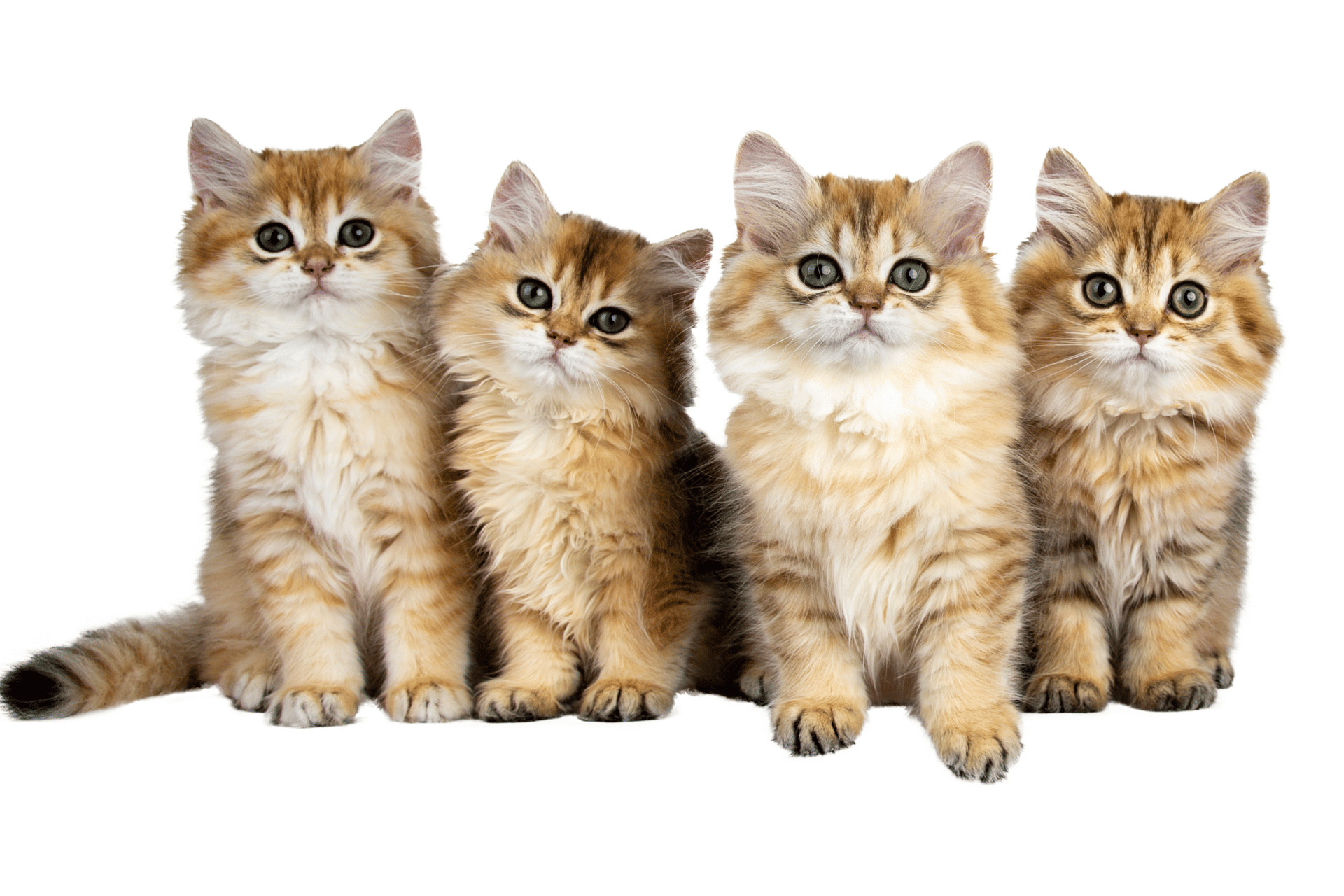
With over 70 recognized cat breeds and countless mixed-breed cats available through shelters, choosing the right cat breed for your lifestyle, living situation, and preferences is one of the most important decisions a new cat owner makes. The Cat Breed Selector guides you through the key decision factors including activity level, grooming needs, vocality, independence vs. affection, compatibility with children or other pets, and size to match you with breeds that genuinely suit your home. A well-matched cat-human pairing leads to a lifelong, deeply rewarding relationship. A mismatch often leads to stress for both parties and unfortunately contributes to cat relinquishment.
Use the table below to compare Key Factors in Cat Breed Selection.
| Factor | Low Maintenance Option | High Maintenance Option | What to Consider |
|---|---|---|---|
| Grooming needs | Short-coated breeds: American Shorthair, Burmese, Russian Blue | Long-coated breeds: Persian, Maine Coon, Norwegian Forest Cat, Ragdoll | Daily brushing required for long coats; professional grooming 4-6x/year |
| Activity level | British Shorthair, Persian, Ragdoll (calm) | Abyssinian, Bengal, Siamese, Devon Rex (high energy) | High-energy cats need daily interactive play; may be destructive if bored |
| Vocality | British Shorthair, Russian Blue, Scottish Fold (quiet) | Siamese, Oriental Shorthair, Burmese (very vocal) | Vocal cats can be disruptive in apartments or for noise-sensitive owners |
| Affection level | Norwegian Forest Cat, Russian Blue (independent) | Ragdoll, Burmese, Devon Rex (velcro cats) | Very clingy breeds struggle with owner absences |
| Intelligence/playfulness | Persian, Exotic Shorthair (lower energy) | Bengal, Siamese, Maine Coon, Savannah (highly intelligent) | Intelligent cats need mental enrichment or become bored and destructive |
| Hypoallergenic potential | No cat is truly hypoallergenic | Sphynx, Balinese, Siberian, Cornish Rex produce less Fel d 1 | Visit with the breed before committing if allergies are a concern |
Use the table below to compare Popular Cat Breeds: Complete Profile Table.
| Breed | Size | Coat | Energy Level | Affection | Good With Kids/Dogs | Average Lifespan |
|---|---|---|---|---|---|---|
| Maine Coon | Large (8-18 lbs) | Long, thick | Moderate-high | High | Yes / Yes | 12-15 years |
| Ragdoll | Large (10-20 lbs) | Semi-long, silky | Low-moderate | Very high | Yes / Yes | 12-17 years |
| Siamese | Medium (8-12 lbs) | Short | High | High | Yes / Moderate | 12-20 years |
| Persian | Medium-large (7-12 lbs) | Very long, thick | Low | High | Moderate / No | 10-17 years |
| Bengal | Medium (8-15 lbs) | Short, spotted/marbled | Very high | Moderate | Moderate / Moderate | 12-16 years |
| British Shorthair | Large (9-18 lbs) | Short, dense | Low | Moderate | Yes / Moderate | 12-20 years |
| Abyssinian | Medium (6-10 lbs) | Short, ticked | Very high | High | Yes / Yes | 12-15 years |
| Scottish Fold | Medium (6-13 lbs) | Short or long | Moderate | High | Yes / Yes | 11-14 years |
| Russian Blue | Medium (7-12 lbs) | Short, blue-grey | Moderate | Moderate (reserved) | Moderate / No | 15-20 years |
| Norwegian Forest Cat | Large (9-16 lbs) | Long, thick | Moderate | Moderate | Yes / Yes | 14-16 years |
| Sphynx | Medium (6-12 lbs) | Hairless | High | Very high | Yes / Yes | 8-14 years |
| Devon Rex | Small-medium (5-10 lbs) | Short, wavy | High | Very high | Yes / Yes | 9-15 years |
| Burmese | Medium (8-12 lbs) | Short, satin | High | Very high | Yes / Moderate | 16-18 years |
| American Shorthair | Medium (8-15 lbs) | Short | Moderate | Moderate | Yes / Yes | 15-20 years |
| Siberian | Large (8-17 lbs) | Semi-long | High | High | Yes / Yes | 11-15 years |
Use the table below to compare Cats for Specific Lifestyles.
| Lifestyle | Best Breeds | Why They Fit |
|---|---|---|
| Apartment living | British Shorthair, Russian Blue, Persian, Ragdoll | Low activity; quiet; content indoors; not destructive |
| Active owners who play daily | Bengal, Abyssinian, Siamese, Devon Rex | High-energy breeds thrive with engaged, interactive owners |
| Families with young children | Maine Coon, Ragdoll, Abyssinian, American Shorthair | Patient, sturdy, tolerant, playful with kids |
| Dog households | Maine Coon, Ragdoll, Abyssinian, Siberian | Adaptable; confident enough to coexist with dogs |
| First-time cat owners | Ragdoll, American Shorthair, British Shorthair | Forgiving temperament; lower maintenance; easy to bond with |
| Owners away 8+ hours/day | British Shorthair, Russian Blue (pairs are better) | More independent; tolerate solitude better than velcro breeds |
| Allergy sufferers | Siberian, Sphynx, Balinese, Cornish Rex | Lower Fel d 1 production; visit before committing |
| Seniors/low-activity owners | Ragdoll, Persian, Exotic Shorthair, British Shorthair | Calm, low exercise demands, affectionate companions |
The vast majority of cats in the world are domestic shorthairs or longhairs of mixed ancestry, and they make wonderful companions with the same personality diversity as any purebred. Key differences to consider:
Personality varies more by individual and breed than by sex. Neutered males tend to be slightly more laid-back and affectionate. Spayed females are generally independent and can be selective with affection. Intact cats of either sex have significant behavioral and health complications, making spaying and neutering strongly recommended.
Cats are generally lower maintenance than dogs in terms of daily exercise requirements, but they are not no-maintenance pets. They require daily feeding, litter box management, playtime, veterinary care, and enrichment. Long-haired breeds have significant grooming needs.
Yes. Many cats, especially confident adults, live perfectly happy lives as single cats. Some breeds like Siamese and Burmese do better with feline company. If you are away for many hours daily, consider adopting a bonded pair.
Yes, absolutely. Indoor cats without enrichment become bored and may develop behavioral issues, depression, or obesity. Window perches, puzzle feeders, cat trees, daily interactive play with wand toys, and rotated toy variety are all important for indoor cat wellbeing.
Note: Breed traits can guide research, but each cat has its own personality, habits, and comfort level.
Continue with Free 2 Minute Cat Personality Test, Cat Weight Calculator (BMI), Pet Compatibility Checker for the next practical step.
Find out your cat's personality type with our free 5-factor feline personality test. Understand their behavior and match enrichment to their unique traits.
Start Quiz
Check if your cat is a healthy weight using our BMI and body condition calculator. Includes breed-specific weight ranges and obesity health risk info.
Use Calculator
Find your ideal pet match based on lifestyle, home, and experience level. Our compatibility quiz helps you choose between dogs, cats, and more.
Start Check