
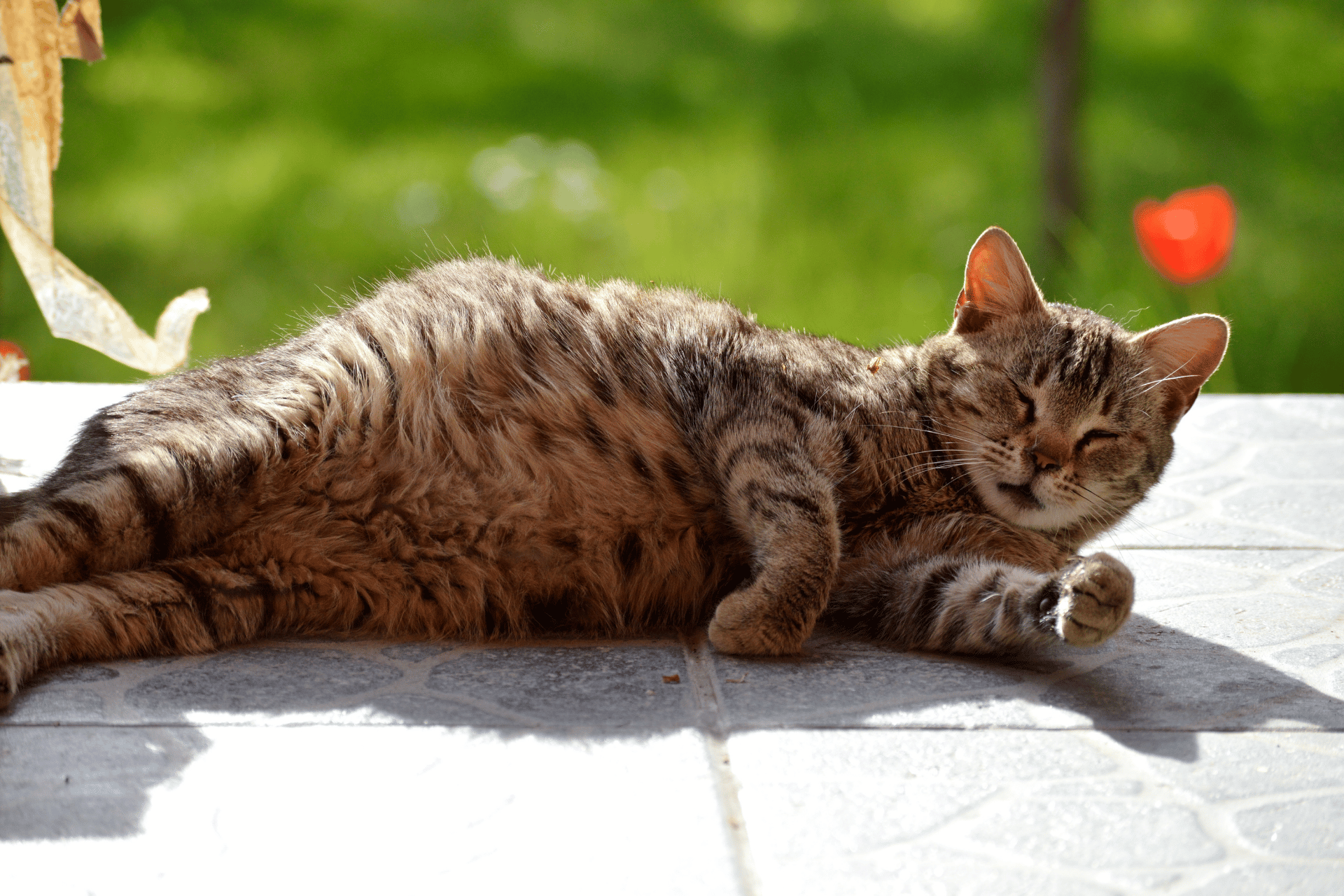
Cat Pregnancy Calculator
Calculate your cat's due date and get a week-by-week pregnancy timeline. Enter the mating date to prepare for kittening and plan kitten care.
Open PlannerCalculate your cat's optimal breeding window based on her heat cycle. Track estrus stages and plan mating dates with our free feline breeding calculator.
Enter days since mating, expected cycle length, and the closest option in Cat Breeding Calculator. Review the estimate together with the assumptions shown in the result.
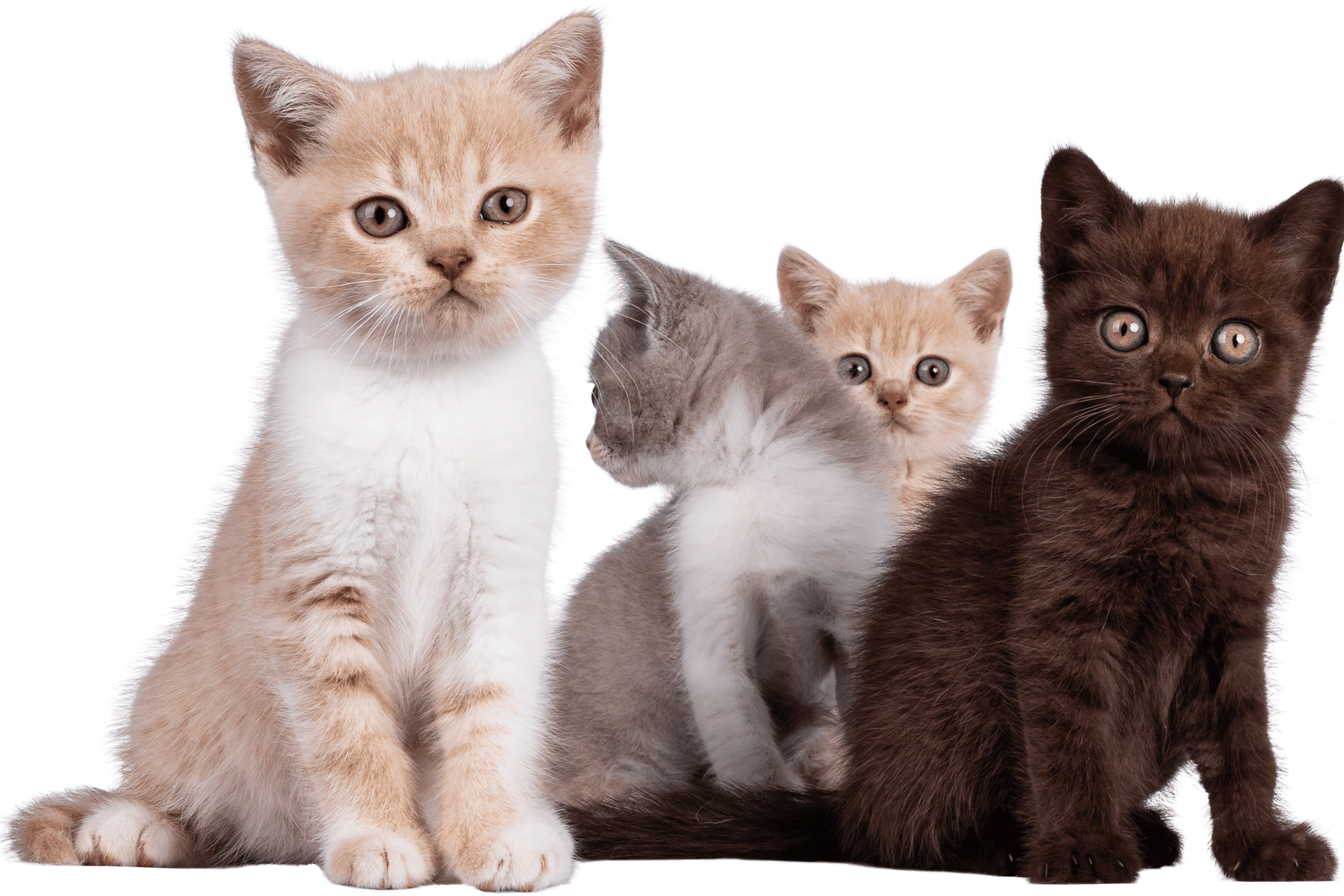
Responsible cat breeding requires precise knowledge of the feline estrus cycle to identify the optimal breeding window, predict kittening dates, and ensure the health of the queen and her litter. The Cat Breeding Calculator takes the first day of heat as its input and generates the complete estrus timeline, predicted ovulation window, optimal breeding days, and expected kittening date. It also provides guidance for breeders on health testing requirements, genetic screening, and the ethical standards expected in responsible feline breeding programs.
Cats are seasonally polyestrous, meaning they cycle through multiple heat periods during breeding seasons (primarily January through October in the Northern Hemisphere), driven by increasing day length. Unlike dogs, cats are induced ovulators, meaning ovulation only occurs in response to mating stimulation. This has significant implications for breeding timing.
| Phase | Duration | Description | Signs/Behaviors |
|---|---|---|---|
| Proestrus | 1-2 days | Follicle development begins; queen may be slightly restless | Mild restlessness; males may show interest; queen not yet receptive |
| Estrus (Heat) | 5-7 days (range 3-14) | Active heat; queen is receptive to mating; ovulation induced by mating | Loud calling/vocalizing, rolling, rubbing, lordosis posture, elevated tail, spray marking |
| Interestrus | 8-30 days | If mating did not occur; queen between heat cycles but not pregnant | Return to normal behavior; no signs of heat |
| Diestrus | 35-37 days | Occurs after ovulation (whether pregnant or not); corpus luteum phase | Behavioral calm; if pregnant, nesting begins around day 60 |
| Anestrus | Seasonal (winter months) | Reproductive rest period; no cycling | No estrus behavior; occurs in winter low-light conditions |
Because cats are induced ovulators, mating stimulates ovulation. Ovulation typically occurs 24-50 hours after the first mating. For maximum fertilization success, most breeders use the following protocol:
| Day of Estrus | Breeding Recommendation | Expected Ovulation Status |
|---|---|---|
| Day 1-2 of estrus | Allow first mating | Ovulation not yet triggered |
| Day 2-3 | Allow second mating 24-48 hrs after first | Ovulation likely triggered by now |
| Day 3-4 | Allow third mating if queen is still receptive | Ovulation confirmed; fertilization window open |
| Day 4-5 | Final mating if queen remains receptive | Peak fertilization window |
| After Day 6-7 | Queen usually rejects male | Estrus ending |
Feline gestation averages 63-65 days from the date of ovulation, which is typically 24-50 hours after the first mating. The range from first mating to kittening is typically 58-70 days. To estimate kittening date, add 63-65 days from the estimated ovulation date (or 65-67 days from first mating as a practical estimate).
Use the table below to compare Feline Pregnancy Week-by-Week.
| Week | Days | Key Developmental Events | Signs in Queen |
|---|---|---|---|
| Week 1 | 1-7 | Fertilization and cell division; embryos traveling to uterine horns | No visible signs |
| Week 2 | 8-14 | Implantation occurs | Possible subtle behavior change; no physical signs |
| Week 3 | 15-21 | Organogenesis; ultrasound viable from day 16-21 | Possible morning sickness; nipple color changes (pinking) begins |
| Week 4 | 22-28 | Kittens clearly visible on ultrasound; heartbeats detectable | Abdomen slightly enlarged; appetite may increase |
| Week 5 | 29-35 | Kittens' features forming; rapid growth begins | Obvious abdominal enlargement; weight gain evident |
| Week 6 | 36-42 | Skeletal calcification; movement may be palpable | Prominent belly; nesting behavior may begin |
| Week 7 | 43-49 | Kittens near full term structure | Active nesting; queen seeks quiet space; nipples enlarged |
| Week 8 | 50-56 | Final weight gain of kittens | X-ray viable for kitten count; queen very large |
| Week 9 | 57-65 | Kittens ready for birth; parturition imminent from day 60 | Temperature drop, restlessness, milk letdown in mammary glands |
Use the table below to compare Health Testing Recommended Before Breeding.
| Test | Conditions Screened | Breeds Where Required/Recommended | Testing Body |
|---|---|---|---|
| HCM (Hypertrophic Cardiomyopathy) echo | Cardiac muscle thickening | Maine Coon, Ragdoll, British Shorthair, Bengal, Siberian | Cardiologist-performed echocardiogram; annually |
| PKD DNA test (Polycystic Kidney Disease) | Kidney cyst gene mutation | Persian, Exotic Shorthair, British Shorthair, Ragdoll | DNA swab; OFA/UC Davis |
| PRA-b (Progressive Retinal Atrophy) | Progressive blindness gene | Abyssinian, Somali, Ocicat, Bengal | DNA test; PawPrint Genetics |
| HCM genetic panel (MyBP-C mutations) | Genetic cardiac markers | Maine Coon (A31P), Ragdoll (R820W) | DNA test |
| FIV and FeLV testing | Viral diseases | All breeding cats | Veterinary blood test; annually |
| Blood type testing | A, B, or AB blood type | All breeding cats (critical for incompatible pairs) | Vet lab or home kit |
Feline blood type incompatibility is a critical breeding consideration. Kittens born to a Type B queen mated with a Type A tom can experience neonatal isoerythrolysis (fading kitten syndrome caused by the queen's antibodies attacking kittens' Type A red blood cells through colostrum).
| Queen Blood Type | Tom Blood Type | Kitten Risk | Action Required |
|---|---|---|---|
| Type A | Type A | No risk | Normal breeding allowed |
| Type A | Type B | Low risk (most kittens will be Type A) | Monitor kittens |
| Type B | Type A | HIGH RISK - neonatal isoerythrolysis possible | Type B kittens safe; Type A kittens must not nurse colostrum - bottle feed for 24 hrs then return to queen |
| Type B | Type B | No risk - all kittens Type B | Normal breeding allowed |
| Type AB | Either | Low risk | Monitor |
Biologically a queen can have 2-3 litters per year due to the short gestation and cycling frequency. However, responsible breeding standards recommend no more than 1-2 litters per year per queen, with a minimum rest period of one heat cycle between litters. Breeding queens retire from breeding programs typically at 5-6 years of age.
Most cat registries and responsible breeders require queens to be at least 12-18 months of age before first breeding. This ensures skeletal maturity and reduces complications. Breeding at the first heat (which can occur as early as 4-6 months) is harmful to the queen and associated with poor kitten outcomes.
Ultrasound from day 16-21 can confirm pregnancy and detect heartbeats. Nipple pinking occurs around day 18-21. Abdominal enlargement becomes visible by week 5. X-ray from day 45 counts kittens (skeletons are not yet calcified enough before this). Relaxin blood test is available but less commonly used in cats than dogs.
Note: Breeding dates are estimates and should be used alongside proper care, observation, and veterinary guidance.
Continue with Cat Pregnancy Calculator, Cat Weight Calculator (BMI), MER Calculator for Cats for the next practical step.
Calculate your cat's due date and get a week-by-week pregnancy timeline. Enter the mating date to prepare for kittening and plan kitten care.
Open Planner
Check if your cat is a healthy weight using our BMI and body condition calculator. Includes breed-specific weight ranges and obesity health risk info.
Use Calculator
Calculate how many calories your cat needs each day. Based on weight, age, and activity level using the veterinary MER formula. Free and accurate.
Use Calculator