
Cat Breeding Calculator
Calculate your cat's optimal breeding window based on her heat cycle. Track estrus stages and plan mating dates with our free feline breeding calculator.
Use CalculatorCalculate your cat's due date and get a week-by-week pregnancy timeline. Enter the mating date to prepare for kittening and plan kitten care.
Enter the most reliable starting date you have in Cat Pregnancy Calculator. The result gives you an estimated timeline that can help with reminders, preparation, and follow-up.
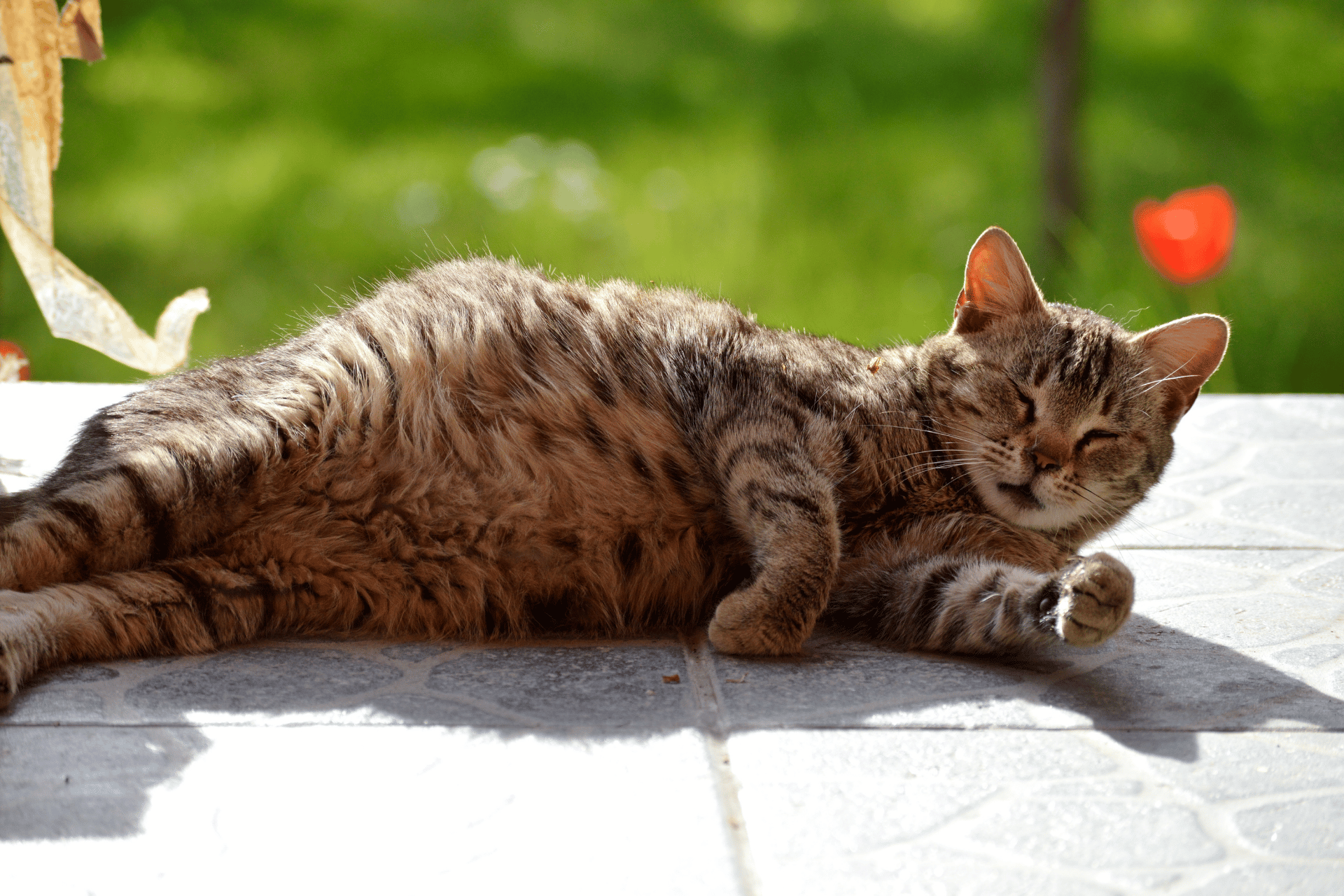
Cat pregnancy, also called feline gestation, lasts an average of 63-65 days from ovulation. The Cat Pregnancy Calculator generates a complete timeline from mating date to expected kittening date, including week-by-week developmental milestones, veterinary care checkpoints, and preparation reminders. Whether you are a first-time breeder, a rescue foster managing an unexpected litter, or an owner whose queen had an unplanned mating, this calculator helps you stay on top of every critical stage of feline pregnancy.
Use the table below to compare Feline Gestation: Key Facts.
| Measurement | Value | Notes |
|---|---|---|
| Average gestation length | 63-65 days from ovulation | Range: 58-70 days from first mating |
| Ovulation timing | 24-50 hours after mating stimulation | Cats are induced ovulators |
| Earliest kittening date | Day 58 from first mating | Premature kittens below this date rarely survive without intensive care |
| Latest normal kittening date | Day 70 from first mating | Beyond day 70 requires veterinary evaluation |
| Number of kittens (average) | 4-5 kittens per litter | Range: 1-10; breed and queen age affect this |
| Litters per year (maximum) | 2-3 biologically possible | 1-2 recommended for queen health in responsible programs |
| Age of first heat (queen) | 4-10 months | Varies by breed; earlier in warm, long-day environments |
Use the table below to compare Week-by-Week Cat Pregnancy Calendar.
| Week | Days Post-Mating | Fetal Development | Signs in Queen | Owner Actions |
|---|---|---|---|---|
| Week 1 | 1-7 | Fertilization; 2-cell to morula stage; journey to uterus | None visible | Continue normal diet; avoid medications unless essential |
| Week 2 | 8-14 | Blastocyst implants in uterine wall | Subtle restlessness possible; no physical signs | Minimize stress; no unnecessary handling |
| Week 3 | 15-21 | Embryo organogenesis; heartbeat detectable from day 16-21 | Nipple pinking begins (rosy color change); possible morning sickness | Vet ultrasound can confirm pregnancy; schedule appointment |
| Week 4 | 22-28 | Kittens clearly visible on ultrasound; facial features forming | Abdominal swelling begins; appetite increases | Transition to kitten food or high-quality pregnancy diet; increase feeding by 10% |
| Week 5 | 29-35 | Rapid fetal growth; coat coloration patterns established | Clear belly enlargement; movement may be palpable | Increase food by 25-50%; ensure ample fresh water; set up kittening area |
| Week 6 | 36-42 | Kittens fully formed in miniature; weight gain accelerates | Obvious large belly; nesting behavior begins; reduced activity | Prepare kittening box; gather supplies |
| Week 7 | 43-49 | Final organ development; skeletal calcification | Active kittening behaviors; queen seeks quiet space; lactation may begin early | X-ray for kitten count; check supplies; know emergency vet number |
| Week 8 | 50-56 | Kittens gaining weight and muscle mass rapidly | Queen very large; uncomfortable; increased urination | Whelping box fully prepared with clean bedding; monitor temperature |
| Week 9 | 57-65+ | Kittens fully term; lungs mature for air breathing | Temperature drop below 99F within 24 hrs of labor; loss of appetite; restlessness | Monitor temperature every 8-12 hrs; stay home; prepare colostrum record sheet |
The nutritional demands on a pregnant queen increase progressively through gestation, peaking dramatically during lactation when caloric needs can reach 2-3 times maintenance requirements.
| Stage | Caloric Need vs. Maintenance | Best Food Type | Feeding Frequency |
|---|---|---|---|
| Weeks 1-4 of pregnancy | +10-15% | High-quality kitten food or pregnancy diet | 2 meals/day |
| Weeks 5-9 of pregnancy | +25-50% | Kitten food or high-calorie adult diet | 3-4 meals/day; free choice feeding acceptable |
| Lactation (peak at 3-4 weeks) | +200-300% | Kitten food; free choice strongly recommended | Free choice feeding; she cannot eat enough at meals to meet needs |
| Weaning (4-8 weeks postpartum) | Gradually reducing | Transition back to adult food as kittens wean | 2-3 meals/day; reduce as lactation demand drops |
Use the table below to compare Newborn Kitten Care: First Week.
| Day | Normal Weight | Daily Weight Gain Target | Key Care Points |
|---|---|---|---|
| Day 1 (birth) | 90-120g for average breed | N/A - baseline | Ensure colostrum intake within 12-24 hours; essential for antibody transfer |
| Day 2-3 | Check individual weight | 5-10% per day | Any kitten losing weight needs supplemental feeding immediately |
| Day 4-7 | 140-180g typical | Continue 5-10% gain | Eyes and ears still closed; entirely dependent on queen for warmth |
| Week 2 | 200-250g typical | Continued gain | Eyes begin opening day 7-10; ears open at 2 weeks |
| Week 3-4 | 300-400g typical | Continued gain | Begin offering gruel (wet food + kitten milk replacer); socialization starts |
Yes. A spay surgery (ovariohysterectomy) performed during pregnancy terminates the pregnancy. This is a legitimate option for stray or unowned cats, or for owners who do not want to proceed with the pregnancy. The procedure is more complex later in pregnancy. Discuss timing urgently with your vet if this is being considered.
Ultrasound from day 16-21 confirms pregnancy but is not always accurate for counting kittens. An X-ray after day 45-50, when fetal skeletons are calcified, is the most accurate way to count expected kittens. This information helps you know when the last kitten has been delivered during labor.
Not yet. Kittening from day 60-65 is completely normal. Begin taking temperature twice daily. If you reach day 67-68 with no temperature drop or labor signs, contact your vet. Beyond day 70 is considered overdue and warrants immediate veterinary attention.
Yes, completely normal. Queens instinctively consume the placentas, likely to hide evidence of birth from predators and to recover some nutrients. However, consuming more than 2-3 placentas can cause vomiting and diarrhea. Discreetly remove extras if the litter is large.
Note: Cat pregnancy timing is estimated. Veterinary care can help confirm progress and support the mother and kittens.
Continue with Cat Breeding Calculator, Cat Weight Calculator (BMI), MER Calculator for Cats for the next practical step.
Calculate your cat's optimal breeding window based on her heat cycle. Track estrus stages and plan mating dates with our free feline breeding calculator.
Use Calculator
Check if your cat is a healthy weight using our BMI and body condition calculator. Includes breed-specific weight ranges and obesity health risk info.
Use Calculator
Calculate how many calories your cat needs each day. Based on weight, age, and activity level using the veterinary MER formula. Free and accurate.
Use Calculator