
Feline Stress Calculator
Find out if your cat is stressed using behavioral and physical indicators. Get a stress score and actionable tips to help your cat feel safe and relaxed.
Start AssessmentCalculate how much cat litter you need monthly based on the number of cats and litter type. Includes the n+1 litter box rule and cost-per-month estimates.
Enter the details requested in Cat Litter Calculator, then review the estimate as a practical starting point for the decision you are making.
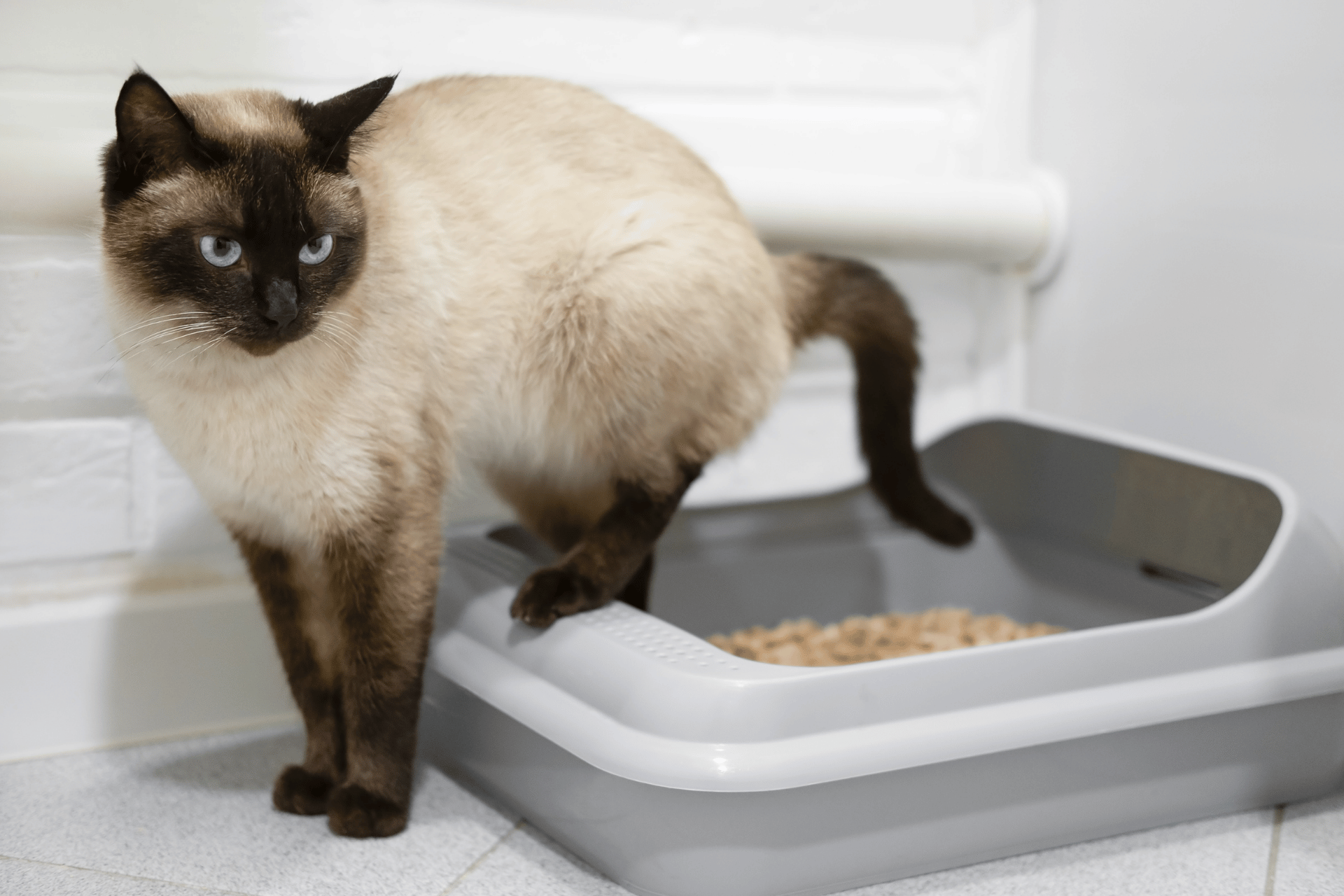
Managing cat litter effectively requires knowing how much to buy, how often to change it, how many boxes to maintain, and which type works best for your cats. The Cat Litter Calculator takes the guesswork out of litter management by estimating your monthly litter usage based on the number of cats, litter type, scooping frequency, and full-change schedule. This helps you budget accurately, reduce waste, maintain a hygienic environment that your cats will reliably use, and prevent litter box avoidance - one of the most common behavioral complaints among cat owners.
The industry standard recommendation from the American Association of Feline Practitioners (AAFP) is the N+1 rule: maintain at least one more litter box than the number of cats in the household.
| Number of Cats | Minimum Litter Boxes (N+1) | Recommended (for maximum compliance) | Box Placement Notes |
|---|---|---|---|
| 1 cat | 2 boxes | 2-3 boxes | At least one per floor level |
| 2 cats | 3 boxes | 3-4 boxes | Spread across different areas of home |
| 3 cats | 4 boxes | 4-5 boxes | Avoid clustering all boxes in one room |
| 4 cats | 5 boxes | 5-6 boxes | Particularly important in multi-level homes |
| 5 cats | 6 boxes | 7-8 boxes | Consider automatic/self-cleaning boxes for large households |
Use the table below to compare Monthly Litter Usage by Cat Count and Type.
| Litter Type | Usage Per Cat Per Month | 2 Cats/Month | 3 Cats/Month | Cost Per Month (Approx.) |
|---|---|---|---|---|
| Clumping clay (standard) | 20-25 lbs | 40-50 lbs | 60-75 lbs | $20-40 for 2 cats |
| Clumping clay (low dust) | 18-22 lbs | 36-44 lbs | 54-66 lbs | $25-45 for 2 cats |
| Silica crystal/gel | 4-5 lbs | 8-10 lbs | 12-15 lbs | $20-35 for 2 cats |
| Natural/biodegradable (wood, corn, wheat) | 15-20 lbs | 30-40 lbs | 45-60 lbs | $25-55 for 2 cats |
| Paper pellets | 20-25 lbs | 40-50 lbs | 60-75 lbs | $20-40 for 2 cats |
| Pine pellets | 20-25 lbs | 40-50 lbs | 60-75 lbs | $15-30 for 2 cats |
Use the table below to compare Litter Types Compared.
| Litter Type | Clumping? | Odor Control | Dust Level | Tracking | Eco-Friendly | Best For |
|---|---|---|---|---|---|---|
| Clay clumping | Yes | Good | Medium-high | Medium | No | Most cats; most owners |
| Silica crystal | No | Excellent (absorbs moisture) | Very low | Very low | Moderate | Owners wanting less frequent scooping |
| Wood/pine pellets | Some | Excellent (natural pine odor) | Very low | Low | Yes | Eco-conscious owners; cats that tolerate texture |
| Corn/wheat based | Yes | Good | Low | Medium | Yes | Homes with babies or allergic owners |
| Paper pellets | No | Moderate | None | Very low | Yes | Post-surgery recovery; declawed cats; kittens |
| Tofu/soy | Yes | Good | Very low | Low | Yes | Eco-conscious; flushable option |
| Walnut shell | Yes | Good | Low | Low | Yes | Alternative for dust-sensitive cats or owners |
Use the table below to compare Litter Box Maintenance Schedule.
| Task | Frequency | Why It Matters |
|---|---|---|
| Scoop solid waste and clumps | At least once daily (twice daily ideal) | Cats refuse dirty boxes; litter box avoidance is leading reason for house soiling |
| Add fresh litter | As needed to maintain 3-4 inch depth | Adequate depth allows proper burying; prevents splashing |
| Full litter replacement | Every 2-4 weeks for clumping; every 1-2 weeks for non-clumping | Bacteria and ammonia accumulate even with scooping |
| Box washing | Monthly minimum with unscented soap | Residual odors repel cats; avoid strong scents |
| Box replacement | Every 1-2 years | Scratches harbor bacteria that cannot be cleaned |
| Liner replacement | If liners are used: each full change | Liners trap odors; some cats dislike them entirely |
Most cats prefer 3-4 inches of litter depth. This provides enough material for digging and covering. Some cats prefer up to 5 inches. Less than 2 inches is inadequate and often leads to box avoidance, particularly in cats that are enthusiastic diggers.
Unscented or very lightly scented. Cats have approximately 200 million scent receptors compared to our 5 million. Strongly scented litters are overwhelming and aversive to most cats. The smell that offends owners (ammonia) is best managed through daily scooping and frequent full changes, not by masking with perfume.
Technically possible but not ideal. A second box gives the cat an option if one becomes dirty, and ensures a clean option is always available. Studies show cats with more boxes available are more likely to use them consistently.
The box should be at least 1.5 times the length of your cat from nose to tail base. Most standard commercial boxes at 14 x 18 inches are too small for large cats like Maine Coons or male DSH cats over 12 pounds. Sterilite storage containers make excellent large litter boxes.
Note: Litter use depends on box size, litter type, cleaning routine, number of cats, and your cat's habits.
Continue with Feline Stress Calculator, Fe-BARQ: Feline Behavioral Assessment & Research Questionnaire, Costs of Owning a Pet Calculator for the next practical step.
Find out if your cat is stressed using behavioral and physical indicators. Get a stress score and actionable tips to help your cat feel safe and relaxed.
Start Assessment
Use the Fe-BARQ questionnaire to assess your cat's behavior across key dimensions. Understand aggression, fearfulness, and social traits with a scored profile.
Start Assessment
Find out how much it costs to own a cat per year. Covers food, litter, vet care, grooming, and emergency expenses for indoor and outdoor cats.
Use Calculator