

Glasgow Pain Score Calculator
Assess your dog's pain level using the Glasgow Composite Pain Scale. Score behavioral indicators to determine severity and know when to seek vet care.
Start AssessmentThe Dog Dementia Tool helps owners review common signs linked with canine cognitive decline, including changes in sleep, orientation, interaction, activity, anxiety, and house soiling. It gives a structured score so senior dog behavior changes are easier to track and compare over time.
Answer each question based on what you have noticed recently, not only one unusual day. Use the result to record patterns, monitor changes, and decide whether the signs are becoming frequent enough to discuss with your veterinarian.
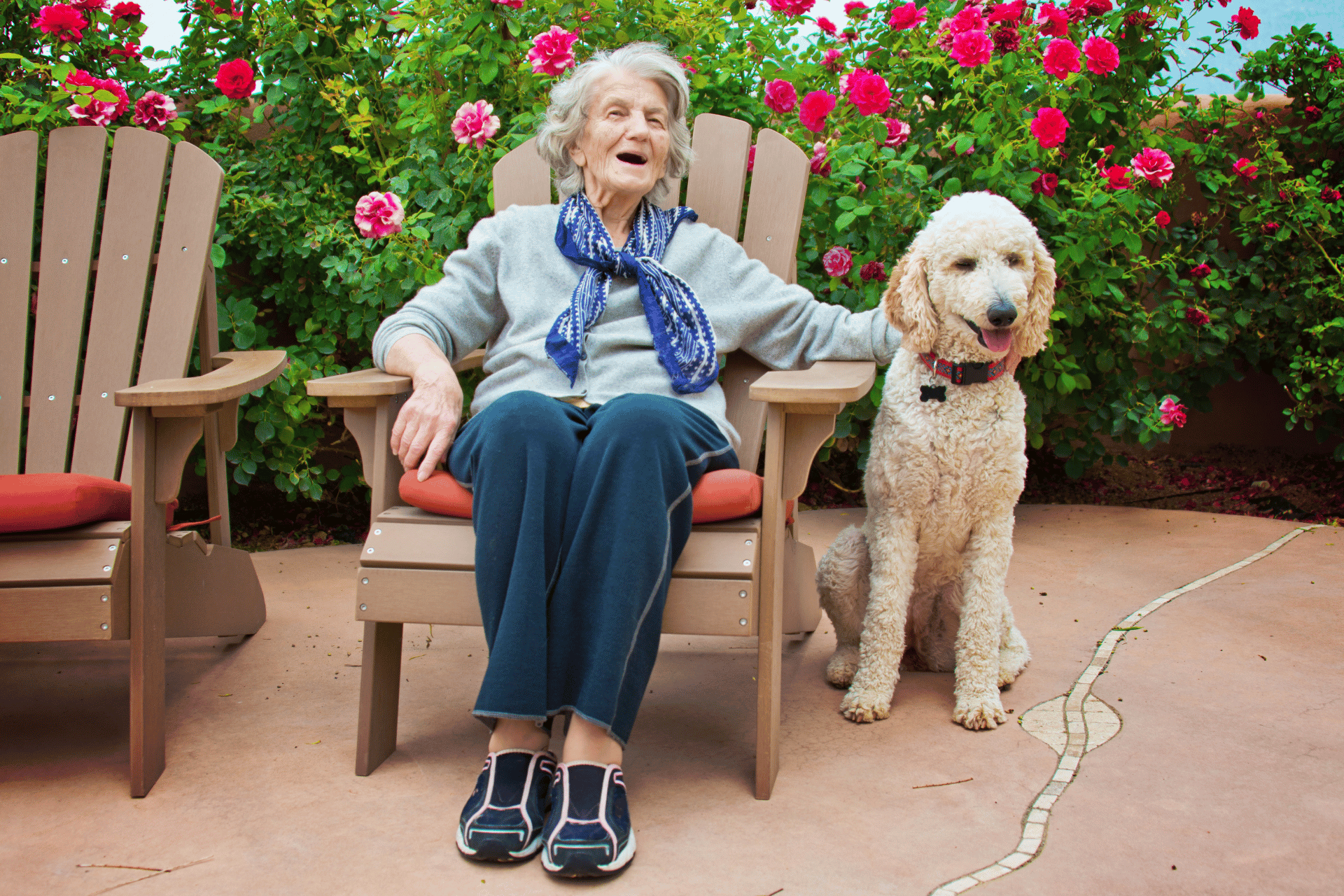
Canine Cognitive Dysfunction Syndrome (CDS), often called dog dementia, is a progressive neurodegenerative condition that affects the brain function of aging dogs, closely analogous to Alzheimer's disease in humans. It is one of the most underdiagnosed conditions in veterinary medicine: studies suggest that 28% of dogs aged 11-12 years and 68% of dogs aged 15-16 years show at least one sign of cognitive dysfunction, yet fewer than 2% of these cases are identified by owners and reported to veterinarians. The Dog Dementia Tool uses the validated DISHAA (Disorientation, Interaction, Sleep-Wake Changes, House Soiling, Activity Level, Anxiety) framework to screen your dog for CDS symptoms and generate a score that indicates symptom severity.
Use the table below to compare The DISHAA Framework for CDS.
| Category | What It Assesses | Examples of Signs |
|---|---|---|
| D - Disorientation | Spatial confusion, memory loss | Getting stuck in corners, not recognizing familiar people/places, staring into space |
| I - Interaction changes | Social behavior changes | Decreased interest in interaction; excessive clinginess; aggression where previously friendly |
| S - Sleep-Wake cycle | Disrupted day-night schedule | Nighttime restlessness, pacing, vocalization; sleeping during the day; insomnia |
| H - House soiling | Loss of learned housetraining | Indoor accidents despite long housetraining history; not signaling to go out |
| A - Activity changes | Altered activity and exploration | Reduced interest in play; repetitive behaviors; pacing; less exploration |
| A - Anxiety | Increased fearfulness | New phobias; separation anxiety; general restlessness; trembling |
Use the table below to compare CDS Severity Classification.
| Severity | DISHAA Score | Signs Present | Recommended Actions |
|---|---|---|---|
| Subclinical | 1-3 | Subtle, infrequent signs in 1-2 categories | Annual cognitive assessment; consider baseline bloodwork to rule out other causes |
| Mild | 4-7 | Occasional signs in 2-3 categories; not affecting quality of life significantly | Veterinary assessment; cognitive enrichment; dietary supplements discussion |
| Moderate | 8-12 | Regular signs in 3-4 categories; noticeable impact on daily routines | Veterinary diagnosis; prescription medications discussion (selegiline/propentofylline); structured environment |
| Severe | 13+ | Frequent signs across 5-6 categories; significantly impaired quality of life | Veterinary referral; comprehensive treatment plan; quality of life assessment |
Many of the signs of CDS overlap with other medical conditions. Before diagnosing CDS, veterinarians must rule out:
| Condition | CDS Symptom Overlap | Key Distinguishing Test |
|---|---|---|
| Hypothyroidism | Lethargy, dullness, weight gain | Thyroid panel (T4 test) |
| Brain tumor | Disorientation, behavior changes, seizures | MRI of brain |
| Hypertension | Behavior changes, possible blindness | Blood pressure measurement |
| Chronic pain (arthritis) | Night restlessness, house soiling (reluctance to go outside) | Physical exam, X-rays, pain scale assessment |
| Hearing or vision loss | Startling, not responding, disorientation | Physical exam; BAER test for hearing; ophthalmology exam |
| Kidney or liver disease | Confusion, incontinence, behavior changes | Complete blood panel, urinalysis |
Use the table below to compare Medical and Nutritional Support.
| Treatment | Type | Evidence Level | Notes |
|---|---|---|---|
| Selegiline (Anipryl) | Prescription medication | FDA-approved for CDS in dogs | MAO-B inhibitor; increases dopamine; most effective in mild-moderate cases |
| Propentofylline | Prescription (outside US) | European approval; good evidence | Improves cerebral blood flow; alertness improvement common |
| Diet with antioxidants (e.g., Hill's b/d) | Therapeutic diet | Moderate evidence | Contains antioxidants, omega-3s, and medium-chain triglycerides |
| Medium-chain triglycerides (MCT oil) | Supplement | Moderate evidence - promising | Provides alternative brain fuel; improves cognition in several studies |
| Melatonin | Supplement | Low-moderate | Helps regulate sleep-wake cycle; reduces nighttime restlessness |
| SAMe (S-adenosyl methionine) | Supplement | Moderate | Supports cognitive function; often combined with selegiline |
CDS is considered the canine analog of human Alzheimer's disease. Both involve accumulation of beta-amyloid plaques in the brain, progressive cognitive decline, and similar behavioral changes. Dogs are actually used as a natural animal model in Alzheimer's research for this reason.
CDS is a progressive, degenerative condition and cannot be reversed. However, its progression can be significantly slowed with early intervention, cognitive enrichment, appropriate medications, and dietary support. Some dogs show meaningful improvement in symptom severity with treatment.
Screening should begin at age 7-8 for large and giant breeds and age 10-11 for small breeds. This is when subclinical CDS commonly begins. Annual cognitive screening at wellness exams is recommended from these ages so that subtle changes are caught early when interventions are most effective.
Note: Senior dog behaviour changes may relate to ageing, pain, sensory changes, or health conditions, so tracking patterns can help with veterinary discussions.
Continue with Glasgow Pain Score Calculator, Canine Stress Calculator, Dog Personality Questionnaire (DPQ) for the next practical step.
Assess your dog's pain level using the Glasgow Composite Pain Scale. Score behavioral indicators to determine severity and know when to seek vet care.
Start Assessment
Score your dog's stress level using behavioral and physical signs. Understand what triggers canine anxiety and learn how to help your dog feel calmer.
Start Assessment
Take the Dog Personality Questionnaire to learn your dog's unique traits. Based on validated canine behavioral research for accurate, meaningful results.
Start Assessment