

Dog & Cat Food Calculator: Your Pet Feeding Guide
Calculate the right daily food portion for your dog based on weight, age, and activity level. Supports dry, wet, and mixed feeding for accurate portions.
Use CalculatorCompare pet food brands side by side on protein, fat, calories, and ingredients. Find the best value and nutrition for your dog or cat.
Enter both options in Dog Food and Cat Food Comparison Tool and compare them side by side. Use the result to see which differences deserve a closer look before you decide.
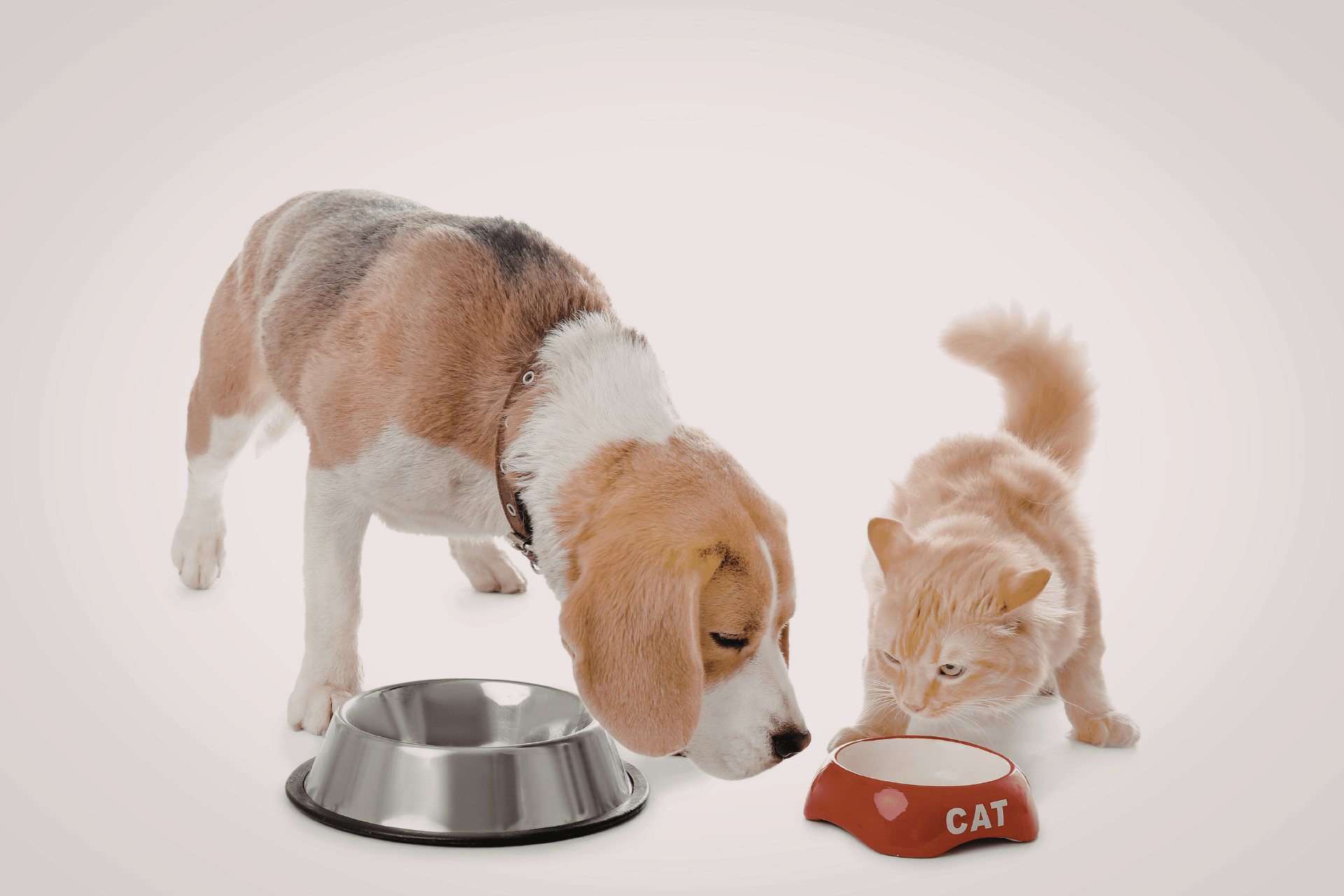
Choose dog or cat first, then enter the details that match your pet's species, weight, routine, and current situation.
The pet food market is one of the most confusing consumer categories, with thousands of products, overlapping marketing claims, and nutritional labels that require expertise to interpret correctly. The Dog Food and Cat Food Comparison Tool helps you evaluate two or more pet food products side by side on the metrics that actually matter: protein content on a dry matter basis, fat-to-protein ratio, calorie density, carbohydrate content, ingredient quality, and AAFCO nutritional adequacy statement. Marketing terms like 'grain-free,' 'natural,' 'holistic,' and 'premium' are not regulated and carry no legal nutritional meaning - this tool cuts through those claims to the actual numbers.
Every comparison must begin by converting all nutrient percentages to dry matter (DM) basis to account for moisture differences between foods. A wet food with 10% protein and 78% moisture has a very different dry matter protein content than a dry food with 10% protein and 10% moisture.
DM% = (nutrient as-fed% / (100 - moisture%)) x 100
Use the table below to compare Step 2: Compare Key Macronutrients on DM Basis.
| Macronutrient | Minimum Recommended (Dogs) | Minimum Recommended (Cats) | Notes |
|---|---|---|---|
| Protein (DM%) | 18% minimum (adult); 22% minimum (puppy) | 26% minimum (adult); 30% minimum (kitten) | Higher is generally better from animal sources |
| Fat (DM%) | 5.5% minimum | 9% minimum (obligate fat) | Essential; quality matters - named sources preferred |
| Carbohydrates (DM%) | No minimum (dogs can use) | No biological requirement | Lower is better for cats; high carb linked to obesity and diabetes in cats |
| Fiber | 2-5% typical | 1-4% typical | Important for digestive health; excessive fiber reduces nutrient density |
Use the table below to compare Red Flags and Green Flags in Pet Food Ingredients.
| Ingredient/Label Feature | Signal Type | Explanation |
|---|---|---|
| Named meat as first ingredient (e.g., chicken, salmon, beef) | Green flag | High-quality protein source clearly identified |
| Meat meal (e.g., chicken meal) | Generally positive | Concentrated protein source; higher protein per pound than whole meat |
| Generic meat meal (e.g., poultry by-product meal, meat and bone meal) | Yellow flag | Lower quality; source not transparent |
| Corn syrup or sugar added | Red flag | Unnecessary added sugar; serves palatability not nutrition |
| Artificial colors (Red 40, Yellow 5, Blue 2) | Red flag | No nutritional value; potential sensitivity risk |
| BHA, BHT, Ethoxyquin (preservatives) | Red flag | Synthetic preservatives with safety concerns; prefer tocopherols |
| Multiple named protein sources | Green flag | Amino acid diversity; lower risk of single-protein allergy |
| AAFCO complete and balanced statement for correct life stage | Green flag | Meets minimum nutritional requirements for stated life stage |
| Novel proteins (venison, duck, kangaroo) | Green flag for allergy-prone pets | Useful for elimination diets; generally high quality |
Use the table below to compare AAFCO Nutritional Adequacy Statement Explained.
| Statement Type | What It Means | Quality Implication |
|---|---|---|
| Formulated to meet AAFCO nutritional profiles for [life stage] | Calculated to meet minimums on paper | Adequate; does not prove palatability or real-world digestibility |
| Animal feeding tests using AAFCO procedures substantiate... | Actually fed to and tested in animals | Higher standard; proves the diet supports life in practice |
| For supplemental feeding only / not intended as a sole diet | Incomplete diet | Must be combined with other foods; not suitable as only food source |
| For intermittent or supplemental feeding | Incomplete / treat | Same as above; not a complete diet |
No, and it may be worse for some dogs. The FDA investigated a possible link between grain-free diets and dilated cardiomyopathy (DCM) in dogs between 2018-2020. While the link was not definitively proven, the investigation found an association with certain brands and ingredients (legume-heavy formulas). Dogs with no specific grain allergy or sensitivity do not benefit from grain-free diets. Cats, however, do better on lower-carbohydrate diets, which grain-free options sometimes provide.
Rotation feeding (periodically varying protein sources) can provide amino acid diversity, reduce the chance of developing a single-protein allergy, and increase palatability over time. However, each transition should be gradual (7-10 days). Rotation is more relevant for pet owners who want dietary variety; it is not necessary for all pets.
Note: Food comparisons are most useful when paired with your pet's age, health, calorie needs, and the feeding statement on the label.
Continue with Dog & Cat Food Calculator: Your Pet Feeding Guide, Calorie Content of Dog Food/Cat Food, Pawdi Pet Food Scanner for the next practical step.
Calculate the right daily food portion for your dog based on weight, age, and activity level. Supports dry, wet, and mixed feeding for accurate portions.
Use Calculator
Calculate the metabolizable energy (kcal ME) in any dog or cat food using the guaranteed analysis. Compare foods and control portions accurately.
Use Calculator
Check any pet food ingredient for safety concerns. Our database flags harmful additives, fillers, and allergens in dog and cat food labels.
Start Check