
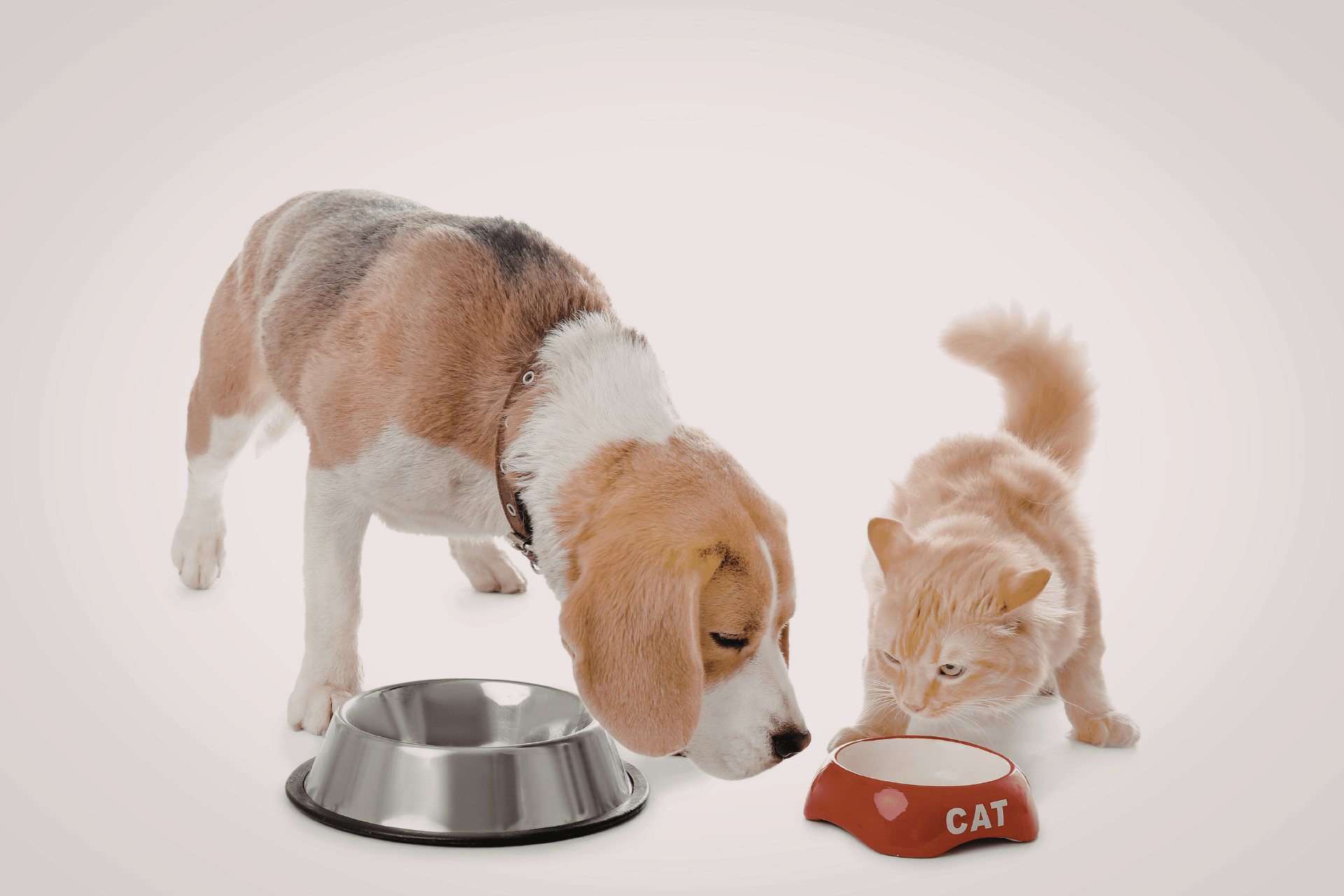
Dog Food and Cat Food Comparison Tool
Compare pet food brands side by side on protein, fat, calories, and ingredients. Find the best value and nutrition for your dog or cat.
Compare OptionsCheck any pet food ingredient for safety concerns. Our database flags harmful additives, fillers, and allergens in dog and cat food labels.
Add the item, symptom, or label term you want to review in Pawdi Pet Food Scanner, along with any timing or context you know. The result helps you organize the next question more clearly.

Choose dog or cat first, then enter the details that match your pet's species, weight, routine, and current situation.
Pawdi is a pet food ingredient analysis tool that helps owners make sense of pet food labels by breaking down ingredient quality, nutritional adequacy, and potential concerns in accessible, plain language. Pet food marketing is filled with terms like 'natural,' 'holistic,' 'human-grade,' and 'premium' that carry no regulatory definition and can obscure product quality. Pawdi-type tools complement the tools we have already covered - the Calorie Content Calculator, the Carbohydrate Calculator, and the Dog and Cat Food Comparison Tool - by adding ingredient-level transparency.
Ingredients are listed in descending order by pre-cooking weight. This is important because moisture content is included in the pre-cooking weight, which means whole meats (which contain 70-75% water) always appear near the top, while concentrated ingredients like meal and flour appear further down but may contribute significantly to the actual dry ingredient composition.
| Ingredient Type | Examples | Quality Signal | What to Look For |
|---|---|---|---|
| Named whole meat (1st ingredient) | Chicken, beef, salmon, turkey | Positive | Confirms primary protein source is identified animal protein |
| Named meat meal | Chicken meal, fish meal, turkey meal | Positive | Concentrated protein; higher protein per pound than whole meat |
| Unnamed meat sources | Poultry by-product meal, meat and bone meal | Moderate concern | Source unclear; quality variable |
| Whole grains | Brown rice, oatmeal, barley | Neutral-positive | Digestible carbohydrate source; better than refined grains |
| Legumes (grain-free) | Peas, lentils, chickpeas, potatoes | Neutral to scrutinize | FDA investigated in DCM link; not harmful if used as minor ingredient |
| Artificial preservatives | BHA, BHT, Ethoxyquin | Concern | Synthetic; prefer mixed tocopherols or ascorbic acid |
| Artificial colors | Red 40, Blue 2, Yellow 5 | Concern | Serve no nutritional purpose; potential sensitivity triggers |
| Added vitamins and minerals | Vitamin E supplement, zinc sulfate, etc. | Positive | Required to balance the diet; presence is expected and good |
| Omega-3 sources | Fish oil, salmon oil, flaxseed | Positive | Anti-inflammatory fatty acids; important addition |
Every complete pet food should have an AAFCO nutritional adequacy statement. The wording matters:
| Statement | Meaning | Which Is Better |
|---|---|---|
| Animal feeding tests using AAFCO procedures substantiate that [product] provides complete and balanced nutrition... | Food was actually fed to animals and tested in feeding trials; more rigorous standard | This statement; higher confidence in real-world adequacy |
| [Product] is formulated to meet the nutritional levels established by AAFCO... | Formulated on paper to meet minimum levels; not tested in animals | Adequate but less rigorous |
| This product is intended for intermittent or supplemental feeding only | NOT a complete diet - supplement or treat | NOT appropriate as sole diet |
Use the table below to compare Top Marketing Claims and What They Actually Mean.
| Marketing Term | Regulatory Definition | What It Really Means |
|---|---|---|
| Natural | AAFCO definition: no artificial flavors, colors, chemical preservatives | Not organic; not necessarily higher quality; widely applied |
| Holistic | No regulatory definition | Meaningless marketing term; not regulated |
| Human-grade | No regulatory definition in pet food | Only meaningful if food is manufactured in human-grade facility; rare |
| Grain-free | Simply free of grains; may still contain legumes as carb sources | Not inherently healthier; under FDA scrutiny for DCM association |
| Raw-coated or freeze-dried coated | Small amount of raw/freeze-dried sprayed on kibble surface | Minimal nutritional impact from coating; primarily palatability claim |
| Limited ingredient | Reduced ingredient list; not a regulatory standard | May help with allergy management if protein source is novel |
Not necessarily. Price does not reliably correlate with nutritional quality or research investment. Some premium-priced boutique brands have been involved in the FDA DCM investigation. Some moderately priced foods from major manufacturers (Hill's, Royal Canin, Purina Pro Plan) have extensive research backing and feeding trial data. Evaluate based on AAFCO statement, ingredient quality, and whether the manufacturer employs board-certified veterinary nutritionists.
Only if the manufacturer can verify the entire product is made in a human-food-grade facility, which is rare. Most 'human-grade' claims on pet food packaging are marketing, not regulatory fact. The presence of high-quality, named ingredients and rigorous feeding trial testing are more meaningful quality indicators.
Note: Ingredient concerns depend on species, amount, recipe, health needs, and full diet context.
Continue with Dog Food and Cat Food Comparison Tool, Dog & Cat Food Calculator: Your Pet Feeding Guide, Dog Poison Checker for the next practical step.
Compare pet food brands side by side on protein, fat, calories, and ingredients. Find the best value and nutrition for your dog or cat.
Compare Options
Calculate the right daily food portion for your dog based on weight, age, and activity level. Supports dry, wet, and mixed feeding for accurate portions.
Use Calculator
Search our pet poison database to check if a food, plant, or substance is toxic to dogs or cats. Includes emergency steps and poison control contacts.
Start Check