
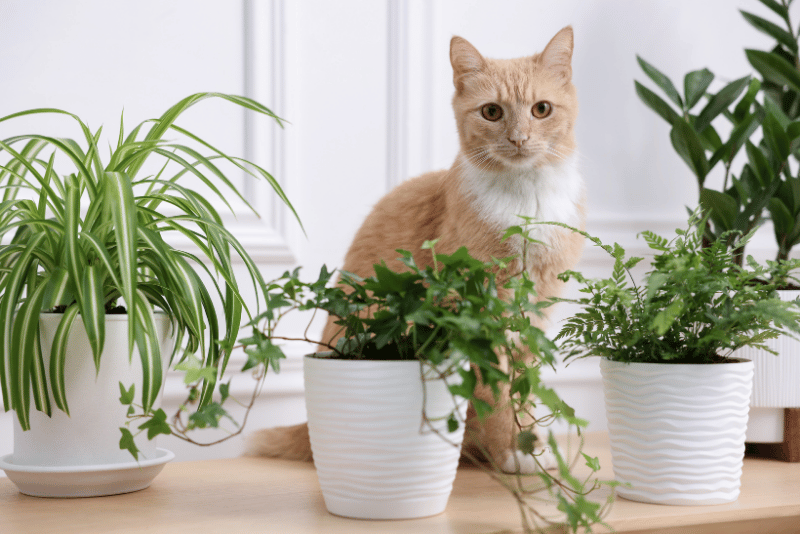
Toxic and Non-Toxic Plants
Check if a plant is toxic to your dog or cat. Browse our database of common houseplants and outdoor plants with toxicity levels and safe alternatives.
Start CheckSearch our pet poison database to check if a food, plant, or substance is toxic to dogs or cats. Includes emergency steps and poison control contacts.
Add the item, symptom, or label term you want to review in Dog Poison Checker, along with any timing or context you know. The result helps you organize the next question more clearly.

This checker keeps dogs as the primary focus. Some listed hazards can also affect cats, so use species-specific veterinary advice when the exposure involves a cat.
Accidental poisoning is one of the most common emergency situations dog owners face. Many household substances, plants, foods, and medications that appear harmless are in fact significantly toxic to dogs. The Dog Poison Checker is a comprehensive reference that categorizes common toxins by severity, describes symptoms, and provides clear guidance on when to seek emergency care. For any suspected poisoning, calling the ASPCA Animal Poison Control Center (888-426-4435) or your veterinarian immediately is always the right first step.
Use the table below to compare Toxicity Classification System.
| Level | Description | Action Required |
|---|---|---|
| Level 1 - Minimal | Unlikely to cause serious harm at typical exposure amounts; possible mild GI upset | Monitor at home; call vet if symptoms develop |
| Level 2 - Low | May cause significant GI upset; unlikely to be life-threatening in small amounts | Call vet for guidance; monitor closely for 24 hours |
| Level 3 - Moderate | Can cause serious illness; veterinary care recommended | Veterinary visit within 1-4 hours |
| Level 4 - High | Can cause severe illness or death; dose-dependent | Emergency vet immediately |
| Level 5 - Extreme | Life-threatening at any dose; even trace amounts dangerous | Emergency vet - call while traveling there |
Use the table below to compare Common Food Toxins.
| Food | Toxicity Level | Toxic Compounds | Key Symptoms |
|---|---|---|---|
| Chocolate | Level 3-5 (dose-dependent) | Theobromine, caffeine | Vomiting, tremors, seizures, arrhythmia |
| Grapes and raisins | Level 5 | Unknown mechanism | Acute kidney failure; no safe dose established |
| Xylitol (sugar substitute) | Level 5 | Xylitol | Severe hypoglycemia; liver failure |
| Macadamia nuts | Level 3 | Unknown | Weakness, vomiting, hyperthermia, tremors |
| Onions/garlic/chives | Level 3-4 | Organosulfides | Hemolytic anemia; delayed 2-7 days |
| Alcohol | Level 3-4 | Ethanol | CNS depression, hypothermia, respiratory failure |
| Avocado (fruit/pit/leaves) | Level 2-3 | Persin | Vomiting, diarrhea; pit causes obstruction |
| Caffeine | Level 3-4 | Caffeine | Tremors, seizures, cardiac arrhythmia |
| Raw yeast dough | Level 3 | Ethanol, gas expansion | Bloat, alcohol toxicity |
| Nutmeg | Level 3 | Myristicin | Hallucinations, tremors, seizures |
Use the table below to compare Household and Medication Toxins.
| Toxin | Toxicity Level | Comments |
|---|---|---|
| Ibuprofen/naproxen (Advil/Aleve) | Level 5 | GI ulceration, kidney failure; one tablet can kill a small dog |
| Acetaminophen (Tylenol) | Level 5 (cats), Level 4 (dogs) | Liver failure; methemoglobinemia |
| Vitamin D supplements (high dose) | Level 4 | Hypercalcemia; kidney and cardiac damage |
| Iron supplements | Level 4 | GI bleeding, liver damage |
| Prescription sleep aids/anxiety meds | Level 3-4 | CNS depression, respiratory depression |
| Antifreeze (ethylene glycol) | Level 5 | Sweet taste; causes irreversible kidney failure; 1 tsp lethal to cats |
| Rodent bait (brodifacoum/warfarin) | Level 4-5 | Anticoagulation; internal bleeding; delayed onset 3-5 days |
| Zinc (pennies minted after 1982) | Level 4 | Hemolytic anemia; ingestion of pennies is a common emergency |
Use the table below to compare Toxic Plants.
| Plant | Toxicity Level | Symptoms |
|---|---|---|
| Sago palm (all parts, especially seeds) | Level 5 | Liver failure; even 1-2 seeds can be fatal |
| Oleander | Level 5 | Cardiac arrhythmia, death |
| Lily of the valley | Level 5 | Cardiac glycosides; arrhythmia |
| Foxglove | Level 5 | Cardiac glycosides |
| Yew (Taxus) | Level 5 | Cardiac toxicity; rapid onset |
| Mushrooms (wild, unknown species) | Level 1-5 | Amanita species: liver failure |
| Azalea/Rhododendron | Level 3-4 | GI signs, cardiovascular effects, neurological |
| Peace lily | Level 2-3 | Oral irritation; GI upset; NOT the same as true lilies which cause kidney failure in cats |
| Autumn crocus | Level 4-5 | Multi-organ failure; bloody vomiting/diarrhea |
Grapes and raisins cause acute kidney failure in some dogs but not all, and the reason why some dogs are affected and others are not is still not understood. There is no known safe dose. The toxin responsible has not been definitively identified. Tartaric acid (naturally high in grapes) is currently the leading suspect. Because even small amounts have caused kidney failure in some dogs, any grape or raisin ingestion warrants a call to poison control.
The ASPCA Poison Control Center (888-426-4435) is a 24-hour resource staffed by veterinary toxicologists. There is a consultation fee (approximately $95). They maintain the largest animal poisoning database in the world and can advise on expected symptoms, treatment, and urgency for thousands of toxins.
Note: Poison risk depends on item, amount, pet size, and symptoms. If you are unsure what your pet ate, ask a veterinary professional for case-specific advice.
Continue with Toxic and Non-Toxic Plants, Chocolate Toxicity Calculator for Dogs, Xylitol Toxicity Calculator for Dogs for the next practical step.
Check if a plant is toxic to your dog or cat. Browse our database of common houseplants and outdoor plants with toxicity levels and safe alternatives.
Start Check
Enter your dog's weight and the amount of chocolate eaten to find out if it's toxic. Know when to call your vet or go to an emergency clinic.
Start Check
Determine if your dog consumed a dangerous amount of xylitol. Enter their weight and the product eaten to assess toxicity risk and get emergency steps.
Start Check