

Dog Poison Checker
Search our pet poison database to check if a food, plant, or substance is toxic to dogs or cats. Includes emergency steps and poison control contacts.
Start CheckCheck if a plant is toxic to your dog or cat. Browse our database of common houseplants and outdoor plants with toxicity levels and safe alternatives.
Add the item, symptom, or label term you want to review in Toxic and Non-Toxic Plants, along with any timing or context you know. The result helps you organize the next question more clearly.
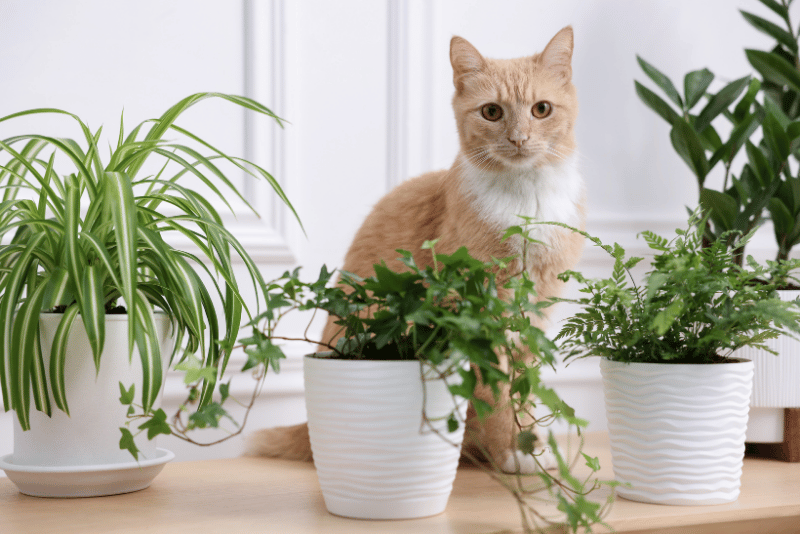
Choose dog or cat first, then enter the details that match your pet's species, weight, routine, and current situation.
Plants are a leading cause of pet poisoning calls to the ASPCA Animal Poison Control Center, yet many plant toxicities are entirely preventable with awareness. The Toxic and Non-Toxic Plants database helps pet owners identify which plants in their home, garden, or local environment pose a risk to their dogs and cats, and provides safe alternatives for plant-loving households. The ASPCA maintains the most comprehensive toxic plant database at aspca.org/pet-care/animal-poison-control/toxic-and-non-toxic-plants.
Use the table below to compare Highly Toxic Plants: Immediate Veterinary Emergency.
| Plant | Toxic To | Toxic Parts | Clinical Effects | Minimum Action |
|---|---|---|---|---|
| Sago palm (Cycas revoluta) | Dogs and cats | All parts; seeds most toxic | Liver failure; neurological; vomiting, jaundice, seizures, death | Emergency vet immediately - one seed can kill |
| Lily species (Lilium and Hemerocallis genera) | CATS SPECIFICALLY - extremely toxic | All parts including pollen and water | Acute kidney failure; even small amounts fatal to cats | Emergency vet immediately |
| Oleander (Nerium oleander) | Dogs and cats | All parts | Cardiac glycoside toxicity; arrhythmia, death | Emergency vet immediately |
| Yew (Taxus species) | Dogs and cats | All parts except flesh of berry | Cardiac toxicity; sudden death | Emergency vet immediately |
| Foxglove (Digitalis purpurea) | Dogs and cats | All parts | Cardiac glycosides; vomiting, arrhythmia, death | Emergency vet immediately |
| Autumn crocus (Colchicum autumnale) | Dogs and cats | All parts | Multi-organ failure; bloody vomiting, bone marrow suppression | Emergency vet immediately |
| Castor bean (Ricinus communis) | Dogs and cats | Seeds (highest), all parts | Ricin toxin; severe GI, multi-organ failure, death | Emergency vet immediately |
Use the table below to compare Moderately Toxic Plants.
| Plant | Toxic To | Symptoms | Action |
|---|---|---|---|
| Azalea and Rhododendron | Dogs and cats | GI signs, cardiovascular effects, neurological | Call vet; emergency care if significant ingestion |
| Peace lily (Spathiphyllum) | Dogs and cats (NOTE: not a true lily - different toxicity than Lilium) | Oral irritation, drooling, GI upset - NOT kidney failure | Call vet; monitor; much lower risk than true lilies |
| Dieffenbachia (Dumb Cane) | Dogs and cats | Oral burning, excessive drooling, difficulty swallowing | Call vet; flush mouth; rarely fatal but painful |
| Philodendron | Dogs and cats | Oral irritation, drooling, vomiting | Call vet; monitor; insoluble calcium oxalates |
| Pothos | Dogs and cats | Oral irritation, drooling, vomiting | Call vet; calcium oxalate crystals |
| Tulip bulbs | Dogs and cats | GI upset, central nervous system effects | Call vet; bulbs more toxic than flowers |
| Aloe vera | Dogs and cats | Vomiting, diarrhea, lethargy | Call vet; generally not life-threatening but unpleasant |
Use the table below to compare Safe Plants for Pet Households.
| Safe Plant | Safe For | Notes |
|---|---|---|
| Spider plant (Chlorophytum comosum) | Dogs and cats | Very low toxicity; cats may eat leaves causing mild GI upset but not toxic |
| Boston fern (Nephrolepis exaltata) | Dogs and cats | Non-toxic; a safe hanging plant choice |
| Areca palm (Dypsis lutescens) | Dogs and cats | Non-toxic; popular indoor palm |
| Calathea / Prayer plant | Dogs and cats | Non-toxic; excellent for low-light spaces |
| Orchid (Phalaenopsis) | Dogs and cats | Non-toxic; common household orchid is safe |
| African violet (Saintpaulia) | Dogs and cats | Non-toxic; colorful and pet-safe |
| Bamboo (true bamboo) | Dogs and cats | Non-toxic; NOTE: Lucky bamboo is Dracaena - moderately toxic to cats |
| Catnip | Cats (and dogs - just less exciting) | Safe; obviously attractive to most cats |
| Herbs: basil, rosemary, thyme, sage | Dogs and cats | Non-toxic in culinary amounts; great kitchen herbs |
A true lily (Lilium or Hemerocallis species) ingestion in a cat is a critical emergency regardless of the amount - even licking pollen from a vase or chewing a leaf can cause acute kidney failure. Go to an emergency vet immediately without waiting for symptoms. Early treatment (within 6-18 hours) dramatically improves prognosis; treatment after kidneys have failed has very poor outcomes.
Aloe vera gel applied topically is safe and used therapeutically. However, the inner leaf latex and the whole plant when ingested can cause vomiting, diarrhea, and lethargy. It is generally considered mildly to moderately toxic by ingestion. Not a life-threatening emergency in most cases but warrants a call to your vet.
Note: Plant effects vary by species, amount eaten, pet size, and symptoms. If you are unsure what your pet ate, contact a veterinary professional.
Continue with Dog Poison Checker, Pawdi Pet Food Scanner, PetMD Symptom Checker for the next practical step.
Search our pet poison database to check if a food, plant, or substance is toxic to dogs or cats. Includes emergency steps and poison control contacts.
Start Check
Check any pet food ingredient for safety concerns. Our database flags harmful additives, fillers, and allergens in dog and cat food labels.
Start Check
Check your pet's symptoms and get guidance on possible causes and urgency. Covers dogs and cats with emergency warning signs clearly flagged.
Start Check