
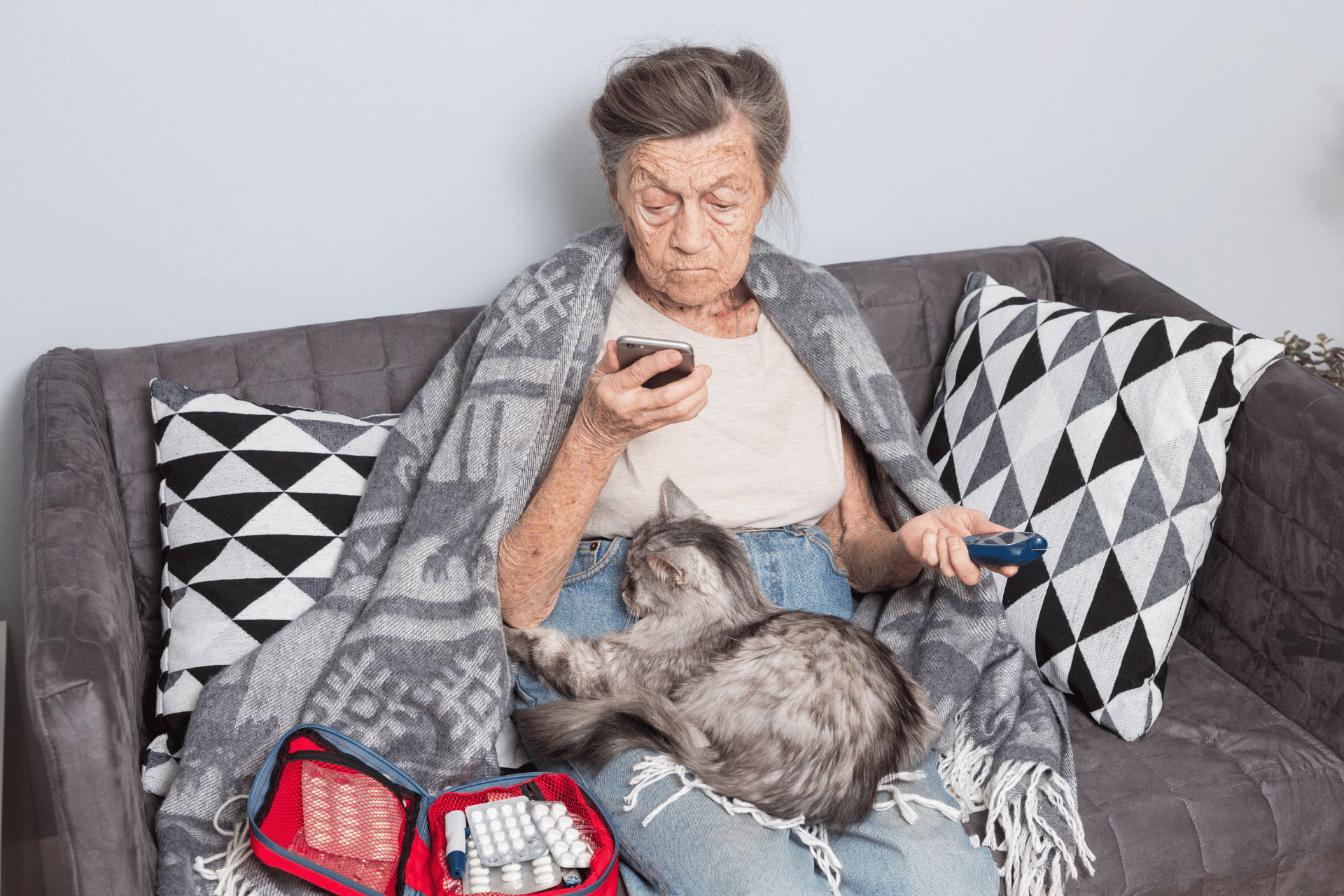
Blood Glucose Curve Generator
Generate a glucose curve for your diabetic cat by entering home blood glucose readings. Identify trends and share results with your vet.
Open TrackerEnter your diabetic dog's blood glucose readings to generate a glucose curve. Identify nadir, peak, and insulin regulation patterns at home.
Record the current measurement or event details in Glucose Curve Calculator. The result turns them into a clearer log so changes are easier to compare over time.
The Glucose Curve Calculator is designed to help diabetic pet owners and veterinary professionals generate and interpret a complete blood glucose curve from serial measurements taken throughout the day. While this tool applies to both dogs and cats, it is particularly critical for managing feline diabetes, where home glucose monitoring has become the standard of care recommended by the ISFM and AAFP. Regular glucose curves provide insight into how well the current insulin regimen is working, identify the nadir and duration of insulin action, and guide evidence-based dose adjustments.
This calculator is closely related to the Blood Glucose Curve Generator (calculator 3) but focuses specifically on generating and reading a complete multi-point curve with statistical interpretation.
Use the table below to compare When to Run a Glucose Curve.
| Situation | Timing | Why |
|---|---|---|
| New diabetes diagnosis | After first 5-7 days on insulin | Establish baseline response to starting dose |
| After any dose change | 7-10 days after the change | Allow new dose to reach steady-state effect |
| Stable, well-regulated pet | Every 3-6 months | Confirm continued regulation; detect drift before symptoms develop |
| Clinical signs return | Immediately | Increased thirst, urination, weight loss suggest inadequate control |
| Concurrent illness | During and 1-2 weeks after | Illness causes insulin resistance; regulation often deteriorates temporarily |
Use the table below to compare Full Curve Protocol: 12 Data Points.
| Time Point | When to Sample | Expected Glucose Range | Notes |
|---|---|---|---|
| Time 0 | Before insulin and meal | 150-300 mg/dL (cats); 100-250 mg/dL (dogs) | Pre-injection baseline; should be modestly elevated in regulated diabetic |
| T+1h | 1 hour post-injection | Slight drop beginning | Glucose should begin declining as insulin acts |
| T+2h | 2 hours post-injection | Declining | Decline accelerating |
| T+3h | 3 hours post-injection | Declining | Approaching or at nadir for short-acting insulins |
| T+4h | 4 hours post-injection | Near nadir | Nadir for most cats on glargine typically at T+4-6h |
| T+6h | 6 hours post-injection | Nadir or rising | Peak insulin effect most common here for BID dosing |
| T+8h | 8 hours post-injection | Rising | Should be rising back toward mid-range |
| T+10h | 10 hours post-injection | Near baseline | Approaching pre-injection level |
| T+12h | 12 hours post-injection (pre-2nd dose) | Near baseline; below 300 mg/dL ideal | Pre-second injection check; complete curve for BID dosing |
Use the table below to compare Interpreting the Curve.
| Pattern | Diagnosis | Management |
|---|---|---|
| Smooth decline to nadir 80-150, smooth return | Well-regulated | Maintain current dose; repeat curve in 3 months |
| Nadir below 60 mg/dL | Hypoglycemia; possible Somogyi rebound | Reduce dose by 10-25%; more frequent curves |
| Glucose never drops below 250 mg/dL | Insufficient insulin effect | Increase dose by 10%; check injection technique; check insulin storage |
| Glucose drops then spikes very high post-nadir | Somogyi effect (rebound hyperglycemia) | Reduce dose - this looks like insufficient insulin but is the OPPOSITE problem |
| Very short duration of action - returns to high before 10-12 hours | Short duration insulin | Consider twice vs. once daily dosing; discuss with vet |
The Somogyi effect (rebound hyperglycemia) occurs when insulin drives blood glucose too low, triggering a stress hormone response (cortisol, glucagon, adrenaline) that rapidly elevates glucose to very high levels. The resulting high glucose looks like the insulin is not working, tempting owners or vets to increase the dose - when in reality the dose should be decreased. This is why glucose curves cannot be replaced by measuring only the pre-injection glucose.
Generally yes, as the pre-injection value should guide whether any insulin is given but not necessarily the dose change. However, persistently high pre-injection values over multiple days indicate the current dose is not achieving adequate control. Consult your veterinarian rather than making dose changes without a full curve to understand whether Somogyi effect is involved.
Note: Glucose curve results are useful for tracking and veterinary discussion, especially before changing food, insulin, or routine.
Continue with Blood Glucose Curve Generator, Dog & Cat Food Calculator: Your Pet Feeding Guide, Canine & Feline Water Consumption Calculator for the next practical step.
Generate a glucose curve for your diabetic cat by entering home blood glucose readings. Identify trends and share results with your vet.
Open Tracker
Calculate the right daily food portion for your dog based on weight, age, and activity level. Supports dry, wet, and mixed feeding for accurate portions.
Use Calculator
Calculate how much water your dog or cat needs per day based on weight, diet, and activity. Spot dehydration risks and keep your pet healthy.
Use Calculator