
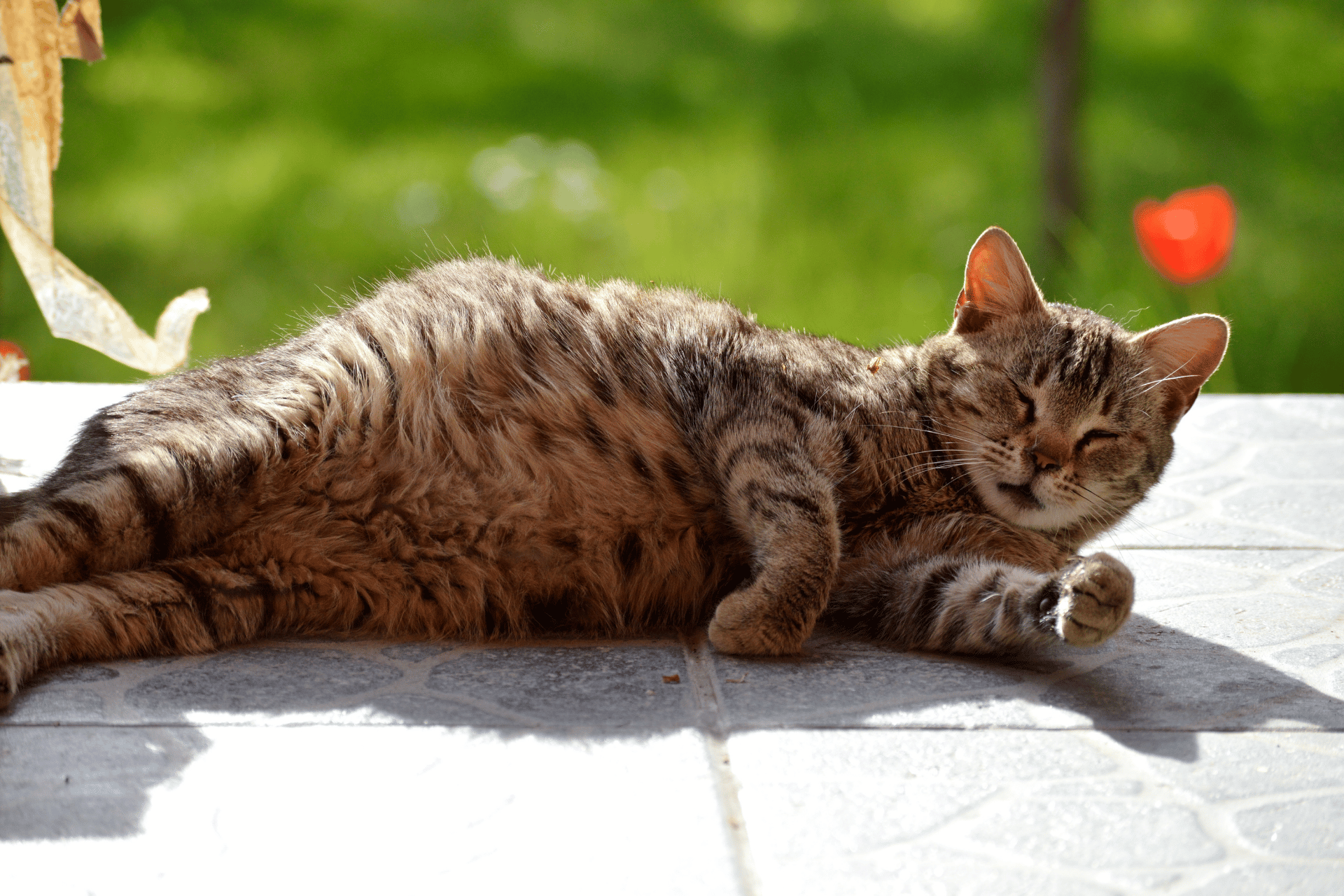
Cat Pregnancy Calculator
Calculate your cat's due date and get a week-by-week pregnancy timeline. Enter the mating date to prepare for kittening and plan kitten care.
Open PlannerTrack your kitten's growth and predict adult size using age and current weight. Includes a week-by-week growth chart and healthy development milestones.
Enter current age in weeks, current weight, and the closest option in Growth Calculator. Review the estimate together with the assumptions shown in the result.

Monitoring the growth of puppies and kittens in their first weeks and months is one of the most important interventions a breeder, foster, or new owner can perform. Failure to gain weight appropriately in the first week of life is the most reliable early warning sign of fading puppy or fading kitten syndrome, both of which are life-threatening if not addressed within hours. The Growth Calculator tracks daily weights and generates growth curves compared to expected neonatal growth rates, immediately flagging any deviation from normal progression.
Use the table below to compare Neonatal Puppy Growth Guidelines.
| Age | Expected Daily Gain | Concern Threshold | Emergency Threshold | Notes |
|---|---|---|---|---|
| Day 1 (birth weight) | Baseline established | Any loss from birth weight by Day 2 | Loss of more than 10% from birth weight | Weigh within first hour; record birth weight precisely |
| Days 1-7 | 5-10% of birth weight per day | No gain in 24 hours | Weight loss in 24 hours | Most critical window; interventions needed within 12-24 hours |
| Days 7-14 | Continued daily gain | Gain below 5% per day | Weight loss any day | Eyes begin opening Day 10-14; gaining steadily |
| Days 14-21 | Consistent gain; should double birth weight by Day 10-14 | Falling behind littermates | Significant weight loss | Begin offering puppy gruel at 3-4 weeks |
| Days 21-28 | Solid food introduction; continued rapid gain | Failure to gain with food introduction | Any weight loss | Weaning phase begins |
Use the table below to compare Neonatal Kitten Growth Guidelines.
| Age | Birth Weight | Daily Gain | Doubling Age | Notes |
|---|---|---|---|---|
| Average breed (domestic) | 85-115g | 10-15g per day | 7-10 days (should double) | Kittens below 75g at birth are high risk |
| Day 1-3 | 85-115g | 10g/day minimum | N/A | Any kitten losing weight needs supplemental feeding immediately |
| Week 2 | 200-250g target | Continue 10-15g/day | N/A | Eyes begin opening Day 7-10 |
| Week 3 | 300-400g target | Continue 10-15g/day | N/A | Begin offering gruel |
| Week 4 | 400-500g target | 15-20g/day | N/A | Active weaning |
Fading puppy/kitten syndrome describes neonates that are born apparently healthy but fail to thrive and die within the first 2-4 weeks. It accounts for approximately 20-30% of all neonatal deaths in puppies and a similar proportion in kittens. Causes include:
| Cause | Signs | Urgency |
|---|---|---|
| Inadequate milk intake / competition | Constant crying; not nursing; weight loss | Supplement with bottle feeding immediately |
| Hypothermia | Cold to the touch; cannot nurse | Warm gradually; environmental temperature 85-90F for neonates |
| Neonatal isoerythrolysis (blood type incompatibility) | Rapid anemia, yellow skin/gums, weakness | Emergency - remove from dam; bottle feed; vet immediately |
| Neonatal septicemia (bacterial infection) | Crying, not nursing, rapid decline | Emergency veterinary care; antibiotic treatment critical |
| Congenital defect (cleft palate, heart) | Milk from nose; failure to gain weight | Veterinary assessment; palate repair possible in some cases |
A loss of 5% or less from the previous day's weight that is recovered within 12-24 hours is borderline normal in a nursing neonate, especially if the queen has not yet had milk let-down. Any loss greater than 5%, any two consecutive readings without gain, or any absolute weight loss in a kitten under 3 weeks of age warrants supplemental feeding immediately and veterinary contact.
Use commercial kitten milk replacer (KMR for kittens, Esbilac for puppies). Never use cow's milk or human infant formula, which cause severe diarrhea and nutritional deficiency in neonatal carnivores. Feed at body temperature (around 100F/38C) and ensure gentle burping after each feed.
Note: Growth estimates vary by breed, sex, nutrition, and health, so trends over time are more useful than a single result.
Continue with Cat Pregnancy Calculator, Cat Weight Calculator (BMI), Cat Age Calculator for the next practical step.
Calculate your cat's due date and get a week-by-week pregnancy timeline. Enter the mating date to prepare for kittening and plan kitten care.
Open Planner
Check if your cat is a healthy weight using our BMI and body condition calculator. Includes breed-specific weight ranges and obesity health risk info.
Use Calculator
Convert your cat's age to human years with our accurate cat age calculator. Includes life stage milestones and health tips for kittens, adults, and seniors.
Use Converter