

Inbreeding Coefficient Calculator
Calculate the coefficient of inbreeding (COI) for dogs using pedigree data. Identify genetic diversity risks and make healthier breeding decisions.
Use CalculatorCheck genetic health compatibility between two dogs before breeding. Assess health test results and reduce the risk of heritable conditions in puppies.
Add the item, symptom, or label term you want to review in Matchmaker for Breeders, along with any timing or context you know. The result helps you organize the next question more clearly.

Responsible breeding requires more than selecting two dogs that look attractive together. Informed pairing decisions integrate health testing results, genetic diversity, temperament profiles, structural soundness, and pedigree analysis to produce litters with the best possible foundation for health and longevity. The Matchmaker for Breeders tool helps breeders evaluate potential pairings by assessing health clearance compatibility, estimated inbreeding coefficient, and complementary structural and temperament profiles.
Use the table below to compare The Foundation of a Responsible Breeding Program.
| Pillar | Requirements | Standards Body |
|---|---|---|
| Hip and joint health | OFA hip and elbow evaluation; BVA hip scoring for UK-registered breeds | OFA (US); BVA (UK); FCI (International) |
| Cardiac health | Cardiologist-performed auscultation annually for breeds at risk; echocardiogram for specific breeds (CKCS, Boxer, Doberman) | OFA cardiac registry; breed-specific protocols |
| Eye health | CAER (Canine Eye Registry Foundation) examination annually | OFA/CAER; ECVO for Europe |
| DNA genetic testing | Breed-specific panel testing for known mutations | Embark, Wisdom Panel, UC Davis, PennGen, Animal Genetics |
| Temperament | Breed-appropriate behavioral assessment; no known aggression history | AKC Canine Good Citizen; C-BARQ or equivalent; breed club requirements |
| Structure/conformation | Breed standard compliance; functional soundness evaluation | Breed-specific judge evaluation; working title in sporting breeds |
Use the table below to compare Health Testing Requirements by Popular Breed.
| Breed | Minimum Health Tests Required | Additional Recommended |
|---|---|---|
| Labrador Retriever | OFA hips, OFA elbows, CAER eyes, PRA DNA test | EIC DNA test, HNPK DNA, DM DNA |
| Golden Retriever | OFA hips, OFA elbows, CAER eyes, cardiac (cardiologist) | PRA DNA, Ichthyosis DNA, NCL DNA |
| German Shepherd | OFA hips, OFA elbows, cardiac | DM DNA test; temperament evaluation essential |
| Cavalier King Charles Spaniel | MVD cardiac (cardiologist) - MANDATORY, MRI for CM/SM | Breed-specific MVD breeding protocol strictly followed |
| Bulldog | Respiratory function test (BOAS assessment), eye examination | Hip evaluation; spine assessment |
| Dachshund | OFA patella; CAER eyes | Spine health assessment; disc disease risk |
| Border Collie | OFA hips, CEA/CH DNA test, TNS DNA test, MDR1 test | CL DNA, PRA DNA |
| Bernese Mountain Dog | OFA hips, OFA elbows, cardiac | DM DNA; cancer family history assessment |
Use the table below to compare Evaluating a Potential Pairing.
| Evaluation Criteria | Ideal | Acceptable | Avoid |
|---|---|---|---|
| Inbreeding coefficient (F) | Below 3% | 3-6% | Above 12.5% |
| Health test results | Both parents clear for all tested conditions | One parent carrier if other is clear (for recessive conditions) | Both parents affected or affected x carrier |
| Structural complement | Both parents structurally sound; different structural strengths to compensate weaknesses | Minor structural compromise if strong elsewhere | Both parents sharing same structural fault |
| Temperament compatibility | Both parents with excellent, breed-appropriate temperament | One parent with minor temperament reservation if other is exceptional | Any pairing involving known aggression history in either parent |
Use the table below to compare Understanding DNA Test Results for Breeding.
| Result | Meaning | Breeding Decision |
|---|---|---|
| Clear / Normal | Dog has two normal copies of the tested gene | Can be bred to any dog for that condition |
| Carrier / Het | Dog has one normal copy and one mutant copy | Can be bred to a 'Clear' dog safely; never breed two carriers together |
| Affected | Dog has two mutant copies | Should not be bred for conditions causing suffering; some benign carrier conditions differ |
No. Breeding two carriers of a simple autosomal recessive condition produces a statistically predicted 25% affected offspring per litter. Affected animals with serious diseases experience unnecessary suffering. Always breed at least one parent that is DNA-tested clear for any serious recessive condition.
A carrier of a recessive disease that is paired with a DNA-clear partner produces no affected offspring and is therefore ethically acceptable. Removing all carriers from a small breed gene pool would exacerbate inbreeding depression. The key is transparent disclosure of carrier status and responsible pairing.
Note: Breeding compatibility depends on health testing, pedigree, temperament, breed standards, and responsible planning.
Continue with Inbreeding Coefficient Calculator, Canine Pregnancy Calculator and Calendar, Dog Heat Cycle Calculator for the next practical step.
Calculate the coefficient of inbreeding (COI) for dogs using pedigree data. Identify genetic diversity risks and make healthier breeding decisions.
Use Calculator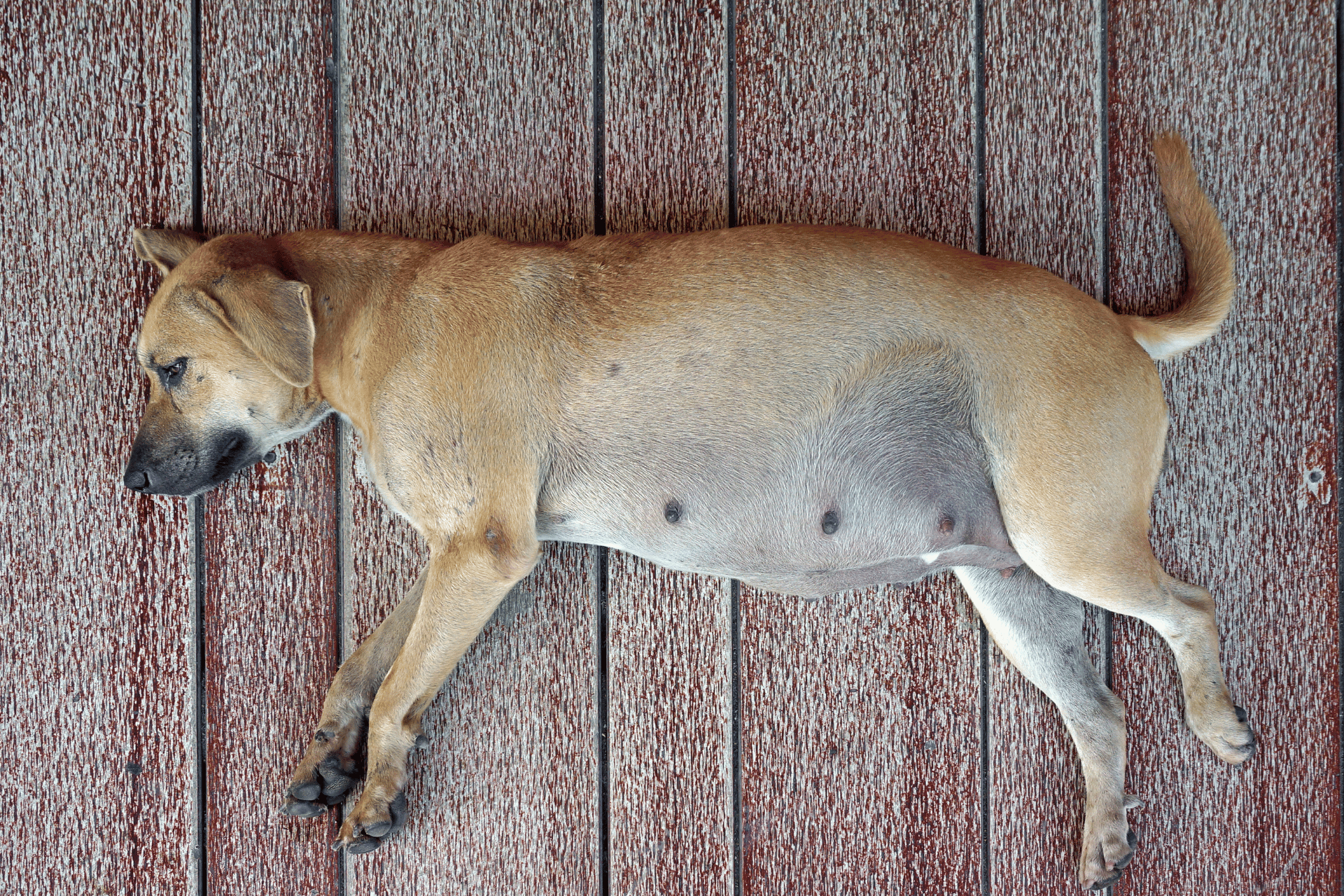
Calculate your dog's due date and get a week-by-week pregnancy timeline. Enter the breeding date to plan for whelping and puppy care.
Open Planner
Track your dog's heat cycle and find the optimal breeding window. Enter the start date to map all four estrus stages and plan accordingly.
Open Planner