
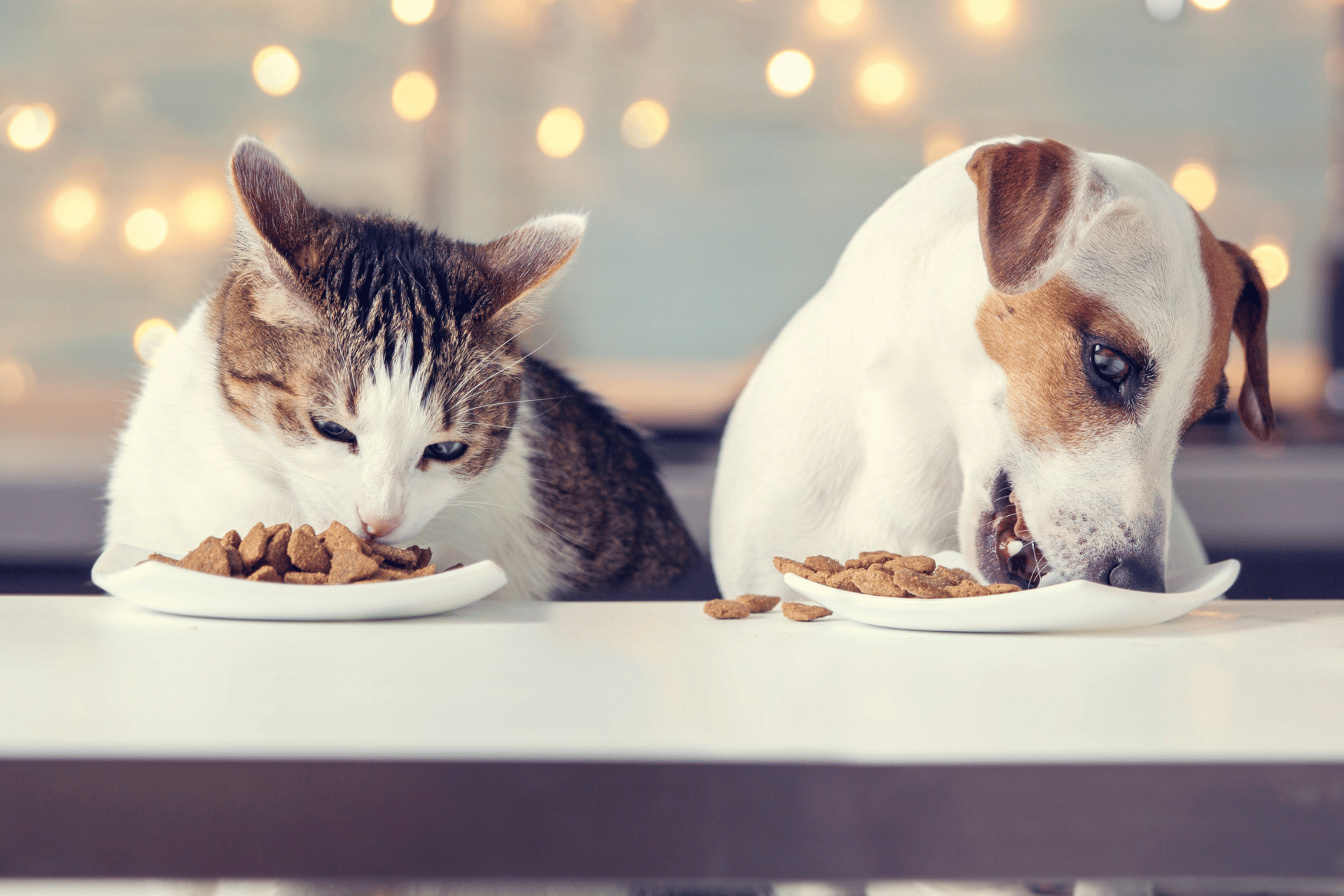
Dog & Cat Food Calculator: Your Pet Feeding Guide
Calculate the right daily food portion for your dog based on weight, age, and activity level. Supports dry, wet, and mixed feeding for accurate portions.
Use CalculatorCalculate the correct daily food portion for your cat based on weight, age, and activity. Covers both wet and dry food with accurate serving sizes.
Enter daily calorie target, wet food calories, and the closest option in Wet/Dry Cat Food Calculator. Review the estimate together with the assumptions shown in the result.

The wet vs. dry food debate for cats is one of the most common nutritional questions in feline medicine, and the scientific consensus has increasingly favored wet food as the primary dietary format for domestic cats. Understanding the caloric, hydration, and macronutrient differences between wet and dry cat food - and how to calculate correct portions of each, or a combination of both - helps cat owners make informed feeding decisions. The Wet/Dry Cat Food Calculator lets you determine how much of each food type to feed when using a mixed feeding approach.
Use the table below to compare Wet vs. Dry Cat Food: Key Differences.
| Feature | Wet / Canned Food | Dry Kibble | Winner for Cat Health |
|---|---|---|---|
| Moisture content | 70-85% | 6-10% | Wet - cats evolved from desert animals; low thirst drive; urinary health depends on dietary moisture |
| Protein content (DM basis) | 45-65% typical | 30-50% typical | Wet - generally higher protein on DM basis |
| Carbohydrate content (DM basis) | 5-20% typical | 25-50% typical | Wet - lower carbs; better suited to obligate carnivore metabolism |
| Calorie density | 85-100 kcal per 100g | 350-400 kcal per 100g | Equal per meal; wet requires larger volume |
| Dental benefit | None - wet food does not clean teeth | Minimal (some mechanical effect) | Neither significantly; dental cleaning is the only effective approach |
| Cost | Higher per calorie | Lower per calorie | Dry - significantly lower cost |
| Palatability | Higher for most cats | Lower - depends on ingredients | Wet - most cats prefer wet food |
| Weight management | Better - higher moisture = more satiety per calorie; harder to overeat | More calorie-dense - easier to overeat | Wet - associated with lower obesity rates |
To feed a combination of wet and dry, calculate each component's caloric contribution toward the daily MER:
Example: 4 kg neutered indoor cat - MER = 140 kcal/day
Decision: feed 50% calories from wet food, 50% from dry
Wet portion: 70 kcal / 90 kcal per 100g = 78g of wet food (about 3/4 of a 3oz can)
Dry portion: 70 kcal / 360 kcal per 100g = 19g of dry food (about 2 tablespoons)
| Cat Weight | MER (neutered indoor) | 100% Wet Food Amount | 100% Dry Food Amount | 50/50 Combination |
|---|---|---|---|---|
| 3 kg (6.6 lbs) | 112 kcal/day | ~125g wet food daily (about 1.5 x 3oz cans) | ~31g dry food daily (about 1/3 cup) | 63g wet + 16g dry |
| 4 kg (8.8 lbs) | 140 kcal/day | ~156g wet food daily (about 1.75 cans) | ~39g dry (about 1/3 cup) | 78g wet + 20g dry |
| 5 kg (11 lbs) | 167 kcal/day | ~186g wet food daily (about 2 cans) | ~46g dry (just under 1/2 cup) | 93g wet + 23g dry |
| 6 kg (13.2 lbs) | 193 kcal/day | ~215g wet food daily | ~54g dry (just over 1/2 cup) | 108g wet + 27g dry |
Use the table below to compare When to Prioritize Wet Food.
| Condition | Why Wet Food Priority | Target Wet Food % |
|---|---|---|
| Lower urinary tract disease (FIC, crystals, stones) | Increased urine volume dilutes irritants and reduces crystal concentration | 80-100% |
| Chronic kidney disease (CKD) | Maximum hydration is the most important single dietary intervention | 80-100% |
| Constipation | Dietary moisture reduces hard dry stools | 80-100% |
| Diabetes mellitus | Low-carbohydrate wet food reduces insulin requirements; dietary remission possible in some cats | 80-100% |
| Obesity weight loss program | Greater satiety per calorie; harder to overconsume | 70-100% |
| Anorexia or reduced appetite | Higher palatability encourages eating in sick or picky cats | 100% temporarily |
No. Wet food left at room temperature should be discarded after 30-60 minutes. Bacteria multiply rapidly in wet food at room temperature. Refrigerate any uneaten portion and offer at the next meal after warming slightly. This is a key practical challenge with wet feeding - it requires more meal management than free-choice dry feeding.
A cat that compensates by drinking more water is managing better than one that does not increase water intake, but dietary moisture from wet food still provides greater urinary health benefits than drinking equivalent water separately. Research by Buckley and colleagues found that cats consuming wet food still produced more dilute urine than cats consuming dry food plus equivalent water volume - suggesting dietary moisture is absorbed and utilized differently from drinking water.
Note: Use the calorie values on your cat's actual food label when possible, since products vary by recipe and brand.
Continue with Dog & Cat Food Calculator: Your Pet Feeding Guide, MER Calculator for Cats, Free Carbohydrate Calculator for Cat Food for the next practical step.
Calculate the right daily food portion for your dog based on weight, age, and activity level. Supports dry, wet, and mixed feeding for accurate portions.
Use Calculator
Calculate how many calories your cat needs each day. Based on weight, age, and activity level using the veterinary MER formula. Free and accurate.
Use Calculator
Calculate the carbohydrate content of any cat food using the guaranteed analysis. Convert to dry matter basis for accurate comparison across brands.
Use Calculator