

MER Calculator for Cats
Calculate how many calories your cat needs each day. Based on weight, age, and activity level using the veterinary MER formula. Free and accurate.
Use CalculatorCalculate the carbohydrate content of any cat food using the guaranteed analysis. Convert to dry matter basis for accurate comparison across brands.
Enter protein percentage, fat percentage, and the closest option in Free Carbohydrate Calculator for Cat Food. Review the estimate together with the assumptions shown in the result.
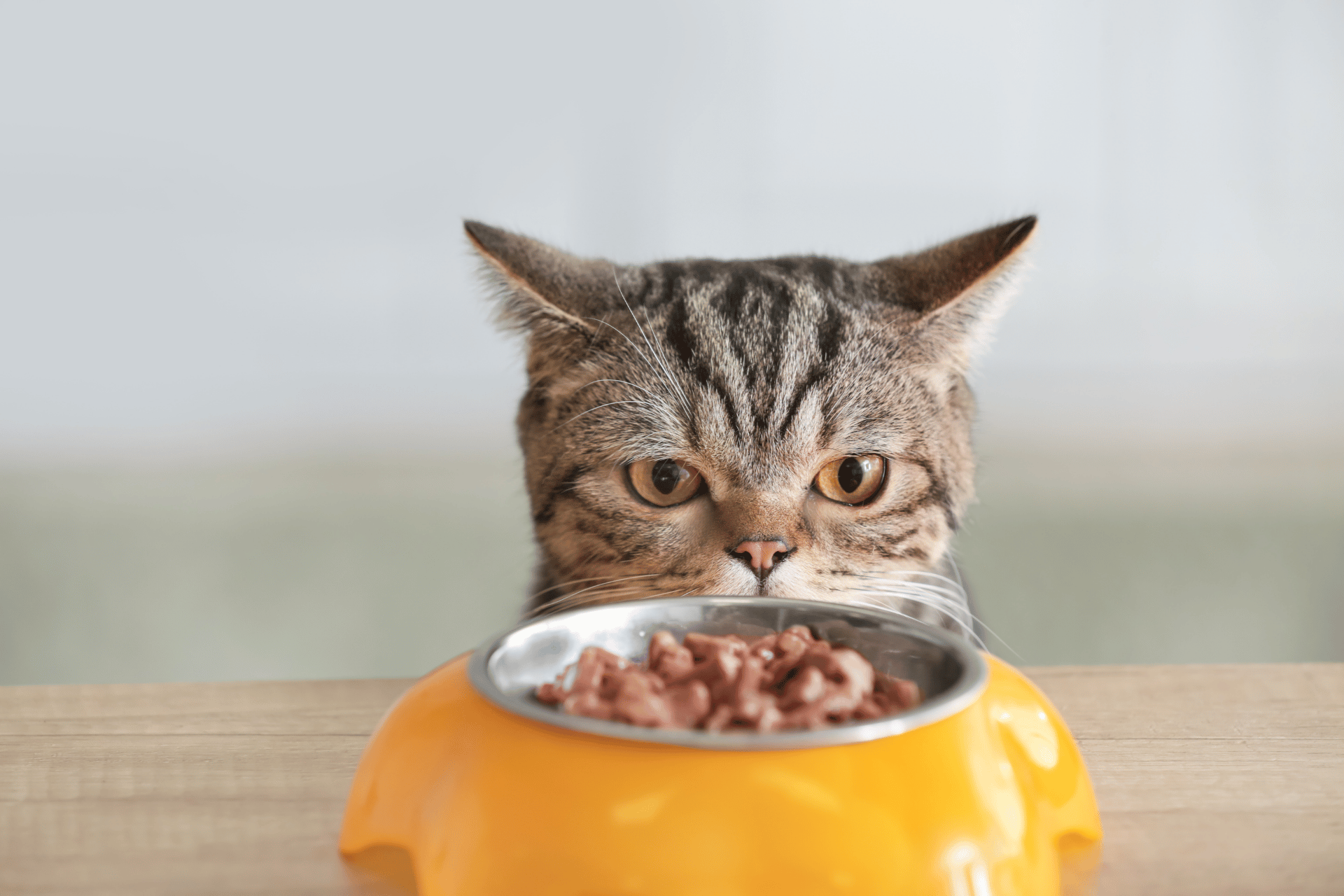
Cats are obligate carnivores with unique metabolic characteristics that set them apart from omnivores like dogs and humans. Unlike dogs, cats have limited ability to regulate carbohydrate metabolism, do not have a strong starch digestion enzyme (salivary amylase is absent), and are metabolically adapted to derive glucose from protein via gluconeogenesis rather than from dietary carbohydrates. Despite this, many commercial dry cat foods contain 25-50% carbohydrates on a dry matter basis. The Carbohydrate Calculator for Cat Food lets you calculate the true carbohydrate content of any cat food from its guaranteed analysis, so you can make informed dietary choices.
The guaranteed analysis on cat food labels is required to show minimum crude protein, minimum crude fat, maximum crude fiber, and maximum moisture. Carbohydrate content is not required to be listed and is typically absent from the label. It must be calculated by the owner or nutritionist using the formula for Nitrogen-Free Extract (NFE):
NFE (Carbohydrates) % = 100 - Moisture% - Crude Protein% - Crude Fat% - Crude Fiber% - Ash%
Note: If ash is not listed (common), use 6% as an estimate for most dry cat foods and 2% for most canned cat foods.
All nutrient comparisons between foods - especially between wet and dry - must be on a dry matter (DM) basis after removing moisture.
DM% = (nutrient as-fed% / (100 - moisture%)) x 100
Example: A dry cat food with 10% moisture and 12% NFE as-fed: DM NFE% = (12 / 90) x 100 = 13.3%
Example: A wet cat food with 78% moisture and 3% NFE as-fed: DM NFE% = (3 / 22) x 100 = 13.6%
As this example shows, when normalized to DM basis, wet and dry foods often have similar carbohydrate percentages despite looking very different on the as-fed label.
Use the table below to compare Carbohydrate Content of Common Cat Food Types.
| Food Type | Typical NFE as-fed % | Typical NFE DM % | Notes |
|---|---|---|---|
| Premium dry kibble (grain-inclusive) | 20-35% | 24-40% | Grain provides starch; higher carb than wet food |
| Grain-free dry kibble | 15-30% | 18-34% | Legumes replace grain; carbs reduced but not eliminated |
| Standard wet/canned (pate) | 1-8% | 5-38% | Varies enormously; check individual products |
| Premium wet (high-protein) | 1-5% | 4-22% | Better option for low-carb feeding |
| Raw frozen/freeze-dried | 0-5% | 3-15% | Generally lower carbs; varied by formulation |
| Prescription dental diet (dry) | 25-40% | 28-44% | High starch for mechanical cleaning action |
Use the table below to compare Carbohydrate Targets for Cats.
| Cat Type | Recommended Maximum DM Carbohydrate | Rationale |
|---|---|---|
| Healthy adult cat, average activity | Below 25% DM | No biological requirement; cats inefficiently metabolize excess carbs |
| Overweight or obese cat | Below 15% DM | High-carb diets associated with increased obesity and insulin resistance in cats |
| Diabetic cat | Below 10% DM (ideally below 5%) | Low-carb diets can achieve diabetic remission in cats; well-supported in literature |
| Cats with IBD (inflammatory bowel disease) | Varies; often below 20% DM with novel protein | Highly digestible, low-starch diets reduce GI irritation |
High-carbohydrate dry food diets are associated with increased obesity rates in cats, and obesity is the primary risk factor for feline diabetes mellitus. Whether carbohydrates directly cause diabetes independent of their caloric contribution to obesity is not fully established, but the clinical evidence strongly supports feeding low-carbohydrate, high-protein diets to obese and diabetic cats.
No. All food transitions should be gradual over 7-10 days to avoid gastrointestinal upset and food refusal (cats can be very resistant to dietary change). For diabetic cats, dietary changes require close veterinary monitoring and insulin dose adjustments, as blood glucose will change with diet composition changes.
Note: Carbohydrate estimates depend on label values and formula assumptions. For cats with medical needs, discuss diet changes with a veterinarian.
Continue with MER Calculator for Cats, Wet/Dry Cat Food Calculator, Dog Food and Cat Food Comparison Tool for the next practical step.
Calculate how many calories your cat needs each day. Based on weight, age, and activity level using the veterinary MER formula. Free and accurate.
Use Calculator
Calculate the correct daily food portion for your cat based on weight, age, and activity. Covers both wet and dry food with accurate serving sizes.
Use Calculator
Compare pet food brands side by side on protein, fat, calories, and ingredients. Find the best value and nutrition for your dog or cat.
Compare Options