
Hamster Age Calculator
Find out how old your hamster is in human years. Includes a complete age conversion chart and tips for caring for senior hamsters.
Use ConverterConvert your horse's age to human years and explore life stage milestones. Includes a full horse-to-human age chart and senior horse care tips.
Enter the details requested in Horse Age Calculator, then review the estimate as a practical starting point for the decision you are making.
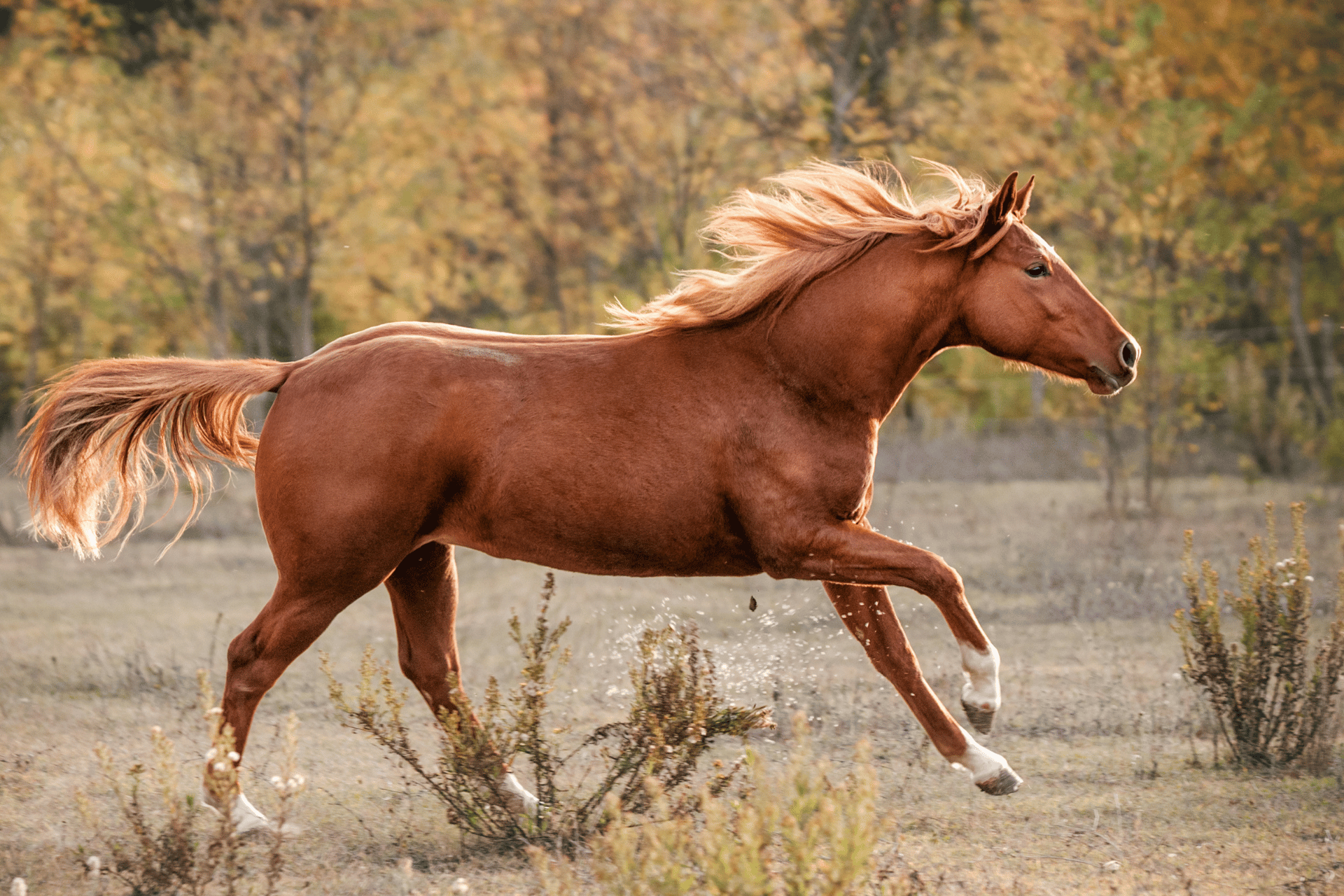
Horses live significantly longer than most people expect, with a typical lifespan of 25-30 years for domestic horses and ponies often reaching 30-35 years. The Horse Age Calculator converts your horse's actual age to a human equivalent, helping you understand their life stage, recognize age-related health needs, and provide stage-appropriate nutrition and veterinary care. Unlike many species, horses age at a rate that varies with their use, fitness level, genetics, and care quality, making the age calculator a starting point rather than a definitive assessment.
Use the table below to compare Horse Age to Human Years Conversion.
| Horse Age | Human Equivalent | Life Stage | Key Care Milestones |
|---|---|---|---|
| 1 year | ~6-7 years | Foal/Yearling | Weaned; beginning handling and basic groundwork; growth plate vulnerability |
| 2 years | ~13 years | Adolescent | Some light work acceptable; growth plates not fully closed in all areas |
| 3 years | ~18 years | Young adult | Training for most disciplines begins; growth plates close in most areas by 2.5 years |
| 5 years | ~23 years | Prime adult | Full physical maturity; peak athletic potential |
| 10 years | ~35 years | Mature adult | Experienced; peak competition years for many breeds |
| 15 years | ~50 years | Mature/Senior | Metabolic changes beginning; dental care critical |
| 18 years | ~60 years | Senior | PPID (Cushing's disease) risk increases; dental disease common |
| 20 years | ~65 years | Senior | Active management of age-related conditions; may still be in light work |
| 25 years | ~78 years | Elderly | Most horses semi-retired or retired; comfort care focus |
| 30 years | ~90 years | Geriatric | Exceptional - excellent examples of care quality; significant management needs |
Use the table below to compare Common Age-Related Conditions in Horses.
| Condition | Typical Onset | Prevalence | Management |
|---|---|---|---|
| PPID (Equine Cushing's Disease) | 15+ years | ~21% of horses over 15 | Pergolide mesylate (Prascend); diet management; regular ACTH testing |
| Equine Metabolic Syndrome (EMS) | Any age; common in middle age | Common in overweight easy keepers | Low-sugar diet; restricted grass access; exercise |
| Dental disease / wave mouth | 8+ years; accelerates past 15 | Nearly universal in senior horses | Dental floating (rasping) every 1-2 years minimum; senior dental exam biannually |
| Arthritis | 8-10+ years | Very common in competitive horses | Joint supplements, NSAIDs; controlled exercise; joint injection |
| Laminitis | Any age; higher in EMS/PPID horses | Common | Emergency and preventive hoof care; diet management |
Use the table below to compare Feeding Senior Horses.
| Nutritional Need | Senior Horse Requirement | Recommended Products |
|---|---|---|
| Caloric density | Often need more calories due to reduced gut efficiency | Senior feeds; beet pulp; alfalfa hay |
| Protein quality | High-quality protein to maintain muscle mass | Soybean meal; alfalfa; senior concentrate with elevated lysine |
| Fiber source | Easy-to-chew fiber for horses with dental disease | Soaked hay cubes; hay pellets; soaked senior feed |
| Dental consideration | Horses with poor dentition cannot chew long-stem hay | Hay chaff; soaked cubes; complete senior feeds as hay substitute |
| Water access | Ensure warm water in winter; dental pain can reduce water intake | Tank heaters in winter; flavored water for reluctant drinkers |
There is no universal age. Many horses are ridden comfortably into their mid-20s with appropriate workload adjustments. The key is monitoring for signs of joint pain, muscle loss (especially topline), exercise intolerance, and behavioral changes indicating discomfort. Regular veterinary soundness evaluations help guide retirement decisions based on the individual horse.
Horses' teeth grow continuously and develop sharp edges and uneven wear patterns that cause pain during chewing and bit contact. Floating is the process of filing these sharp points smooth with a rasp (or power float). Most horses need floating every 1-2 years. Senior horses with dental disease may need more frequent dental care and diet modification to compensate for reduced chewing efficiency.
Note: Horse age comparisons are general because breed, workload, care, and health affect ageing.
Continue with Hamster Age Calculator, Rabbit Age Calculator, Bird Age Calculator for the next practical step.
Find out how old your hamster is in human years. Includes a complete age conversion chart and tips for caring for senior hamsters.
Use Converter
Convert your rabbit's age to human years and learn about life stage milestones. Includes a complete rabbit-to-human age conversion chart.
Use Converter
Convert your bird's age to human years with species-specific results. Includes parrots, canaries, cockatiels, and more with a full age chart.
Use Converter