

Hamster Age Calculator
Find out how old your hamster is in human years. Includes a complete age conversion chart and tips for caring for senior hamsters.
Use ConverterConvert your rabbit's age to human years and learn about life stage milestones. Includes a complete rabbit-to-human age conversion chart.
Enter the details requested in Rabbit Age Calculator, then review the estimate as a practical starting point for the decision you are making.

Rabbits are the third most popular pet mammal in the US yet remain among the most misunderstood in terms of their biology, lifespan, and care needs. Domesticated rabbits live significantly longer than wild rabbits - typically 8-12 years with proper care - and pass through distinct life stages with different health and nutritional needs. The Rabbit Age Calculator converts your rabbit's actual age to a human equivalent, helping you identify their life stage and understand what veterinary care, diet, and environmental needs are appropriate.
Use the table below to compare Rabbit Age to Human Years.
| Rabbit Age | Human Equivalent | Life Stage | Key Care Focus |
|---|---|---|---|
| 2 months | ~14 years | Juvenile | Weaning complete; socialization critical; do not separate bonded pairs |
| 4 months | ~18 years | Adolescent | Sexual maturity in females; mounting and territorial behaviors in males |
| 6 months | ~23 years | Young adult | Spay/neuter ideally completed; full-size for most breeds |
| 1 year | ~30 years | Adult | Prime; full behavioral development; dental monitoring begins |
| 2 years | ~40 years | Adult | Continued prime; GI disease risk monitoring; annual vet exams |
| 4 years | ~55 years | Middle age | Dental disease common; uterine cancer risk rising in unspayed females |
| 6 years | ~68 years | Senior | Semi-annual vet exams recommended; arthritis, dental disease, tumors |
| 8 years | ~80 years | Elderly | Geriatric care; quality of life focus; pain management |
| 10+ years | ~90+ years | Geriatric | Exceptional longevity; comfort and palliative care emphasis |
Use the table below to compare Common Health Problems by Life Stage.
| Condition | Typical Age | Prevalence | Prevention / Management |
|---|---|---|---|
| GI stasis (gut slowdown) | Any age; more common in adults | Very common - leading cause of rabbit death | Unlimited hay (80% of diet); daily exercise; stress management; immediate vet if gut not moving |
| Dental disease (malocclusion, spurs) | 2+ years, accelerating with age | Extremely common - affects most rabbits over 3 | Unlimited hay provides mechanical dental wear; annual dental checks from age 2 |
| Uterine adenocarcinoma | Unspayed females over 3 years | Up to 80% of unspayed does over 5 years | Spay before age 2 is the most effective prevention |
| E. cuniculi (parasitic brain disease) | Any age; often subclinical until stress | Very common carrier status; 40-70% seroprevalence | Fenbendazole treatment; maintain low-stress environment |
| Head tilt (vestibular disease) | Any age; more common in middle age | Reasonably common | Veterinary diagnosis needed; E. cuniculi vs. ear disease; treatment often effective |
| Sore hocks (pododermatitis) | Adults housed on hard/wire floors | Common in obese or sedentary rabbits | Soft, clean bedding; healthy weight; regular exercise |
Use the table below to compare Rabbit Nutrition Essentials.
| Food Type | Daily Amount | Importance | Notes |
|---|---|---|---|
| Timothy hay or other grass hay | Unlimited - should be 80% of diet | Critical: GI motility, dental wear, fiber | Never restrict hay; always available; fresh daily |
| Fresh leafy greens | 1 packed cup per 2 lbs body weight | Important: hydration, micronutrients | Romaine, kale, arugula, cilantro; introduce new greens slowly |
| Pellets (timothy-based, no seeds/fruit) | 1/4 cup per 5 lbs body weight (adults) | Supplementary only | Should not be the primary food; reduce in overweight rabbits |
| Fresh water | Unlimited | Critical | Bowl preferred over bottle for natural drinking posture |
| Treats (fruits, root vegetables) | 1-2 tsp maximum per day | Minimal | High sugar; excess causes GI and dental disease |
Absolutely. Rabbits are prey animals that hide illness until critically unwell. Annual veterinary exams (or biannual for seniors) from a rabbit-savvy exotic vet are essential. GI stasis can kill a rabbit within 24-48 hours. Finding a vet with rabbit experience before you need emergency care is one of the most important things a rabbit owner can do.
Yes. Spaying females eliminates the 80% uterine cancer risk and prevents false pregnancies and hormonally-driven aggression. Neutering males reduces territorial spraying, mounting, and aggression. Spay/neuter also facilitates successful bonding of rabbit pairs. The recommended age is 4-6 months (after sexual maturity) for males and 4-6 months for females.
Note: Rabbit age comparisons are general estimates because breed, size, care, and health affect ageing.
Continue with Hamster Age Calculator, Horse Age Calculator, Bird Age Calculator for the next practical step.
Find out how old your hamster is in human years. Includes a complete age conversion chart and tips for caring for senior hamsters.
Use Converter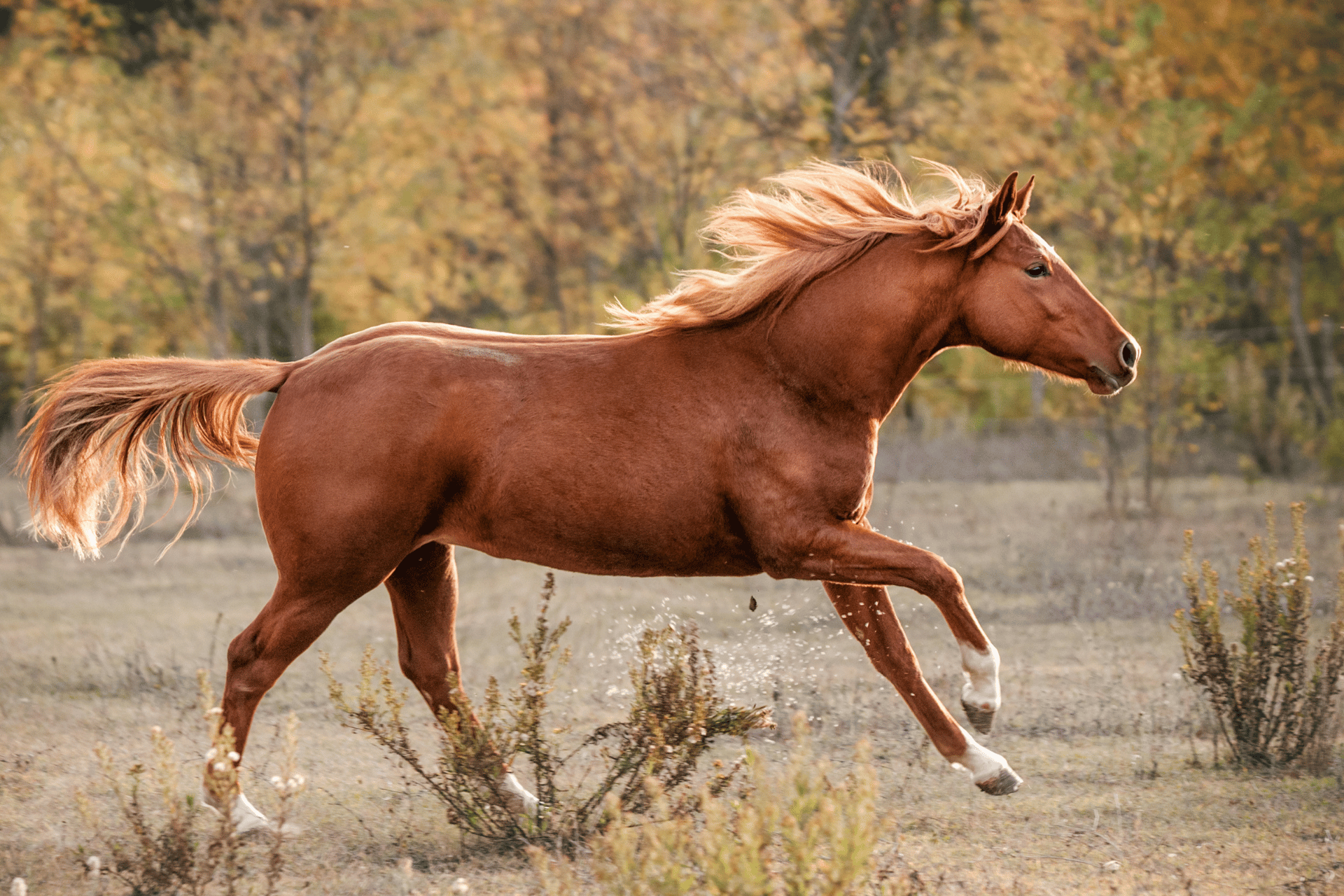
Convert your horse's age to human years and explore life stage milestones. Includes a full horse-to-human age chart and senior horse care tips.
Use Converter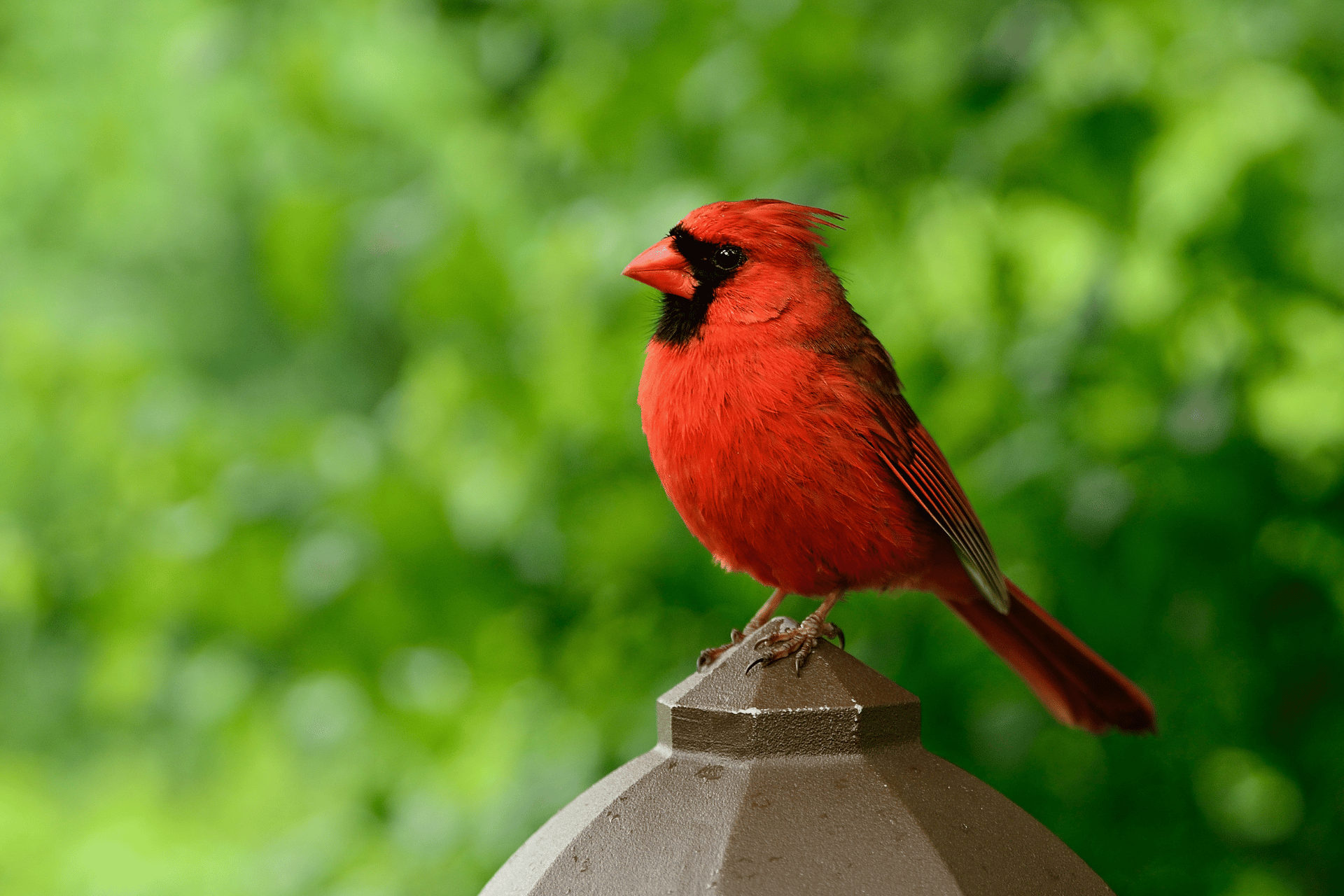
Convert your bird's age to human years with species-specific results. Includes parrots, canaries, cockatiels, and more with a full age chart.
Use Converter